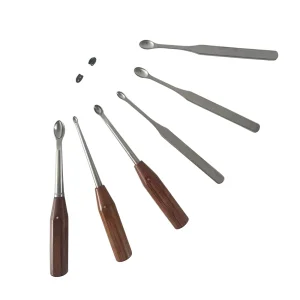
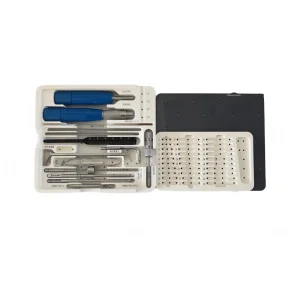
Browse our top-tier surgical components, engineered to meet strict international standards (CE & ISO 13485) for hybrid operating suites and imaging-guided clinical setups.
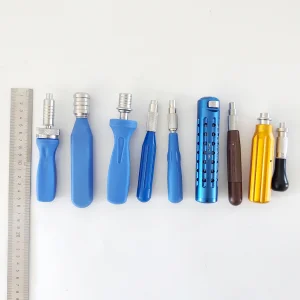
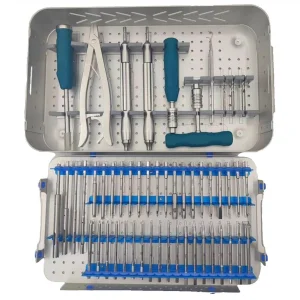
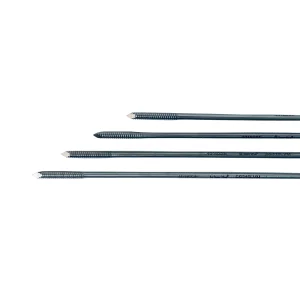
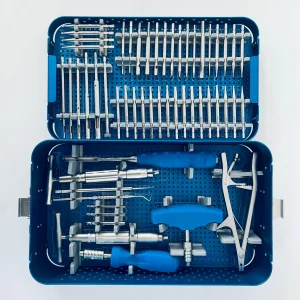
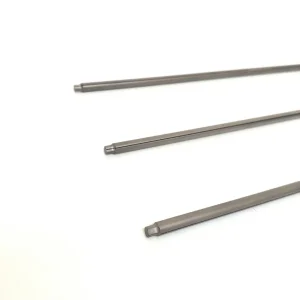
The global medical device sector is undergoing a massive convergence where diagnostic imaging systems and active intraoperative surgical instrumentation function as unified therapeutic ecosystems. Clinicians no longer view medical imaging (such as C-arms, CT scanners, MRI, and high-definition endoscopes) as separate from surgical interventions. In instead, real-time image-guided surgery (IGS) drives requirements for structural orthopedic implants, spinal instrumentation, and orthopedic surgical tools.
Currently, the global medical imaging market is valued at over USD 40 billion, with a steady CAGR of 5.8% anticipated through 2030. Concurrently, the global orthopedic and trauma surgery instrumentation market is scaling at similar speeds. This joint growth requires manufacturers to provide CE certified solutions that ensure patient safety, minimize imaging artifacts (such as metal shadows on fluoroscopy), and maintain mechanical stability under high mechanical loads.
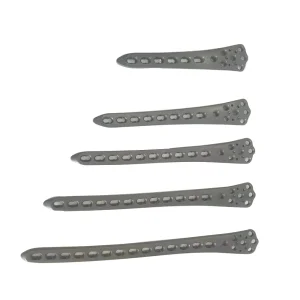
Next-generation titanium and high-grade stainless steel implants engineered specifically to minimize starburst artifacts under CT and fluoroscopic scans during real-time placement verification.
Fully compliant with GB/T42061-2022 and international ISO 13485:2016 standards, ensuring that every batch of trauma implants or instrument guides meets rigorous EU CE MDR audits.
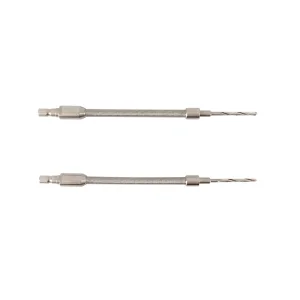
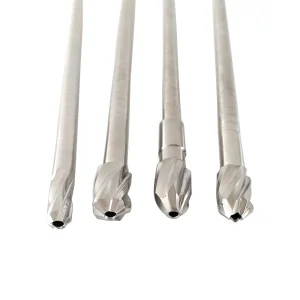
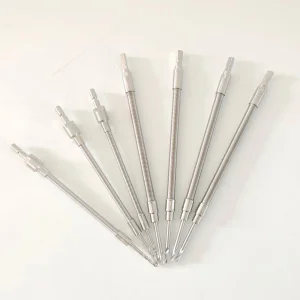
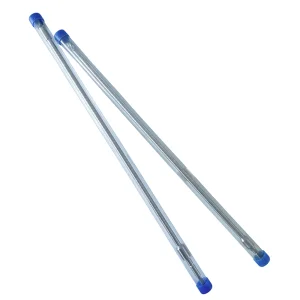
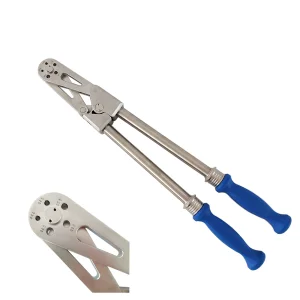
Surgical instruments, such as flexible orthopedic reamers and torque wrench handles, designed to align with intraoperative imaging coordinates for maximum spinal fixation accuracy.
As a dedicated global partner in medical technology, Shenzhen HUL Healthcare Technology Co., Ltd. (operating as Bopull Medical) runs a highly integrated system certified to ISO 13485:2016 standards. By combining advanced sourcing, design optimization, and strict regulatory adherence, we deliver high-performance surgical and diagnostic assistance tools globally.
Bopull Medical operates in strict accordance with local medical laws, regulations, and international standard management practices. The company has passed the GB/T42061-2022 idt ISO13485:2016 quality management system international standard certification. Focused on solving complex technical challenges for our global clients, we continuous invest in advanced manufacturing and testing equipment. Our young, enterprising, and innovative engineering teams exhibit deep expertise in product design, micro-manufacturing, and stringent quality control.
The clinical shift toward Minimally Invasive Surgery (MIS) has fundamentally transformed the requirements for surgical instrumentation. Traditional blind manual screw insertion has been replaced by navigated spine surgery and intraoperative C-arm validation. In this modern context, instrument and implant design must align with precise technological guidelines.
Traditional stainless steel surgical retractors cause significant imaging artifacts under fluoroscopy. The industry is actively shifting toward carbon fiber materials, PEEK, and specialized anodized titanium alloys that provide clear imaging windows, allowing surgeons to verify spinal alignment without moving structural hardware.
Surgical instruments are increasingly integrated with optical tracking arrays and electromagnetic navigation sensors. Tools such as torque-limiting screwdrivers, flexible reamers, and spinal retractors are physically matched to digital imaging systems, allowing real-time, software-tracked navigation on the patient's 3D CT model.
The future lies in robotic surgical arms navigating implant pathways. Bopull Medical is designing orthopedic surgical instruments with standardized mechanical connectors to fit seamlessly with computerized robotic end-effectors, supporting micro-millimeter precision in implant delivery.
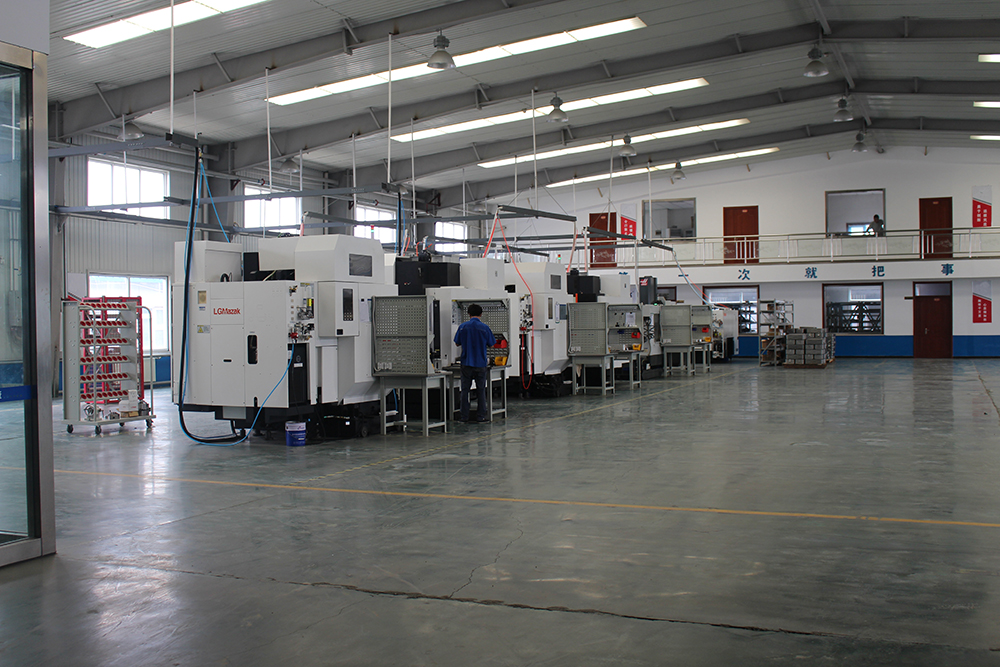
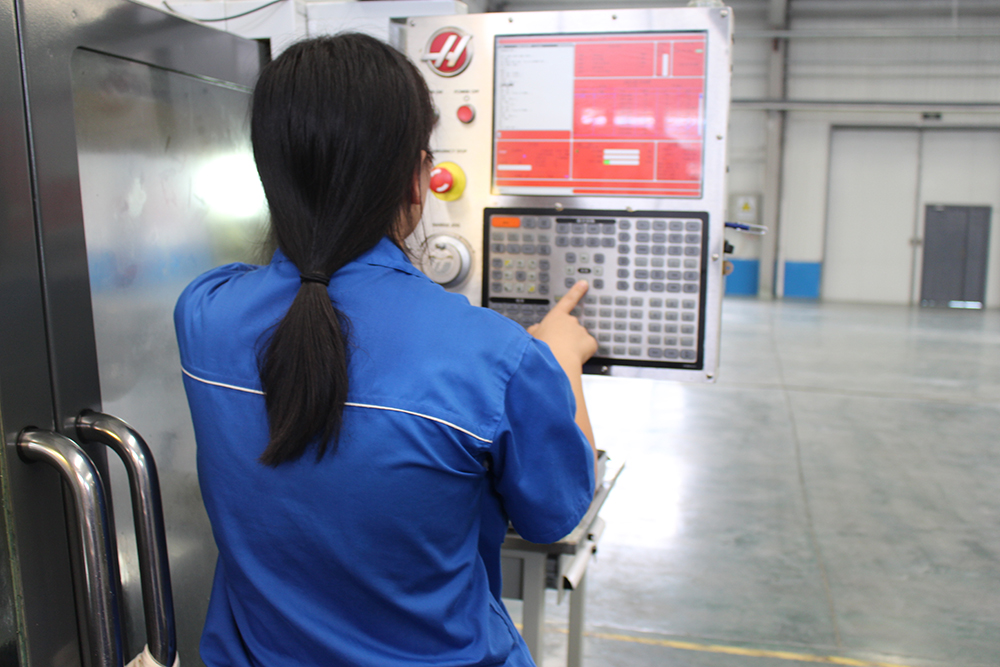
To understand the practical value of CE certified orthopedic instrumentation, we must look at modern medical operations. Below are three key clinical applications where HUL Healthcare/Bopull products directly improve surgical workflow and procedural safety.
During transforaminal lumbar interbody fusion (TLIF) or posterior cervical procedures, surgeons rely on clear visibility. The Bopull LED Cold Minimal Invasive Spine Instruments Set uses integrated cold LED illumination directly inside a stainless steel manual tubular retractor. This eliminates external light shadows while allowing intraoperative C-arm fluoroscopy to capture clear, uninhibited AP and lateral images of the spine, ensuring correct pedicle screw placement.
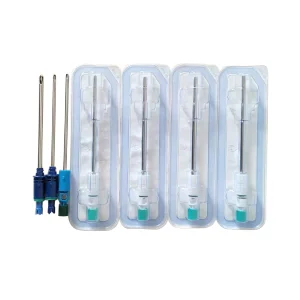
Stable internal fixation requires implants that align with anatomical contours. When using orthopedic implants like the Straight Rod for Spinal Surgical Medical Pedicle Screws or Distal Femoral Locking Plates, intraoperative imaging checks the bone-to-plate interface. High-precision cannulated screw instrumentation ensures that the guide wire aligns perfectly with the longitudinal axis, preventing cortical blowout.
Veterinary orthopedics has adopted human-grade standards. Advanced procedures utilize Veterinary Syringes with Lateral Distal Femoral Locking Plates and veterinary-specific shaver blades. Pre-operative and post-operative digital radiography (DR) ensures exact alignment in canine and feline osteotomies, utilizing instruments designed to reduce mechanical failure risks.
Answering key regulatory, structural, and material science questions for hospital procurement managers and medical device distributors.
Explore our advanced surgical reaming systems and high-precision drills, designed to support clean osteotomies and exact placement of intramedullary implants.
 HUL Healthcare Limited