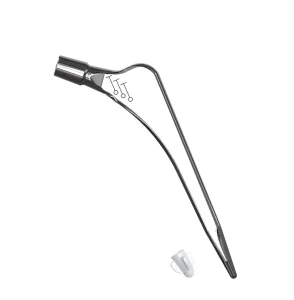
Clinical-grade manufacturing compliant with ISO 13485:2016. High-purity bio-ceramics, titanium alloys, and precision instrumentation.
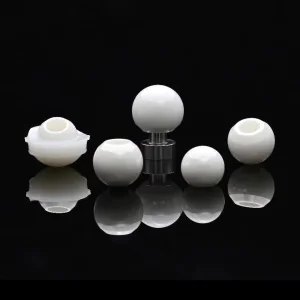
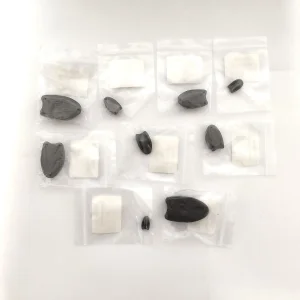
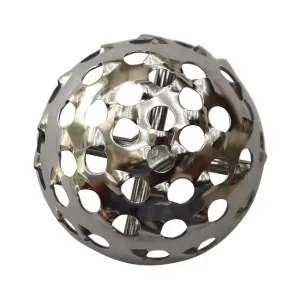
Shenzhen HUL Healthcare Technology Co., Ltd. (operating as Bopull Medical) runs its operations and production systems in strict compliance with international medical device laws, regulations, and industry standards. We have obtained the GB/T42061-2022 idt ISO13485:2016 quality management system international certification, demonstrating our capabilities in manufacturing safety-critical implantable devices.
Our core business revolves around resolving technical issues for orthopedic surgeons, veterinary practitioners, and medical device distributors. By introducing state-of-the-art multi-axis CNC machinery, high-precision surface finish processing technology, and bio-testing labs, Bopull Medical delivers orthopedic solutions that consistently exceed customer and clinical expectations.
| Official Company Name | Shenzhen HUL Healthcare Technology Co., Ltd. (Bopull Medical) |
| Primary Quality Standards | GB/T42061-2022 / ISO13485:2016 |
| Annual Production Revenue | US$1 Million - US$2.5 Million |
| Geographic Location | Beijing & Shenzhen, China |
| Business Model | Custom OEM/ODM & Specialized Trading Partner |
Bridging the gap between clinical challenges, biomechanical design, and large-scale industrial manufacturing.
We utilize medical-grade Cobalt-Chromium-Molybdenum (CoCrMo) alloys, titanium alloys (Ti6Al4V ELI), and premium ceramic formulations (BIOLOX-grade equivalents) to optimize wear properties and prevent osteolysis.
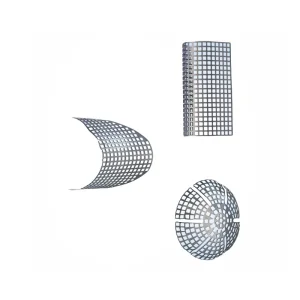
Developing and machining porous structures, trabecular metal mimics, and customized revision components that enable secondary fixation and reliable biological attachment in bone-deficient patients.
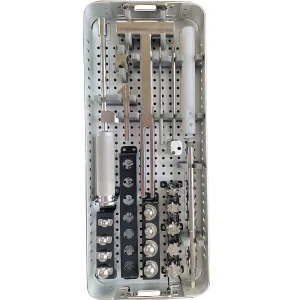
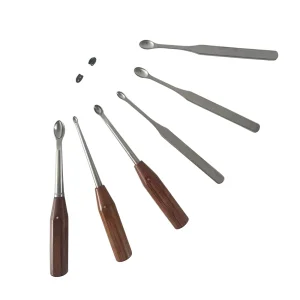
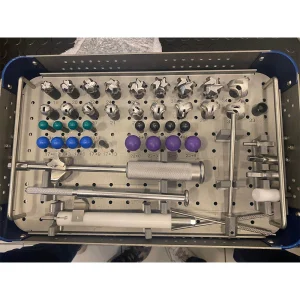
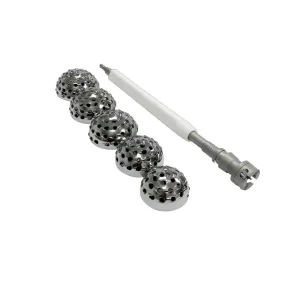
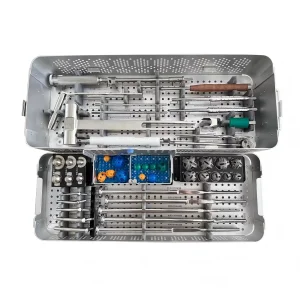
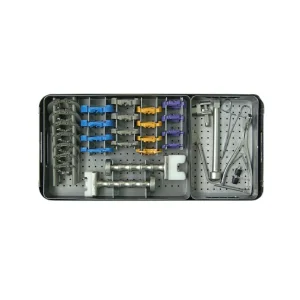
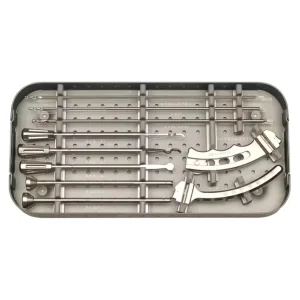
Producing precision instrument sets alongside orthopedic implants. Fully customized acetabular reamers, trial heads, bone drills, and patellar groove system kits match component parameters exactly.
In modern healthcare systems, the lifespan of a joint prosthesis is highly dependent on mechanical design, manufacturing accuracy, and surface properties. Early implant failures often result from wear debris, poor initial stability, or mismatching instrumentations during the surgical procedure. Our macro-level solutions focus on addressing these clinical risks at their source: in our ISO-regulated manufacturing facilities.
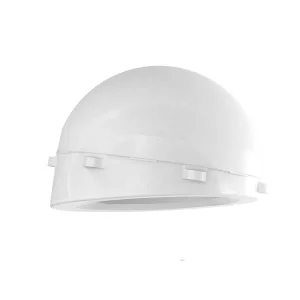
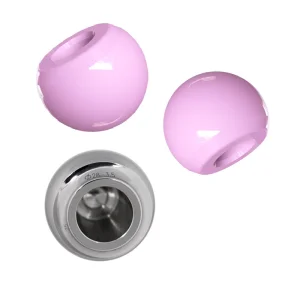
By executing strict quality controls over materials procurement, CNC tool calibration, and finishing, we eliminate micro-imperfections on articulating surfaces. For example, our ceramic femoral head systems are finished to nanometer-scale tolerances to achieve fluid-film lubrication, significantly lowering friction against Ultra-High-Molecular-Weight Polyethylene (UHMWPE) liners. In tandem, our specialized acetabular reaming systems ensure bone bed preparation matches implant curvature perfectly, promoting rapid osseointegration.
The metallurgical engineering and structural design behind long-lasting articular reconstructions.
Our titanium alloy mesh implants and femoral stems utilize advanced structural designs that match the elasticity modulus of human trabecular bone. This design strategy minimizes "stress shielding," a major cause of post-operative bone resorption and implant loosening. To enhance biological fixation, we offer several proprietary surface treatments:
Choosing the correct sliding couple is critical to implant longevity. Our production lines fabricate both CoCrMo alloy heads and advanced composite ceramics. While CoCrMo remains the industry workhorse due to its high yield strength and fracture toughness, bio-ceramics offer superior wear performance. Our quality control department uses advanced interferometry to measure surface roughness (Ra) down to less than 2 nm, ensuring minimal coefficient of friction and negligible volumetric wear over millions of loading cycles.
Before any implant design leaves our engineering department, it undergoes rigorous biomechanical validation. Utilizing Finite Element Analysis (FEA), we simulate physiological load distributions during dynamic actions such as walking, stair-climbing, and stumbling. Fatigue tests are performed up to 10 million cycles under loads simulating up to 5-times bodyweight. This ensures that every stem, cup, and instrumentation kit exported by Bopull Medical withstands real-world stress limits.
| Implant Material Type | Young's Modulus (GPa) | Primary Clinical Application | Key Manufacturing Tolerance Required |
|---|---|---|---|
| Ti6Al4V ELI (Grade 23) | 110 - 114 | Cementless Femoral Stems, Acetabular Shells, Porous Mesh | Dimensional accuracy: ±0.01mm, Surface Ra: <0.8µm |
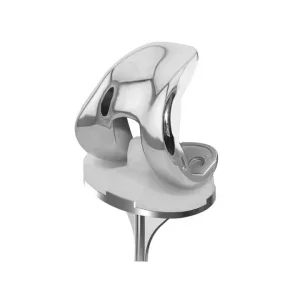
| CoCrMo (ISO 5832-12) | 210 - 240 | Cemented Femoral Stems, Femoral Heads, Knee Condyles | Roundness: <0.5µm, Articular Surface Ra: <0.01µm |
| Alumina/Zirconia Ceramics | ~380 | High-performance Femoral Heads, Modular Liners | Sphericity: <0.2µm, Polish Finish Ra: <2nm |
| UHMWPE / Cross-linked PE | 1 - 1.5 | Acetabular Liners, Patellar Caps, Tibial Inserts | Sterilization validation under gamma irradiation / EO gas |
Tailoring implant properties to unique physiological needs, from human clinics to specialized veterinary applications.
Human joint replacements require high biocompatibility, anatomical conformity, and long fatigue life. Our primary knee replacements (TKA/TKR) and total hip systems (THR) are designed to replicate natural biomechanics. Stems are available in both cemented and cementless variations to match diverse patient bone densities. Special attention is paid to anatomical angles, providing multiple neck offset options to restore natural joint geometry, reduce muscle fatigue, and prevent post-op dislocation.
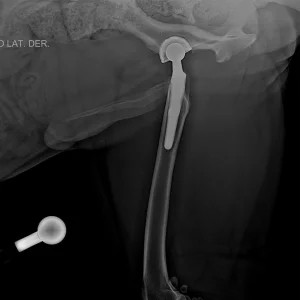
Animals present unique challenges to implant design, including higher activity levels and faster healing responses. Our veterinary hip prosthesis and instrumentation sets (ranging from size 4# to 10#) are engineered for canine and feline patients. These systems require specialized micro-instrumentation, such as dedicated acetabular reamers and placement guides. Veterinary implants must handle high shear stresses caused by quadrupedal locomotion, necessitating high-toughness stainless steel and specialized titanium options.
By offering a comprehensive array of instrumentation kits (like the PGR System Instrument Set for Patellar Groove Replacement and the Veterinary Hip Joint Replacement Instrument Set), we enable surgical teams to operate efficiently. These sets minimize intraoperative adjustment times, reduce surgical complications, and ensure predictable, repeatable clinical outcomes.
How we maintain traceability, manage international regulatory approvals, and ensure prompt delivery.
Our facility operates under a certified quality management system specifically for medical devices. Every production run is documented, ensuring raw material traceability and manufacturing transparency.
We assist buyers with local registration dossiers, technical documents, and biocompatibility studies, streamlining registration processes with international health agencies.
With an in-house engineering team, we can modify dimensions, design customized instrumentation, and manufacture small-batch custom implants to meet specialized clinical demands.
Our global supply chain operates with standard shipping procedures that preserve package sterility. Double-barrier blister packs and heavy-duty protective outer casing prevent transport damage. We cooperate with leading logistics networks to guarantee rapid customs clearing and consistent lead times across North America, Europe, Latin America, and Southeast Asia.
Answers to technical, regulatory, and commercial questions for medical device distributors and procurement officers.
Discover our comprehensive range of specialized orthopedic tools and implantable components designed to ensure successful clinical outcomes.
Transparent display of our physical processing plants, cleaning chambers, and ISO compliance procedures.
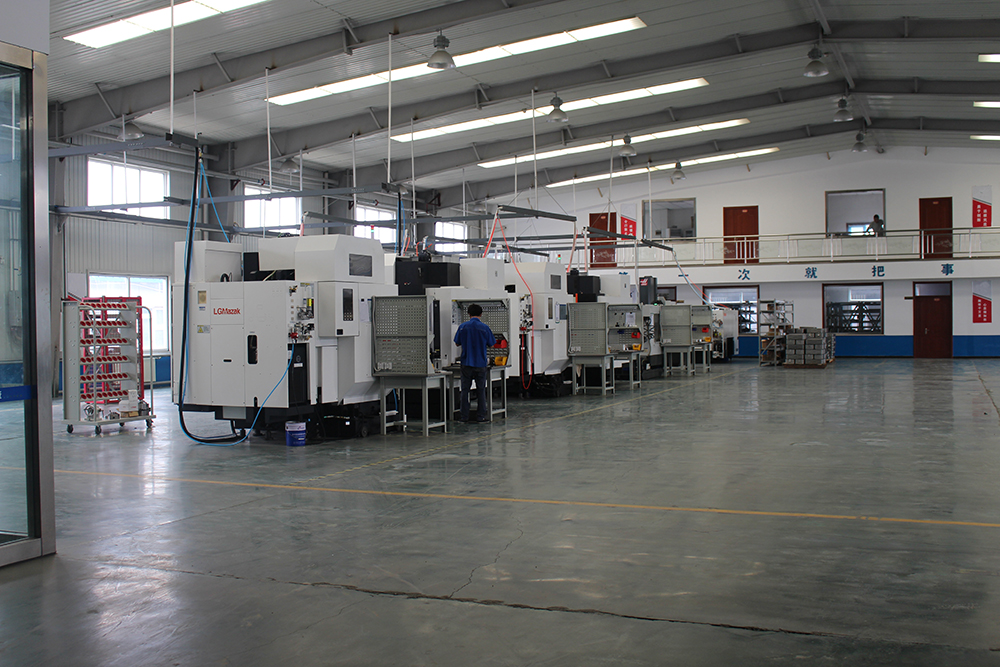
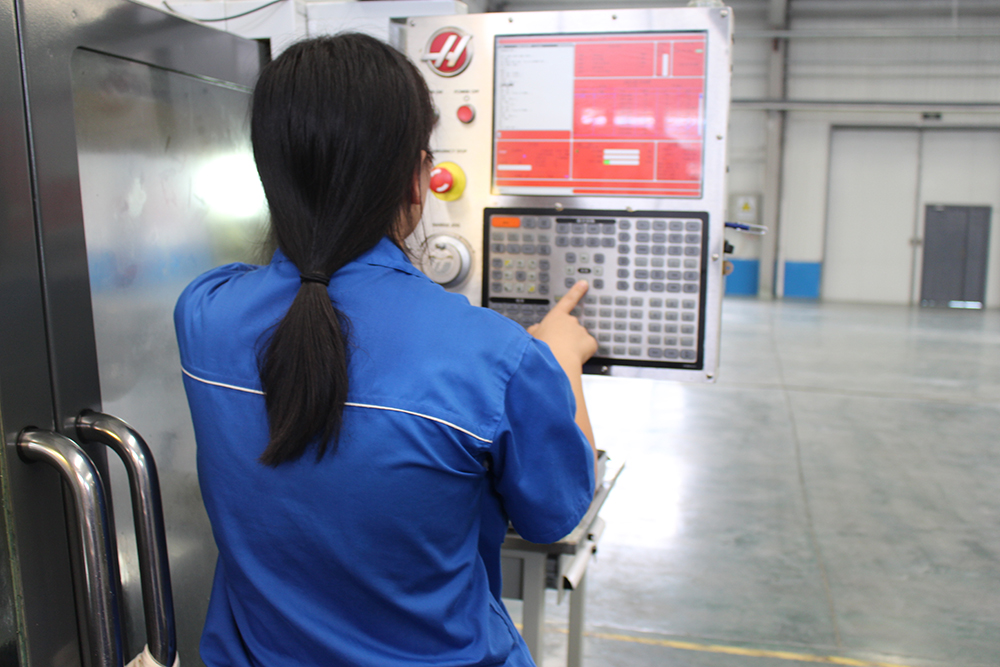
Bopull Medical operates specialized CNC machining centers utilizing high-rigidity spindles to process tough titanium and CoCrMo components. In contrast to conventional engineering shops, our medical manufacturing lines features integrated cleanrooms, ultrasonic cleaning lines, and vacuum packaging systems. These measures prevent cross-contamination by metal dust or cutting fluids, ensuring all implants arrive at sterilization stages in pristine condition.
By coupling advanced manufacturing technology with rigorous testing protocols, we help distributors, hospitals, and veterinary clinics achieve reliable surgical outcomes. Get in touch with our engineering team today to review technical drawings, discuss custom packaging options, or arrange a formal factory audit.
 HUL Healthcare Limited