Explore our high-precision medical-grade instruments for veterinary and human surgical applications.
A Technical Deep Dive into Modern Metallurgy, Heat Treatment, and Ergonomic Design
The foundation of any exceptional surgical scissor is its metallurgical composition. Premium Chinese factories utilize high-grade Martensitic stainless steel, conforming to ASTM F899 standards. This ensures high wear resistance, optimal hardness retention (typically 50-58 HRC), and resistance to standard sterilization methods like autoclaving, ETO, and gamma irradiation.
For ultimate durability and cutting sharpness, tungsten carbide tiles are fused into the cutting edges of the scissors. Indicated by their gold-plated ring handles, TC scissors retain their edge up to five times longer than standard stainless steel, providing unmatched precision during delicate dissections.
To eliminate surface contaminants and construct an oxide layer resilient against physiological fluids, modern factories perform strict passivation according to ASTM A967. This prevents oxidation and corrosion when the surgical tools are exposed to saline, blood, and harsh sanitizers in surgical suites.
Modern surgical procedures require hours of concentration. Exporters optimize scissor geometry (such as Mayo, Metzenbaum, and Castroviejo micro-scissors) to guarantee smooth pivots, reducing hand fatigue for surgeons and improving overall surgical precision.
Procuring surgical instruments globally requires navigating highly stringent regulatory landscapes. In the European Union, the transition from MDD to MDR (Medical Device Regulation 2017/745) has significantly increased the requirements for technical documentation, post-market surveillance, and clinical evaluation.
For B2B buyers, importing from a CE Certified Chinese Factory guarantees that the production facility adheres to European safety standards. Our manufacturing and sourcing frameworks are fully compliant with ISO 13485:2016 and GB/T42061-2022 medical device quality management systems.
Key regulatory protocols executed during our manufacturing cycle include:
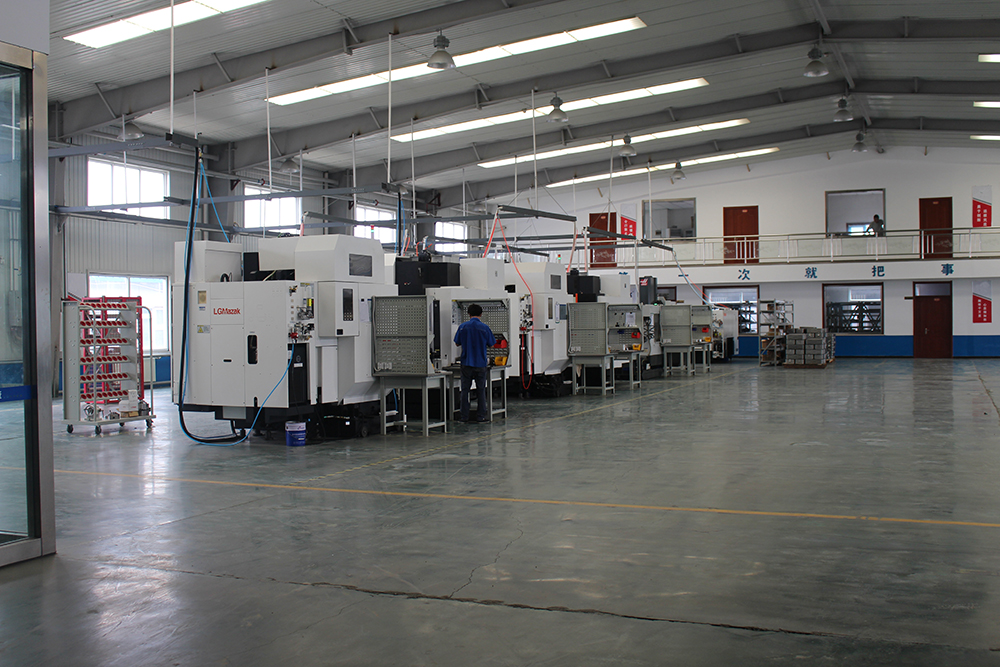
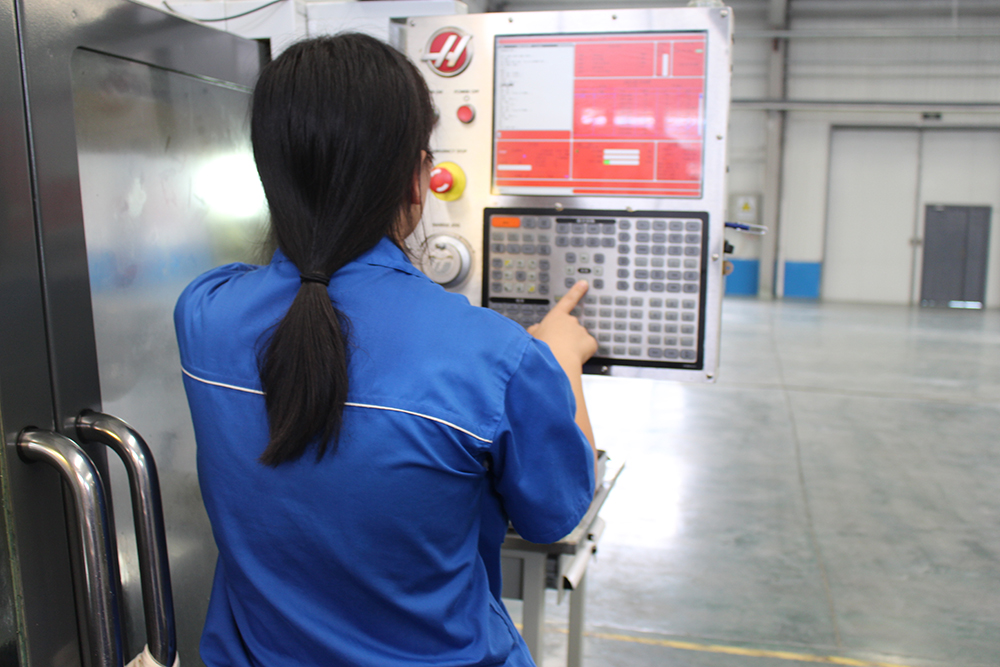
Combining industrial scale, digital logistics, and technical expert engineering.
Skilled Professionals
Annual Revenue Capacity
Standard Response Rate
Rapid Inquiry Response
China's surgical manufacturing clusters benefit from robust industrial integration. From localized sourcing of premium medical steels to advanced CNC milling machines and automated robotic sharpening lines, the cost-to-quality ratio remains unmatched globally. Leading factories in Beijing and Shenzhen integrate research, logistics, and trading models, facilitating direct-to-hospital and OEM/ODM custom branding pipelines for global medical device brands.
Tailored instruments engineered for hospitals, clinics, and academic research institutions.
From thoracic procedures to microsurgeries, we provide specific instrument sets including cardiovascular scissors, micro-dissection scissors, and plastic surgery scissors designed for tissue-specific dissection with minimal trauma.
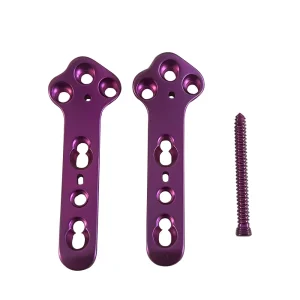
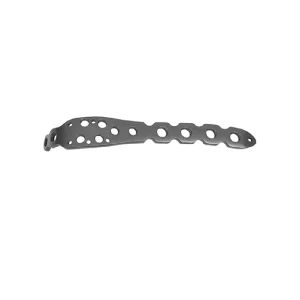
Addressing the growing global veterinary sector with robust bone plates, TPLO saws, and specialized surgical scissor configurations. Our veterinary line supports clinical procedures on companion animals and equine surgeries.
For medical brand holders, we deliver custom laser-marking, bespoke structural iterations, custom packaging, and comprehensive technical files to accelerate the regulatory registration process in target countries.
Providing bulk supply capability for national healthcare system tenders. Our factories guarantee batch-to-batch consistency and high structural integrity to meet national procurement specifications.
A trusted trading and supply chain framework under the operational umbrella of Bopull Medical.
Shenzhen HUL Healthcare Technology Co., Ltd. (operating as Bopull Medical) runs strictly in accordance with international medical regulations. The organization has achieved the GB/T42061-2022 idt ISO13485:2016 quality management system certification, verifying our dedication to global standard compliance.
By leveraging advanced production machinery and relying on a young, innovative, and enterprising engineering team, we resolve complex technical challenges for our clients. We offer products that go beyond simple trading, creating integrated clinical solutions and building strong industrial reputation.
| Operational Metric | Corporate Specification |
|---|---|
| Company Name | Shenzhen HUL Healthcare Technology Co., Ltd. (Bopull Medical) |
| Management Systems | ISO13485:2016 / GB/T42061-2022 Certified |
| Annual Revenue | US$1 Million - US$2.5 Million |
| Reorder Rate | 34% (Indicates high client retention) |
| Corporate Footprint | Beijing & Shenzhen, China |
How automation and material sciences are shaping the next generation of handheld surgical tools.
The global surgical instrument industry is moving toward high specialization and intelligent design. Key trends include:
Critical answers for sourcing managers, biomedical engineers, and quality assurance leads.
For reusable surgical scissors, AISI 420 (commonly referred to as surgical steel) or AISI 440C martensitic stainless steel is highly recommended. These alloys provide the optimal balance between hardness (needed to maintain sharp edges) and corrosion resistance. For premium configurations, fusing Tungsten Carbide (TC) inserts along the cutting edge provides superior longevity.
ISO 13485:2016 is the internationally recognized standard for quality management systems (QMS) specifically designed for the medical devices sector. GB/T42061-2022 is the equivalent Chinese standard that aligns directly with ISO 13485. Having these certifications means our design, manufacturing, and distribution systems are audited to ensure medical device safety and quality consistency.
Compliance is maintained by keeping an updated Technical File, performing clinical evaluations, implementing strict Post-Market Surveillance (PMS), and assigning a Unique Device Identifier (UDI) to all products. Under EU MDR, even Class I reusable instruments must be verified by a Notified Body to guarantee cleaning and sterilization processes are safe.
Standard OEM samples are processed within 15-30 days. For bulk production orders, the standard lead time is 45-60 days, depending on technical specifications, mold requirements, and local raw material scheduling. Our standard response time to initial inquiries is within 3 hours, helping buyers coordinate their project timelines effectively.
Scissors should be sterilized using steam autoclaving at 134°C (273°F) for at least 3-5 minutes, ensuring they are placed in an open position to sterilize the joint pivot. Utilizing deionized or distilled water prevents mineral deposits. Clean and dry the instruments thoroughly after sterilization to avoid pitting and joint stiffening.
Select specialized instruments designed for complex orthopedic procedures and clinical diagnostics.
 HUL Healthcare Limited