Explore our premium range of ISO-certified precision medical hardware, surgical instruments, and customizable implant components.
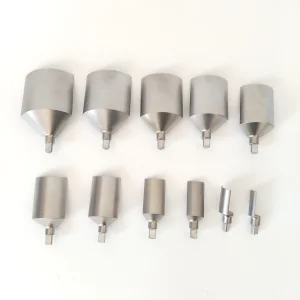
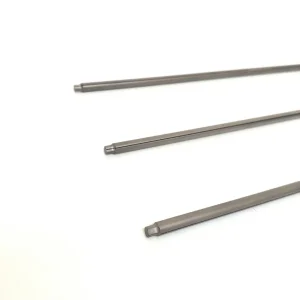
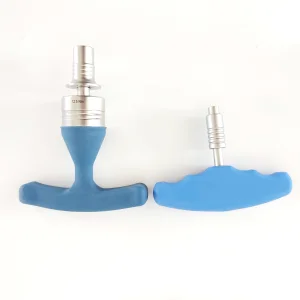
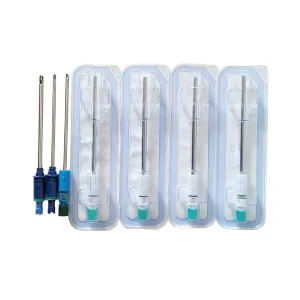
White Paper: Key trends, precision engineering requirements, and global procurement paradigms.
The global landscape of diabetes management has evolved rapidly from static self-monitoring of blood glucose (SMBG) to real-time, dynamic, and predictive Continuous Glucose Monitoring (CGM) systems. Modern clinical practices demand biosensors that track glucose concentrations in the interstitial fluid with unprecedented precision and minimal invasiveness. Consequently, the engineering tolerances required for glucose monitor components—including sensor housings, subcutaneous filament inserters, micro-shafts, and transcutaneous connectors—have shifted down to micrometer scales.
As a global hub for medical electronics and high-precision mechanical fabrication, China has developed a highly integrated ecosystem capable of manufacturing both the electronic telemetry assemblies and the surgical-grade mechanical inserters required for these modern wearable wellness systems.
"Integrating electrochemical micro-sensor arrays with robust external receivers requires not just electronic excellence, but highly complex, bio-compatible mechanical interfaces. This cross-disciplinary synergy is where advanced Chinese medical device manufacturers excel."
B2B buyers, including multinational healthcare brands, hospital procurement systems, and pharmaceutical distributors, prioritize three critical layers when auditing a potential Glucose Monitoring manufacturer:
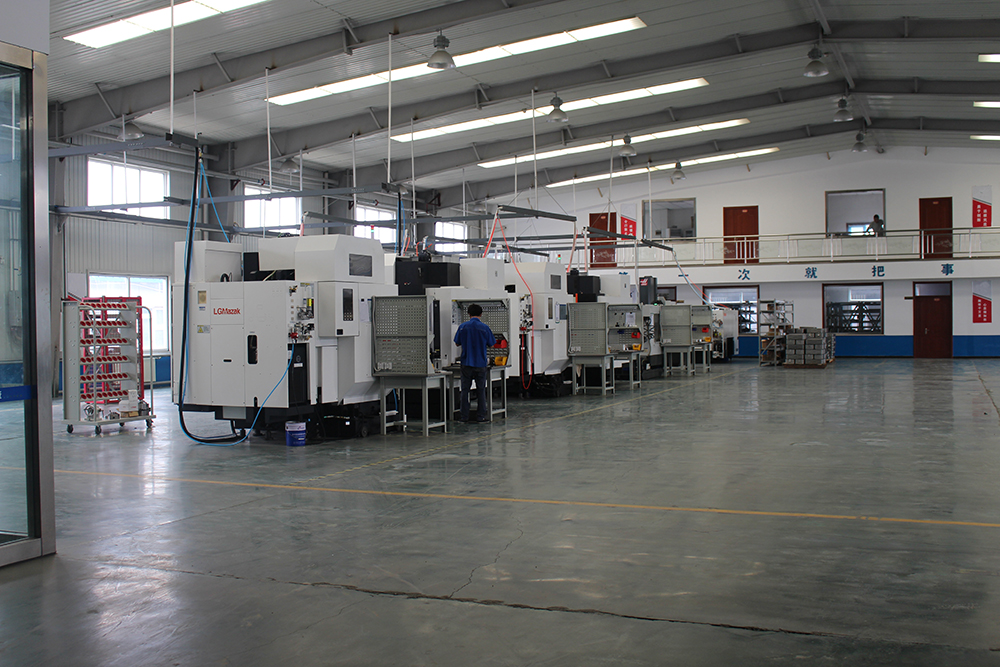
Chinese manufacturing has evolved from basic assembly to intelligent Smart Factories (Industry 4.0). Leveraging high-throughput robotic assembly lines, real-time optical sorting, automated laser welding, and inline QA sensor calibration systems, Chinese manufacturers like HUL Healthcare offer significant supply chain advantages. Our proximity to the global electronics hub in Shenzhen ensures seamless procurement of microprocessors, low-power Bluetooth modules, and advanced batteries required for active glucose telemetry.
This geographical convergence of electronics and mechanical component manufacturing creates a highly reliable supply chain resilient to global logistic bottlenecks, lowering shipping times and significantly reducing overall research and development cycle times for custom OEM requests.
How we bridge high-precision medical mechanical hardware with next-generation smart healthcare solutions.
We process surgical-grade stainless steel (316L, 17-4 PH) and titanium alloys using custom tooling and precision CNC configurations, perfect for complex implantable systems.
Equipped with state-of-the-art Japanese Star Swiss lathes, we ensure dimensional tolerances of sub-micron levels on micro-inserter needles and biosensing interface shafts.
From physical engineering design to mass production scaling, we assist global healthcare providers in fabricating complex housing structures, gears, and wear components.
Verified organizational metrics demonstrating high performance, production capability, and global trade safety.
Discover how our high-precision healthcare manufacturing supports diverse veterinary and human medical disciplines globally.
Our core focus revolves around the scalable micro-manufacturing of physical hardware required for transcutaneous monitoring. Wearable glucose monitors contain delicate biosensor wires and microfluidic interfaces that demand sterile, burr-free housings. In hospitals and outpatient environments, these components must withstand constant friction, chemical sanitization, and variable physical stresses, ensuring patient compliance and clinical-grade diagnostic readouts.
By utilizing our high-throughput CNC lines and cleanroom assembly facilities, we deliver pristine component shells and precise insertion mechanics that ensure painless, reliable application for end-users.
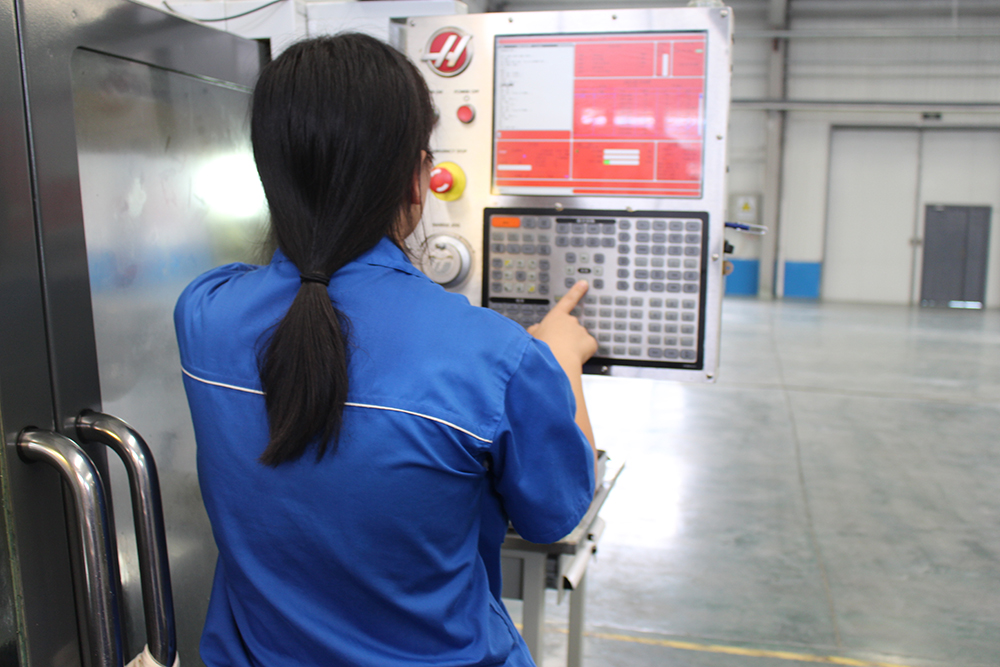
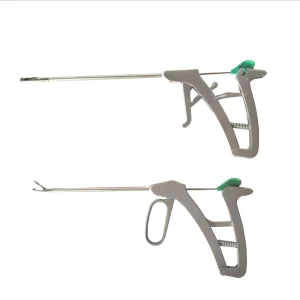
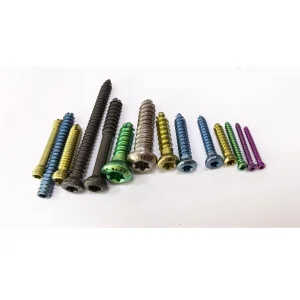
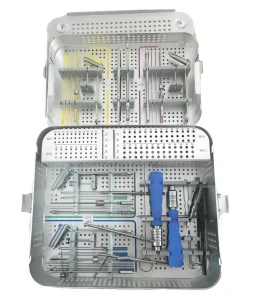
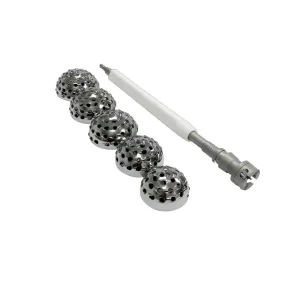
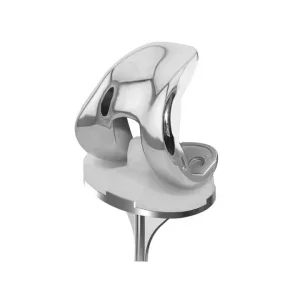
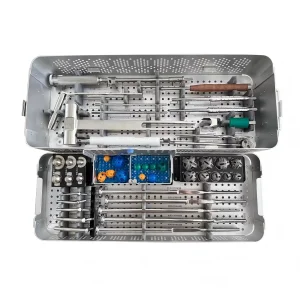
Beyond electronic metabolic monitoring hardware, our manufacturing floor specializes in mechanical surgical instrumentation. In human orthopedics and veterinary surgical settings (such as canine TPLO surgery), structural integrity is absolute. A single micro-crack or dimensional deviation can compromise surgical success. Our TPLO saw blades, trauma plates, and hip joint prostheses are manufactured from certified titanium and hardened stainless steel, ensuring optimal biocompatibility and osseointegration.
Everything you need to know about our medical manufacturing processes, logistics capabilities, and customization options.
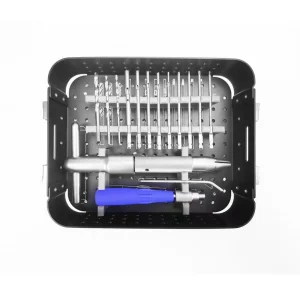
Explore our highly reliable, clinically tested joint replacement implants, surgical reamers, and custom instrumentation kits.
 HUL Healthcare Limited