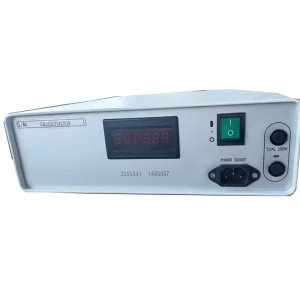
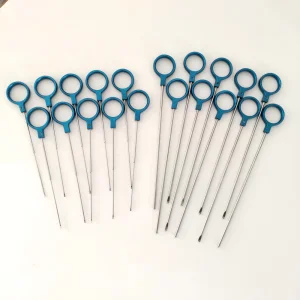
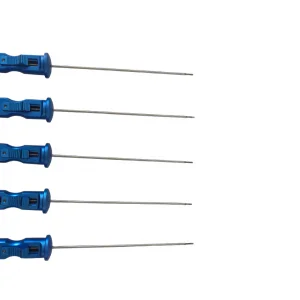
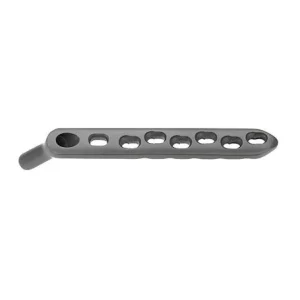
Explore our precision-engineered selection of medical implants, specialized orthopedic instruments, and sterilization equipment manufactured in complete compliance with international standards.
In the highly regulated arena of global healthcare procurement, Chinese medical device manufacturing has evolved from cost-driven assembly to clinical-grade, high-precision engineering. Under rigorous state-level regulatory transformations and global validation pipelines, leading exporters now deliver devices that match or exceed Western OEM specifications. This evolution is underpinned by three core competitive pillars:
Utilizing medical-grade titanium alloys (Ti6Al4V ELI) and ultra-pure implantable stainless steel (316LVM), manufacturers employ state-of-the-art passivation and vacuum heat treatment processes. This guarantees fatigue strength, corrosion resistance, and optimized osseointegration profiles for internal trauma fixation, arthroplasty, and spinal reconstructive procedures.
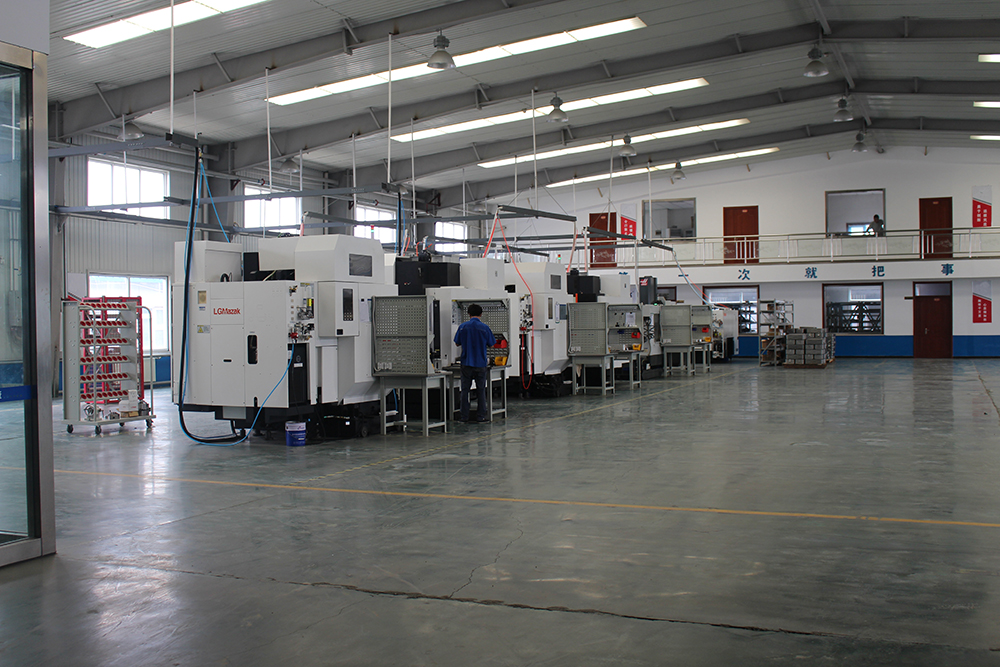
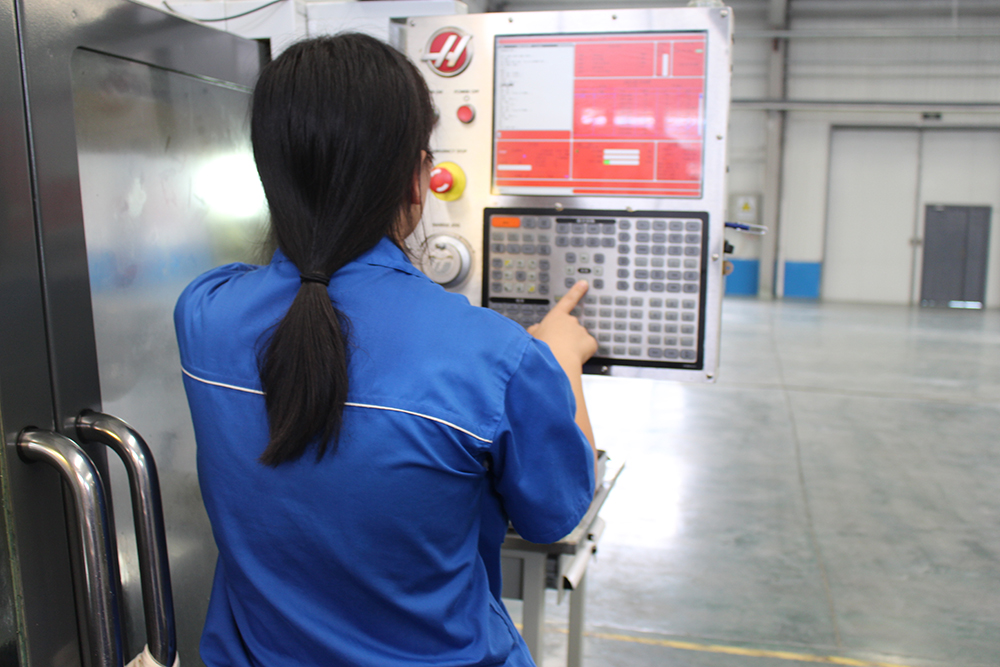
Equipped with Swiss-type multi-axis CNC lathes, advanced EDM wire-cutting stations, and automated laser-welding units, production facilities achieve tolerances within ±2 microns. This precision ensures seamless component mating in intricate assemblies like minimally invasive spine retractors and modular hip implants.
Compliance is not optional. Modern exporters align production with international standards like GB/T42061-2022 and ISO 13485:2016. Cleanroom operations conform to ISO Class 7 (Class 10,000) standards, ensuring that raw material traceability, bioburden testing, and final packaging sterilization meet strict global market entry requirements.
The surgical instrument market is undergoing a major technological transformation. Clinical demands are steering away from heavy, open-surgery instruments toward ergonomic, micro-precision, and active lighting instruments designed to improve patient outcomes and minimize surgical recovery times.
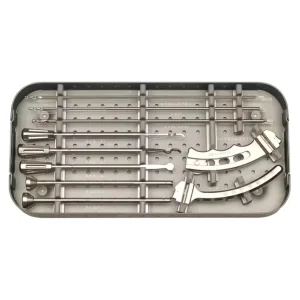
Modern spinal surgeries (like OLIF and MIS decompression) demand high visibility in deep, narrow surgical paths. The integration of fiber-optic or cold LED light systems into manual retractors allows surgeons to bypass bulky overhead light adjustments. High-tensile stainless steel structures ensure strength under retraction pressure, avoiding tissue trauma.
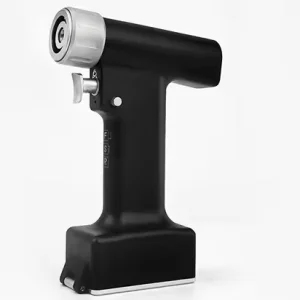
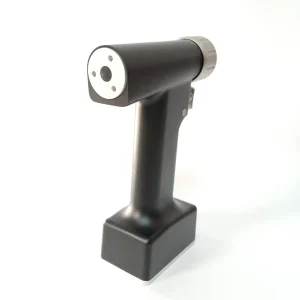
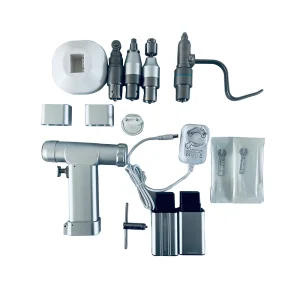
Traditional pneumatic surgical systems are being replaced by high-performance lithium-battery brushless motor orthopedic drills and saws. These handpieces deliver precise torque, variable speed control, and can withstand up to 135°C steam autoclave sterilization cycles, satisfying the rigorous demands of both human orthopedics and veterinary applications.
Arthroscopic shoulder repair and ligament reconstructions depend on precision suturing. Specialty instruments, such as suture cutters and arthroscopic knot pushers, must perform micro-level maneuvers without tearing delicate tissues. Concurrently, biomimetic materials, including ceramic femoral heads and engineered polyethylene liners, minimize friction-induced wear in total hip replacements.
Procuring surgery products internationally involves navigating regulatory hurdles, intellectual property concerns, and logistics delays. To mitigate supply chain risks, global hospital networks and OEM distributors are establishing long-term partnerships with certified Chinese medical exporters who provide structured sourcing solutions:
Exporters provide end-to-end design-to-prototype manufacturing. Using 3D computer models (CAD/CAM) and laser marking technologies, medical distributors can brand customized trauma plates, surgical drills, and specialty retractor systems with precise configurations tailored for regional markets.
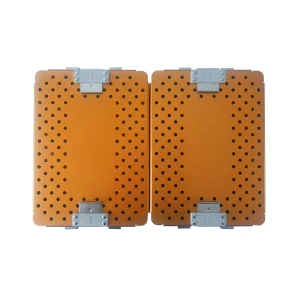
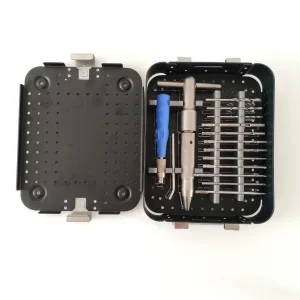
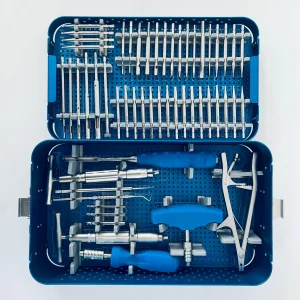
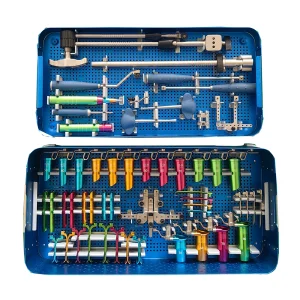
A surgery product is only as safe as its sterilization management. Modern suppliers deliver integrated solutions, combining delicate surgical instruments with heavy-duty aluminum sterilization and disinfection boxes, complete with custom silicone inserts for safe transport, autoclave processing, and storage.
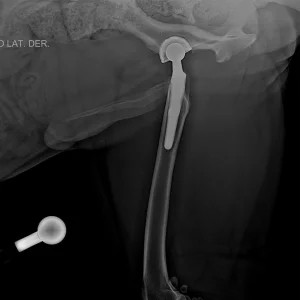
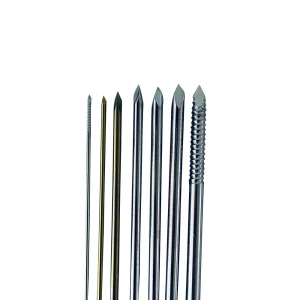
Bridging veterinary surgery and human orthopedics allows medical distributors to achieve economies of scale. High-grade bone screws, K-wires, and modular hip prostheses are built on the same engineering baselines, offering veterinary clinics the same precision and safety that human hospitals demand.
As a prominent exporter of advanced surgery products and orthopedic instruments, Shenzhen HUL Healthcare Technology Co., Ltd. (operating globally as Bopull Medical) operates under a strict, law-compliant management system certified to GB/T42061-2022 / ISO13485:2016. Combining deep clinical insights with advanced manufacturing, the company supplies global distributors with high-performance orthopedic systems, veterinary instruments, and customized surgery solutions.
Operating with a team of 301 - 500 skilled professionals and a steady annual revenue of US$1 Million - US$2.5 Million, Bopull Medical focuses on technological innovation and customer satisfaction. The company's engineering team works closely with clinical advisors to continually refine instrument ergonomics, material selections, and mechanical performance.
With a fast response time of ≤3 hours and a verified response rate of 95.36%, Bopull Medical provides reliable assistance to international clients navigating complex product selection, customized tool designs, and regulatory compliance validation. The company's 34% reorder rate stands as a testament to its consistent quality and dependability in the global medical trade market.
Essential technical and regulatory information for global medical sourcing directors, clinical buyers, and distributors importing surgery products from China.
ISO 13485:2016 (and its Chinese standard equivalent GB/T42061-2022) is the specific international quality management system standard for medical devices. A manufacturer holding this certification has implemented rigorous, traceable controls throughout the entire product lifecycle—from raw material testing (such as verifying the chemical composition of titanium and stainless steel batches) to precision CNC machining, ultrasonic cleaning, cleanroom packaging, and final sterilization validation.
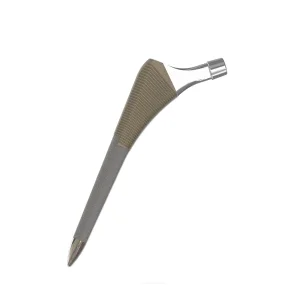
For long-term joint replacements (such as total hip arthroplasty), medical-grade ceramic heads (Zirconia Toughened Alumina) combined with Titanium Alloy (Ti6Al4V) femoral stems are the gold standard to reduce wear and minimize bone resorption. For trauma plates and bone screws (osteosynthesis systems), surgical titanium or 316LVM stainless steel is preferred for its high tensile strength and moderate flexibility, which match the natural biomechanics of healing bones.
Although the basic raw material specifications (medical-grade 316LVM steel, titanium) and machining requirements are identical, human implants must go through complex regional regulatory approvals (such as US FDA 510k, EU MDR). Many veterinary clinics use standard human-grade trauma screws, K-wires, and drills because they offer excellent precision and longevity, but they must be labeled, packaged, and handled specifically for veterinary applications.
Brushless motors eliminate carbon brush wear, which significantly increases the operating life of the power tool and prevents carbon particulate emission during surgery. These motors provide higher torque-to-weight ratios, generate less heat, run quieter, and allow precise variable speed controls. Crucially, their sealed design allows the handpieces to undergo repeated thermal autoclave sterilization cycles without motor failure.
The process begins with the client submitting exact 2D/3D CAD models or CT scans. Bopull Medical's engineering team conducts a feasibility review to confirm mechanical stability and tolerances, followed by CNC prototype fabrication. After mechanical test validation (such as static and dynamic fatigue tests) and approval from the client, the components undergo passivating treatments, laser engraving, cleanroom packing, and final shipment.
Surgical instruments must be clean, sterile, and free of particulate contamination. Exporters achieve this by using multi-stage ultrasonic cleaning baths and packing the items in medical-grade Tyvek pouches inside Class 10,000 cleanrooms. For reusable surgical kits, aluminum sterilization and disinfection boxes with customizable silicone holders protect the delicate instruments during transport and ensure steam penetration during autoclave procedures.
Browse our range of specialized veterinary drill systems, arthroscopic devices, spinal retractors, and precision screw removal kits designed to optimize surgical efficiency.
 HUL Healthcare Limited