The global orthopedic trauma landscape has witnessed paradigm-shifting advancements over the last decade. Historically, trauma surgery focused strictly on mechanical stabilization and basic fracture fixation. Modern clinical protocols prioritize biological preservation, accelerated rehabilitation, and minimally invasive techniques (MIS) that significantly lower post-operative complications. The rapid evolution of trauma surgery instruments and implants relies on two key factors: advanced metallurgical materials (such as Grade-V Titanium Alloy and ultra-highly crosslinked polyethylene) and the precision engineering of delivery systems.
For orthopedics and sports medicine, instruments like disposable arthroscopy shaver blades, flexible reamers, and spinal fixation assemblies must undergo microscopic dimensional tolerances. A deviation of just a few microns can compromise the tactile feedback felt by a surgeon, or worse, lead to micro-motion at the bone-implant interface. As healthcare systems globally battle cost inflation while demanding superior clinical outcomes, the role of a certified manufacturing partner becomes paramount. Leading trauma factories must integrate cleanroom-grade precision manufacturing, rigorous metallurgical testing, and global regulatory compliance framework to serve international medical distribution networks.
"Modern clinical trauma care relies not just on the implant itself, but on the systematic engineering of the delivery instruments. Resilient supply chains must bridge the gap between advanced metallurgy and precise surgical feedback."
Using advanced materials such as Titanium Gr.5 (Ti-6Al-4V ELI) and medical-grade stainless steel to ensure high tensile strength, fatigue resistance, and absolute biocompatibility.
Manufacturing processes adhere strictly to GB/T42061-2022 / ISO13485:2016 international quality management systems, assuring standard validation in surgical environments.
Providing flexible manufacturing options tailored for specialized trauma centers, sports medicine clinics, and veterinary orthopedic applications worldwide.
Purchasing directors and supply chain professionals at hospitals and multinational medical device companies face complex challenges. The procurement process for orthopedic implants and trauma instruments is governed by demanding regulatory protocols, shipping validation, and sterilization control. Reliability is not a marketing term; it is a clinical requirement. A delayed shipment of custom locking plates or a batch of off-spec shaver blades translates directly to disrupted surgical schedules, increased hospital overhead, and compromised patient care.
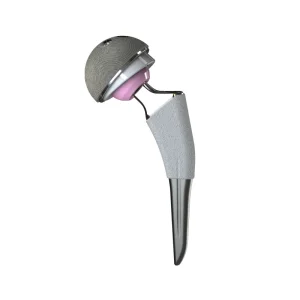
To mitigate these risks, procurement strategies are shifting towards integrated platforms that combine design, fabrication, cleanroom packaging, and global logistics. Modern buyers demand absolute transparency: complete traceability of raw titanium ingots, documentation of heat-treatment processes, and CNC machining logs that prove conformity. Furthermore, the rising demand for veterinary orthopedics—such as canine Tibial Plateau Leveling Osteotomy (TPLO) plates and hip replacement implants—requires factories to possess dual-design capabilities. This allows them to support both human and veterinary dimensional profiles without compromising production efficiency or cross-contaminating manufacturing lines.
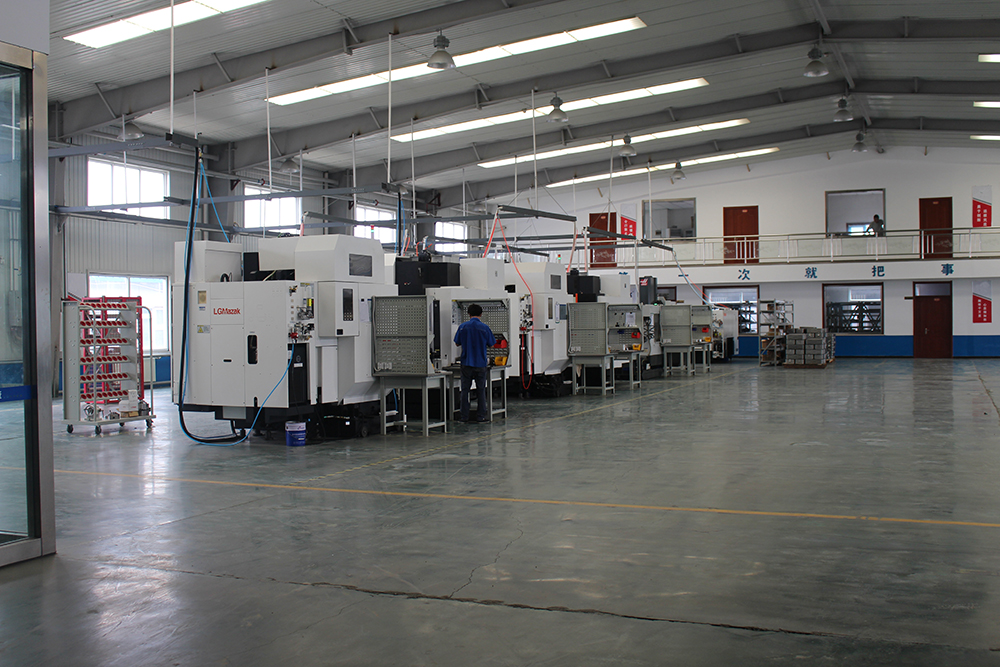
The concentration of raw material refinement, high-speed multi-axis CNC milling, surface treating facilities, and packaging in a single geographical hub gives Chinese medical factories a distinct advantage. This integrated ecosystem ensures exceptional agility. While traditional manufacturing networks in Europe or North America struggle with long lead times for raw titanium sourcing or custom anodizing, China's "Factory 4.0" model consolidates these workflows under strict, localized clusters.
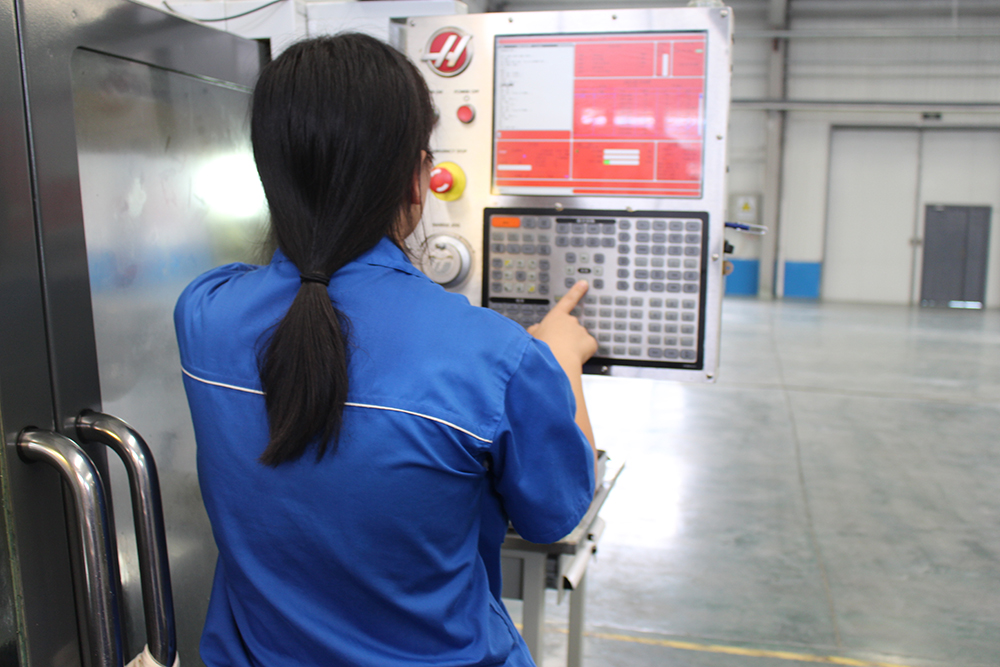
Factories like Bopull Medical utilize digital inventory control and real-time QA testing to optimize every stage of production. From automatic raw metal bar feeding in Swiss-type CNC lathes to automated optical inspect systems, every variable is tracked. This level of supply chain resilience protects global buyers from volatility. When global logistics face challenges, our integrated production lines adapt quickly, maintaining consistent deliveries of external fixators, pedicle screws, and complex arthroscopic instruments. This reliability keeps operating rooms supplied around the world without interruption.
Bopull Medical operates strictly in accordance with international medical device laws, regulations, and manufacturing standards. Certified under the GB/T42061-2022 idt ISO13485:2016 quality management system, the enterprise focuses on resolving complex technical challenges for orthopedic surgeons and distributors.
By investing in advanced equipment and nurturing a highly skilled, innovative technical team, we deliver precision products that exceed customer expectations. Our strong quality management systems, combined with responsive client services, have earned Bopull Medical an outstanding reputation among global orthopedic distributors and healthcare purchasing networks.
| Response Rate | 95.36% (Response Time ≤ 3h) |
|---|---|
| Annual Revenue | US$1 Million - US$2.5 Million |
| Employee Count | 301 - 500 Professional Staff |
| Primary Location | Beijing, China |
| Business Model | Trading Company with Dedicated Production Partnerships |
| Market Presence | Over 3 Years of Global Export History |
Medical devices are only as good as their performance in sterile, high-pressure operating environments. The diverse portfolio offered by Chinese trauma exporters supports various medical fields, each with unique requirements:
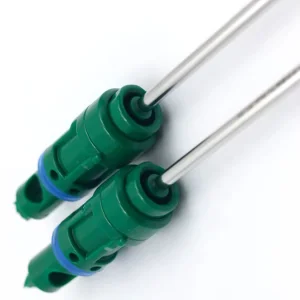
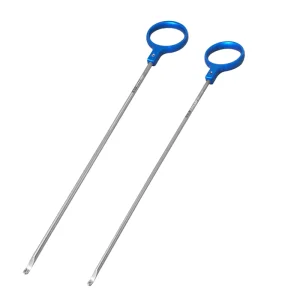
1. Human Sports Medicine Clinics: Arthroscopic repair procedures demand highly precise, sharp, and vibration-free instruments. Products like the *Sports Medicine Disposable Arthroscopy Shaver Blade* and the *Knot Pusher Instruments* allow surgeons to perform joint resections and soft-tissue repairs through tiny portal incisions. These tools ensure clean margins and minimize tissue trauma.
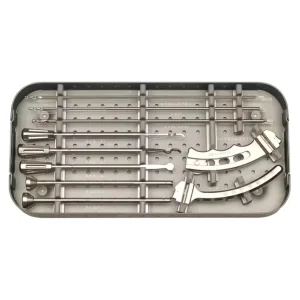
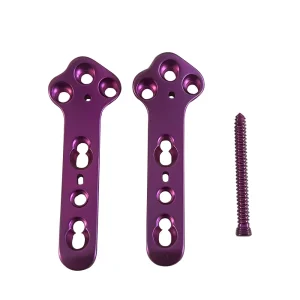
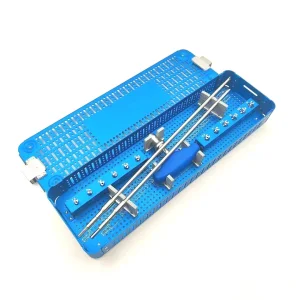
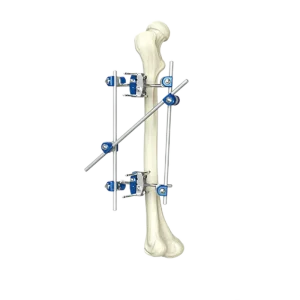
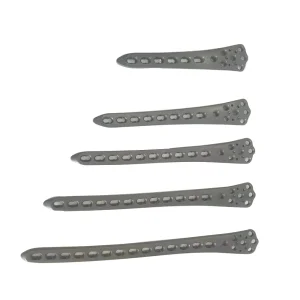
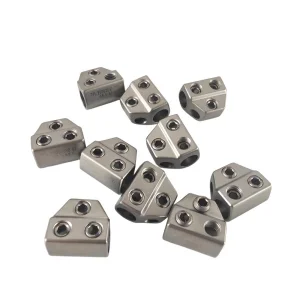
2. Trauma Centers & Emergency Surgical Units: High-impact trauma, such as car accidents or falls, requires rapid external stabilization. *Complete Orthopedic External Fixation System Sets* provide quick stabilization for open fractures, controlling tissue damage while prep is made for internal fixation. Later, *Cloverleaf Fusion LCP Titanium Bone Plates* or distal plates are used to provide stable anatomical reduction for long-term recovery.
3. Veterinary Specialty Hospitals: Veterinary orthopedics is growing rapidly as pet owners demand advanced options for joint disease and fractures. Canine cruciate ligament tears require Tibial Plateau Leveling Osteotomy (TPLO) using specialized *TPLO Plates (2.0 to 3.5)* and high-speed *Electric TPLO Saw Blades*. These instruments are designed to handle the specific anatomy of domestic animals, ensuring quick, stable healing.
We source our medical materials exclusively from certified international suppliers. Every batch of Titanium (Ti-6Al-4V ELI) and implant-grade Stainless Steel comes with detailed material analysis certificates (MTRs). We also conduct in-house tests for chemical composition and mechanical properties before any manufacturing begins.
Yes. Our orthopedic flexible reamers and disposable shaver blades are designed to meet standard connection interfaces. They are compatible with major surgical power tool brands, allowing seamless integration into hospital systems without requiring new hardware.
We operate under the international standard GB/T42061-2022 idt ISO13485:2016. This covers every step of our process—from product design and raw material sourcing to CNC machining, polishing, cleanroom packaging, and final sterilization validation.
Yes, we provide full OEM/ODM services. Our engineering team can work from your 2D/3D CAD models or physical samples. We adjust dimensions, locking mechanisms, and surface finishes to meet the requirements of your surgical techniques or market regulations.
Lead times vary based on product complexity and order size, but standard catalog items typically ship within 15–30 days. We offer flexible MOQs, especially for initial clinical trials and market evaluations, supporting long-term distribution partnerships.
We package our implants and disposable instruments in medical-grade Tyvek pouches or protective cases that preserve sterility during shipping. We also perform shipping simulation and shelf-life testing to ensure products arrive at clinical settings in perfect condition.
 HUL Healthcare Limited