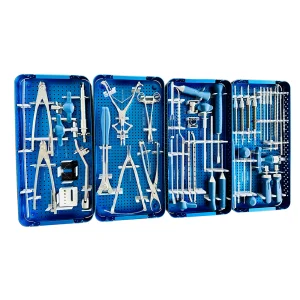
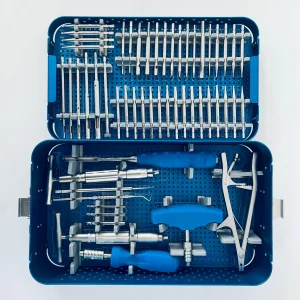
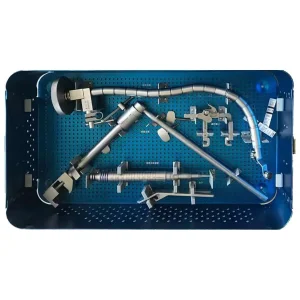
Engineered for orthopedic reconstruction, total joint arthroplasty, and minimally invasive sports medicine.
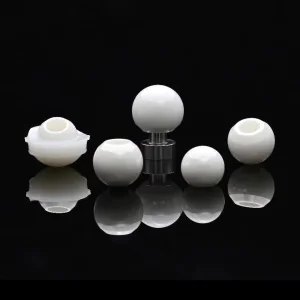
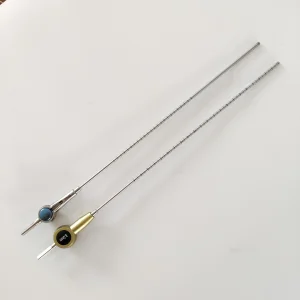
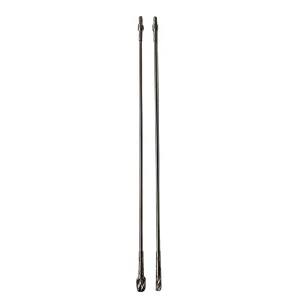
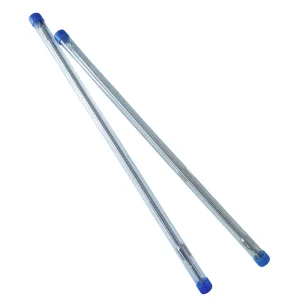

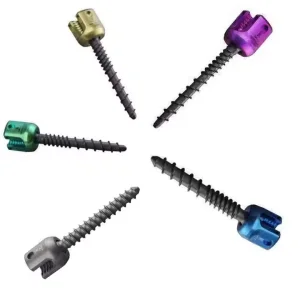
The sports medicine market has transitioned from invasive open surgeries to highly specialized, minimally invasive arthroscopic solutions. Driven by an aging but active global demographic and an increase in sports-related injury incidence, global healthcare networks demand superior quality implants and precision instruments. Recent innovations focus on bio-absorbable materials, customized anatomically-contoured fixation plates, and high-durability ceramics designed to limit osteolysis and minimize recovery timelines.
Furthermore, the integration of smart technology in operating theaters has elevated requirements for surgical instrumentation. Modern sports medicine surgeons seek ergonomic, high-tactility hand tools, flexible reamers, and customizable shaver blade interfaces that ensure precise debridement and anatomical alignment. These industry trends underscore a central requirement: medical device manufacturers must blend advanced material sciences with absolute dimensional repeatability.
Implementation of grade-V titanium, ultra-high molecular weight polyethylene (UHMWPE), and medical-grade alumina ceramics to prevent tissue rejection and ensure lifetime implant integration.
Global procurement teams face strict reimbursement models. Sourcing direct from certified Chinese OEMs delivers significant capital expenditure savings without sacrificing clinical efficacy.
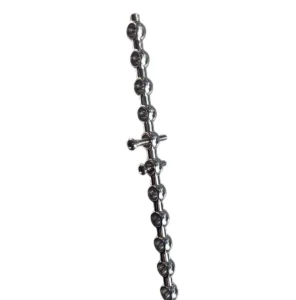
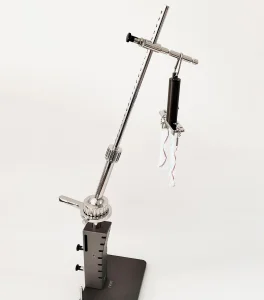
High-precision arthroscopic instruments such as suture cutters, custom shaver blades, and flexible reamers optimized to access tight joint cavities through microscopic portals.
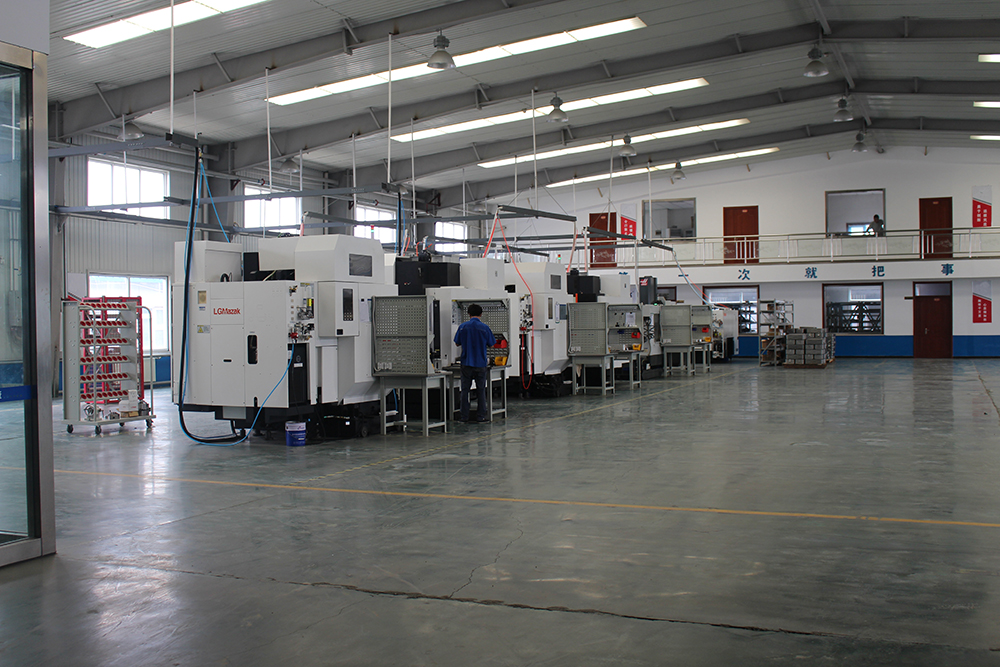
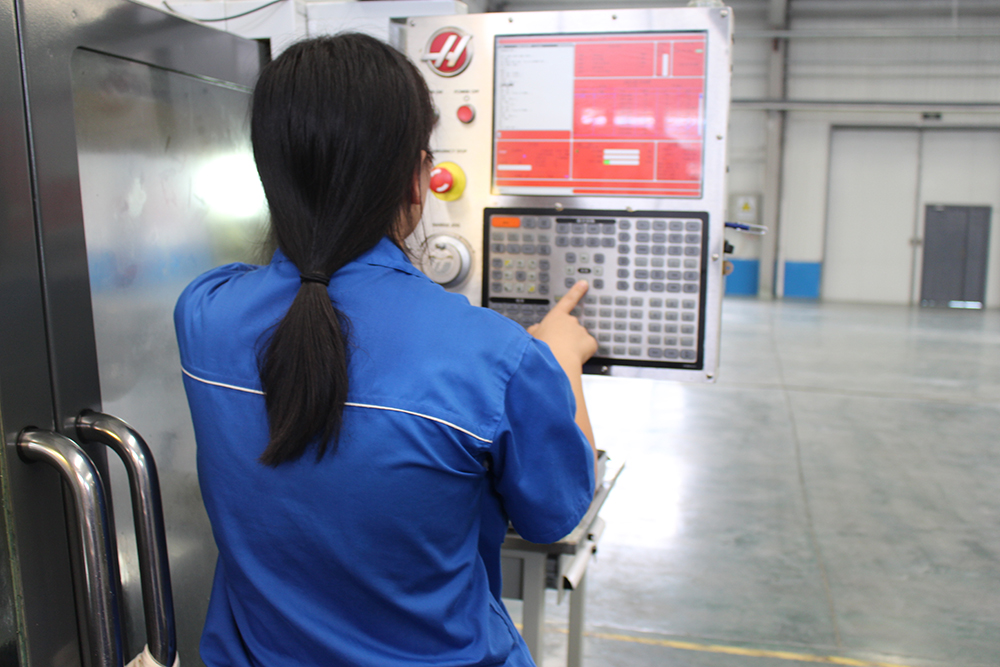
As a leading Chinese sports medicine manufacturer, Shenzhen HUL Healthcare Technology Co., Ltd. (operating as Bopull Medical) leverages a high-tech supply chain model designed to resolve global logistics risks. Guided by the strict mandates of GB/T42061-2022 / ISO13485:2016, our facility integrates multi-axis CNC machining, Swiss EDM wire-cutting, and automated coordinate measuring machines (CMM) to maintain micro-tolerances down to ±2 microns.
Factory 4.0 is not merely about robotics; it is about absolute data traceability. Every surgical screw, flexible reamer, and ceramic femoral head undergoes rigorous non-destructive testing (NDT), surface roughness analysis (Ra < 0.02μm for implant bearing surfaces), and ultrasonic cleaning inside Class 10,000 cleanrooms. This comprehensive manufacturing control mitigates defects, accelerates output, and establishes the long-term reliability required by international healthcare distributors.
For B2B medical buyers, procurement involves strict regulatory navigation. Importing orthopaedic devices requires absolute compliance with the European Union Medical Device Regulation (EU MDR), US FDA 510(k), and local health authorities. Quality assurance managers must verify chemical compositions, mechanical fatigue profiles (such as ISO 7206 for hip prostheses), and sterilization validation protocols.
Bopull Medical resolves these roadblocks by providing exhaustive technical documentation. Our regulatory affairs department offers comprehensive support, including raw material mill sheets, biocompatibility profiles, and production process validations. By aligning our operating procedures with the global medical supply chain demands, we ensure that products move smoothly from our automated lines directly through international customs and into clinical facilities.
Discover premium trauma, spine, joint reconstruction, and veterinary surgical components.
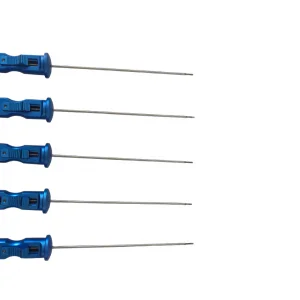
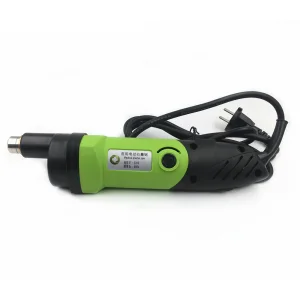
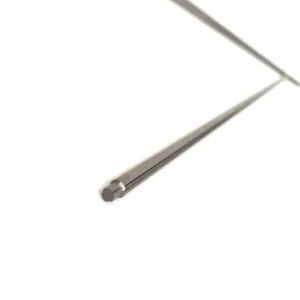
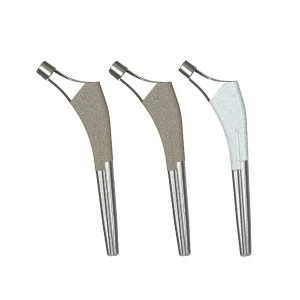
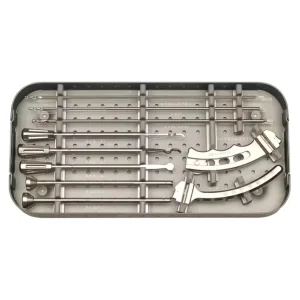
Our solutions cater directly to distinct healthcare divisions, each demanding customized structural properties:
Choosing the correct alloy or ceramic grade influences structural lifespan and patient recovery. The table below highlights the comparative properties of the three predominant materials utilized in Bopull Medical's manufacturing lines:
By employing raw material tracking, each batch of titanium and stainless steel is tested using spectral chemical analysis before entering the CNC lathe. This prevents the structural fatigue failures commonly associated with lower-grade components.
Technical and regulatory answers for hospital buyers, medical device distributors, and orthopedic importers.
 HUL Healthcare Limited