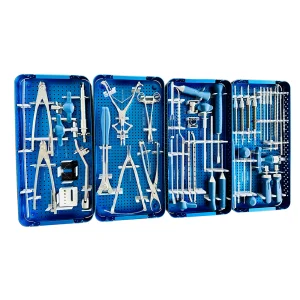
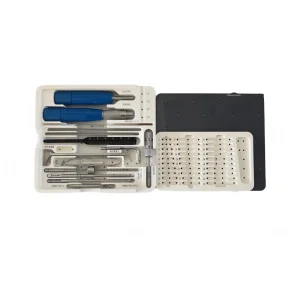
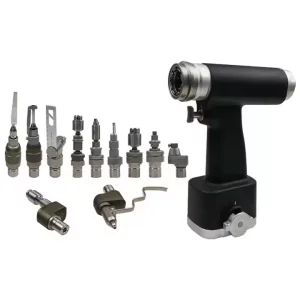
Engineered to comply with rigorous clinical demands, ensuring patient safety and operative precision.
Establishing the benchmark in regulatory compliance, industrial scale, and rapid-response medical supply chains.
Operates internationally with high praises for its surgical and orthopedic integration portfolios under Bopull Medical.
A deep analysis of barrier technologies, liquid resistance, and patient protection in aseptic environments.
High-grade surgical drapes utilize SMS (Spunbond-Meltblown-Spunbond) and SMMS non-woven architectures. The meltblown center acts as an absolute microbial barrier, while outer spunbond layers offer excellent tensile strength and abrasion resistance, keeping the surgical site dry and contaminant-free.
Applying biocompatible medical adhesives ensures the drape adheres firmly to the patient's skin without causing irritation or epidermal stripping upon removal. This prevents bacterial migration from surrounding skin regions into the open surgical incision.
Operating rooms house complex electronics and oxygen-rich environments. The drapes undergo rigorous anti-static treatments and comply with Class 1 flammability standards (NFPA 258/1990 equivalent), avoiding any electrostatic discharges or combustion risks from electrosurgical devices.
Surgical Site Infections (SSIs) account for nearly 20% of all healthcare-associated infections. Surgical drapes are not merely passive fabric sheets; they are dynamic, engineered barrier systems. Optimal draping practices require high fluid absorption around the fenestration zone to capture blood, irrigation fluids, and bodily fluids, while maintaining zero strike-through properties underneath to prevent microbial transfer from the patient table to the sterile surgical team.
Choosing the correct polymer matrix determines the clinical safety level. The table below outlines how various fibers behave under stress and fluid contact:
Leveraging domestic industrial clusters, optimized raw material supply networks, and seamless transport infrastructure.
China hosts the world's largest concentration of PP (Polypropylene) raw material polymer suppliers and advanced non-woven extrusion lines. This density minimizes regional logistics overheads, stabilizing unit costs even amidst international market volatility.
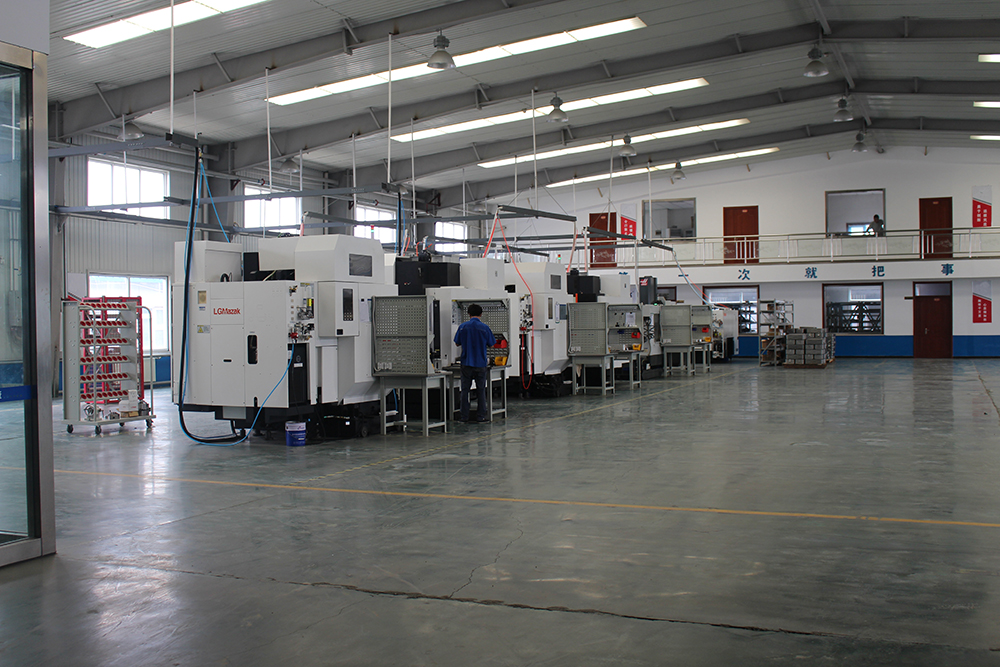
Modern production facilities run high-speed automated folding, cutting, and packaging machinery. Operating under cleanroom parameters ensures minimal baseline bioburden, lowering the sterilization failure risk for the final sterile output.
Surgical drapes require validated sterilization parameters. Advanced Chinese industrial zones host dedicated Ethylene Oxide (EO) sterilization chambers, providing detailed batch records, residual gas monitoring, and cycle certificates to guarantee sterilization validation.
Located near major ocean lanes and domestic transit networks (including Shenzhen, Tianjin, and Shanghai ports), exporters ensure rapid container packing, customs declaration handling, and direct transport lanes to reach European, Asian, and American distribution hubs.
How HUL Healthcare and Bopull Medical uphold stringent international quality controls to safeguard clinical outcomes.
Entering international healthcare markets requires absolute compliance with national and regional health agencies. Medical devices and protective sterile drapes are heavily audited. As a licensed supplier certified under GB/T42061-2022 idt ISO13485:2016, our quality management system monitors every stage, from material inspection to final sealing.
Every single shipment undergoes a strict tracking regime. In compliance with medical device regulatory requirements, we document:
Tailoring drape designs to match specialized surgical fields, hospital setups, and clinical protocols.
Modern clinical practices demand highly specialized draping systems. Standard rectangular sheets are no longer sufficient. Specialized configurations allow surgeons to minimize preparation time while maximizing the sterile field. Below are the key scenarios where customized drapes play a critical role:
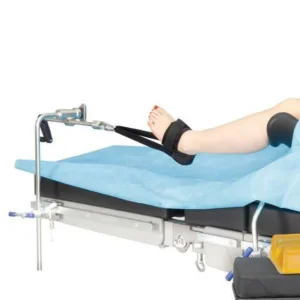
Orthopedic procedures involve heavy fluid irrigation and physical forces. Drapes in this category feature heavy-duty fabrics, reinforcing patches around the joints, integrated elastic film apertures to hug extremities securely, and fluid collection pouches to handle copious volumes of saline wash.
Cardiology drapes are characterized by dual-radial fenestrations, control panel covers, and transparent side panels. This setup permits easy visual monitoring of the patient and allows medical staff to adjust diagnostic imaging equipment without contaminating the sterile field.
C-section and lithotomy drapes require integrated fluid collection pouches with filters and drainage ports. These help track maternal blood loss accurately, manage high volumes of amniotic fluid, and maintain an dry surgical zone.
Healthcare institutions often request modifications in size, fenestration positions, adhesive width, or integrated hook-and-loop tube holders. Through Bopull Medical's robust technical department, we develop exact prototype drawings, verify them against surgical workflows, and scale manufacturing to meet custom supply agreements.
Essential insights for hospital purchasing networks, medical distributors, and supply-chain professionals.
Sourcing surgical drapes from Chinese manufacturers involves evaluating more than just unit costs. Professional procurement teams calculate the Total Cost of Ownership (TCO) by assessing quality, shipping safety, customs duty structures, and risk mitigation. Consider the following steps when optimizing your international medical supply chain:
Choosing lowest-cost bids from uncertified brokers often leads to high batch rejection rates, compromised barrier integrity, and lint shedding. Partnering directly with certified entities, like HUL Healthcare, ensures compliance with GB/T42061-2022 and ISO 13485 standards, drastically lowering risk profiles.
Drapes must withstand long sea voyages without absorbing moisture. Standard requirements mandate double-bag sterile barrier packaging, heavy-duty moisture-proof corrugated shipping cartons, and palletization to minimize manual handling damage at port hubs.
Unexpected shifts in surgical volumes require flexible manufacturer capacity. Evaluating a supplier's raw fabric reserve capacity, automated folding machine uptime, and direct links with sterilizing service providers helps predict delivery performance during high-demand periods.
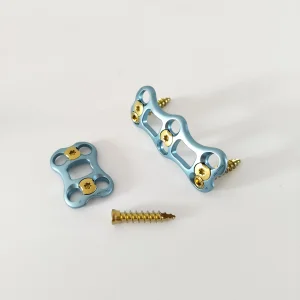
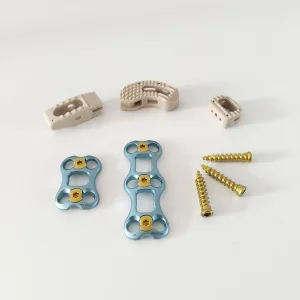
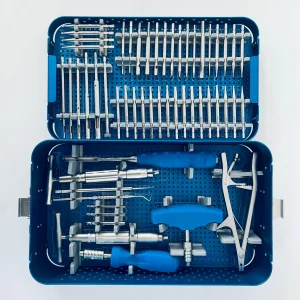
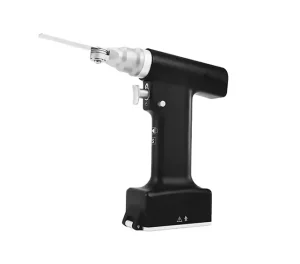
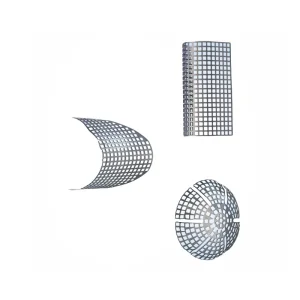
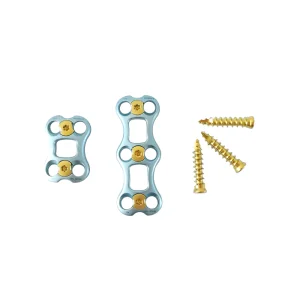
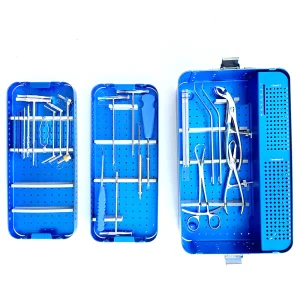
Providing clinical support with surgical drapes alongside specialized surgical implants, power tools, and fixing systems.
Expert technical answers regarding compliance, specifications, customization, and logistical procedures.
 HUL Healthcare Limited