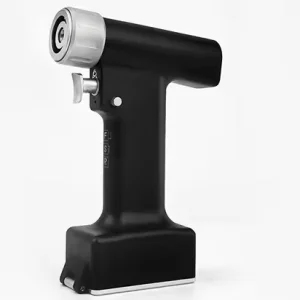
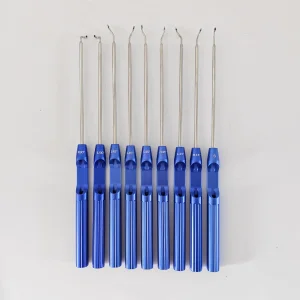
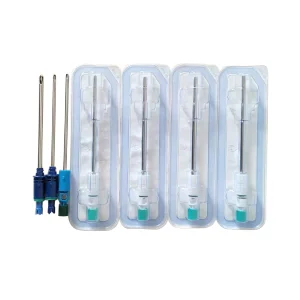
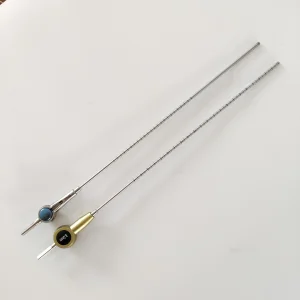
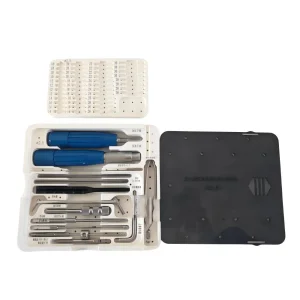
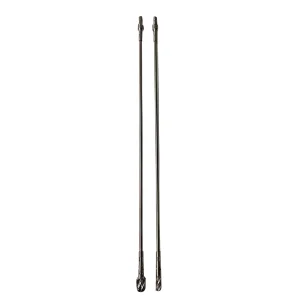
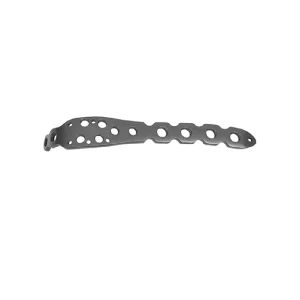
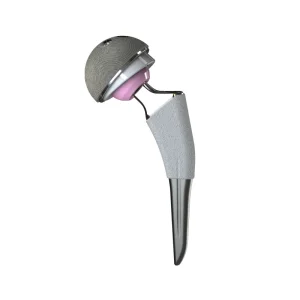
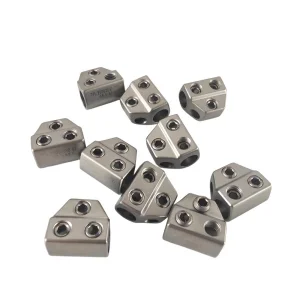
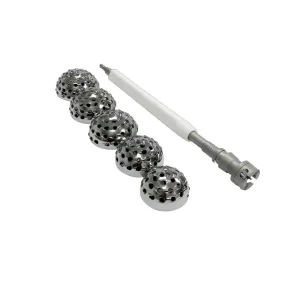
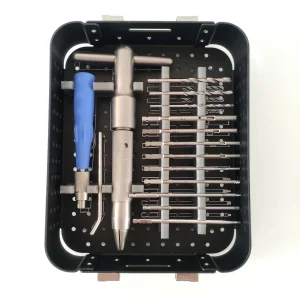
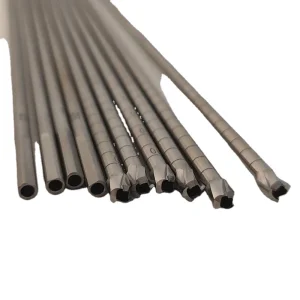
Explore our premium orthopedic, vertebral, and veterinary surgical components manufactured under rigorous ISO standards.
A comprehensive examination of clinical parameters, polymer technologies, and macroeconomic factors shaping the intravenous catheter market.
Intravenous (IV) cannulas, or peripheral intravenous catheters (PIVCs), remain the most widely utilized invasive medical devices in modern healthcare, with billions of units deployed globally each year. As hospitals and clinical settings undergo technological transitions toward safety-engineered medical devices to prevent needlestick injuries (NSIs) and reduce clinical complications like thrombophlebitis, the pressure on international manufacturing ecosystems has surged. sourcing coordinators, distributors, and large-scale hospital networks are shifting their attention to high-precision manufacturing corridors in China to balance unit economics with stringent biocompatibility requirements.
In the contemporary regulatory climate, sourcing an IV cannula is no longer merely a transactional purchase of medical plastics. It requires deep technical alignment regarding catheter material selection, needle grinding geometries, lubricity coatings, and sterilization reliability. As a leading medical technology partner, Shenzhen HUL Healthcare Technology Co., Ltd. (also operating under Bopull Medical) bridges the gap between cost-efficient mass manufacturing and rigorous regulatory compliance, operating under the international quality standard GB/T42061-2022 / ISO13485:2016.
Globally, the commercial landscape is bifurcated. On one hand, mature markets (North America, European Union) demand highly automated "safety-shielded" systems, where the needle is automatically encased upon withdrawal. On the other hand, developing medical markets utilize traditional ported and non-ported designs but require higher durability and material safety to limit hospital-acquired infections (HAIs). Navigating this complex global terrain demands manufacturers possess both specialized engineering capabilities and verified cleanroom infrastructures.
An in-depth look at the polymeric materials, tip processing methodologies, and needle geometries that dictate clinical success.
The baseline criteria for assessing IV cannula quality lies in its physical composition and ease of entry. Modern clinical standards require a balance between rigidity (for initial insertion) and flexibility (to prevent mechanical phlebitis once in the vein).
FEP remains the industry standard for traditional catheters. It exhibits excellent chemical resistance, low friction coefficients, and high rigidity during the initial puncture. However, it retains a shape memory, meaning kinked lines must often be replaced entirely.
PUR represents the premium segment of IV cannulation. Thermosensitive PUR catheters soften once inside the vascular environment, conforming to the natural pathway of the vein. This reduces mechanical irritation to the vascular wall by up to 60%, significantly extending indwelling times.
The puncture needle is fabricated from high-tensile AISI 304 stainless steel. The tip utilizes a triple-bevel or back-cut design to minimize skin resistance and tissue trauma. A micro-layer of medical-grade silicone is applied to the needle to guarantee minimal friction and zero-stick insertion.
Below is a technical comparison of the material parameters used in our manufacturing pipelines. Sourcing teams should review these metrics to align with local clinical requirements:
| Gauge Size | Outer Diameter (mm) | Catheter Length (mm) | Water Flow Rate (ml/min) | Primary Clinical Application |
|---|---|---|---|---|
| 14G (Orange) | 2.1 | 45 | 290 - 310 | Trauma, Rapid fluid resuscitation, Surgery |
| 16G (Grey) | 1.8 | 45 | 180 - 200 | Emergency room, surgical fluid delivery |
| 18G (Green) | 1.3 | 32 / 45 | 85 - 95 | Blood transfusions, general parenterals |
| 20G (Pink) | 1.1 | 32 | 60 - 65 | General clinical wards, routine hydration |
| 22G (Blue) | 0.9 | 25 | 33 - 38 | Pediatric, oncology, elderly patients with fragile veins |
| 24G (Yellow) | 0.7 | 19 | 18 - 22 | Neonatal intensive care units (NICU), pediatrics |
Optimizing infusion systems and ancillary surgical tools to match localized therapeutic guidelines and critical care demands.
Infusion protocols vary widely across different jurisdictions due to variations in healthcare infrastructure, patient demographics, and regulatory frameworks. Sourcing the right IV cannula design is heavily dependent on the clinical environment where they will be deployed:
1. High-Acuity Emergency and Trauma Medicine: In fast-paced trauma environments, high-flow access is critical. Large-bore cannulas (14G and 16G) are required to deliver high volumes of blood products or crystalloid fluids rapidly. Manufacturers must ensure the catheter wall thickness is uniform to prevent collapse under gravity or automated pressure infusors.
2. Pediatric and Neonatal Intensive Care (NICU): Infant and child patient groups present extremely fragile vascular pathways. These environments require 24G and 26G micro-cannulas. To ensure successful cannulation on the first attempt, our designs integrate ultra-sharp needle tips and transparent flash chambers, providing immediate visual feedback of successful venipuncture.
3. Veterinary Surgery & Animal Health: Veterinary clinics represent a fast-growing market segment. Animals require durable catheters that can withstand movement without dislodgement or kinking. Our product portfolio is highly aligned with comprehensive veterinary needs, linking advanced infusion catheters with dedicated veterinary surgical tools, including orthopedic bone saws, drills, and suture anchors, to support robust veterinary surgical operating suites.
4. Homecare & Long-term Infusion Clinics: With the rise of outpatient oncology clinics and home parenteral nutrition (HPN), safety-shielded and ported catheters are standard. The inclusion of needleless injection ports allows clinicians or home nurses to deliver bolus medications without interrupting continuous primary fluid lines.
Unlocking cost advantages, capacity scaling, and advanced quality control protocols with Shenzhen HUL Healthcare.
Sourcing medical devices globally demands extreme supply chain transparency. A major concern for procurement directors is the risk of contamination, batch-to-batch variation, or late deliveries. By utilizing Shenzhen HUL Healthcare's industrial infrastructure, global buyers leverage the strategic manufacturing ecosystem of southern China.
Our manufacturing partner, Bopull Medical, operates in strict compliance with the internationally recognized medical device standard ISO13485:2016. Every phase of production—from the initial high-purity polymer extrusion to the automated assembly of needle hubs and protective sleeves—occurs in class-certified cleanrooms.
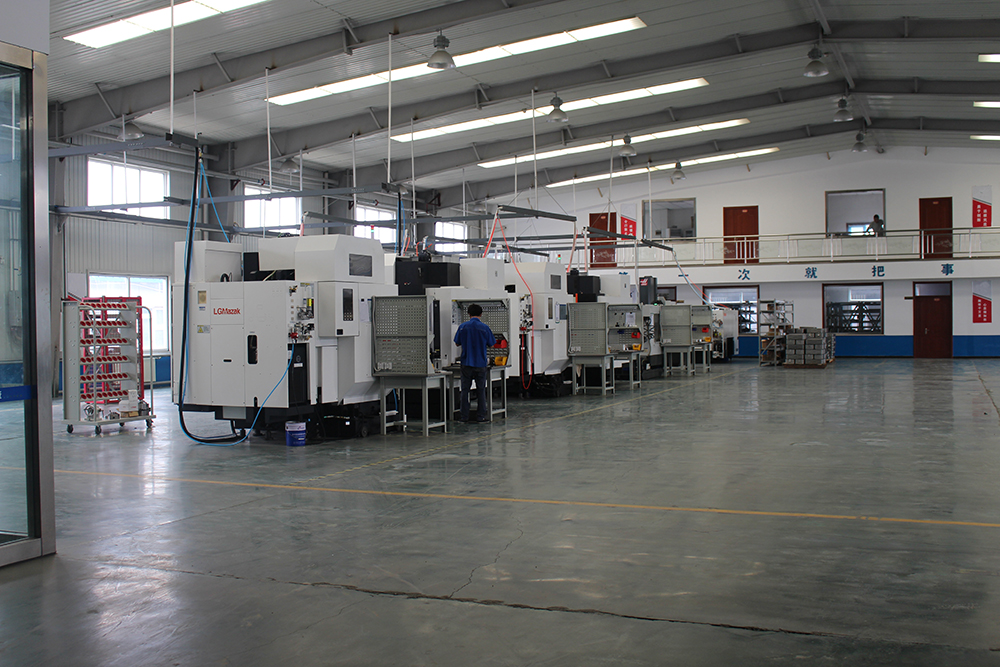
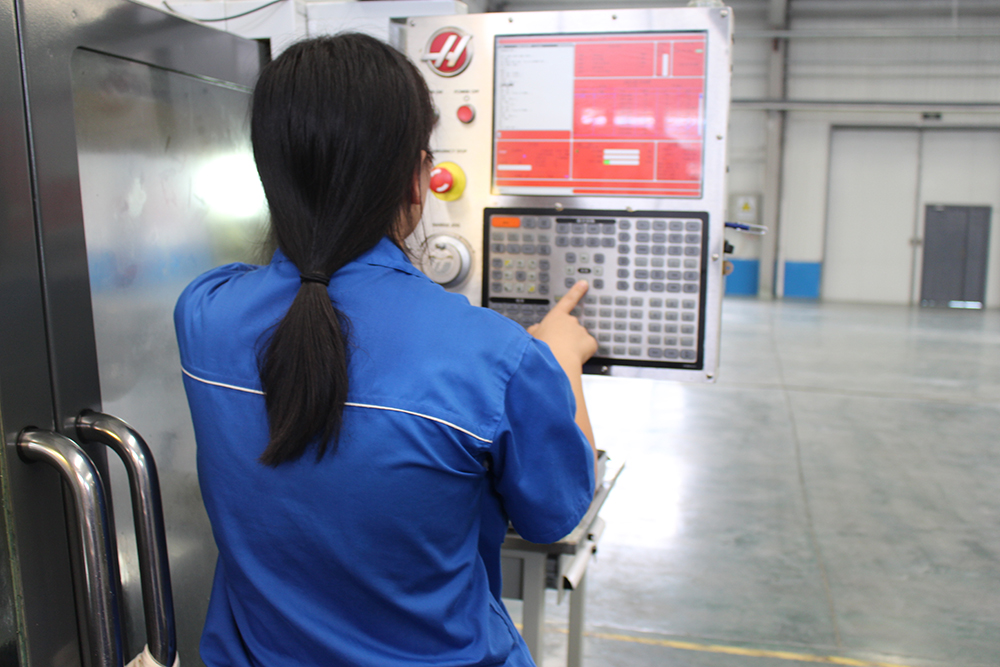
Our facility integrates automated vision inspection systems. Every single IV cannula is evaluated via high-speed cameras to verify tip concentricity, needle extension, and port sealing. This automated check eliminates human error, maintaining our remarkably low defect rate (under 50 ppm). Furthermore, the ethylene oxide (EtO) sterilization process is fully logged and verified, ensuring chemical residue levels are far below standard limits prior to shipment.
By maintaining a lean, vertically integrated manufacturing process and an experienced team of 301 to 500 professionals, we secure significant pricing efficiencies without compromising clinical performance. Whether you are executing a custom OEM project or bulk-importing standard safety IV cannulas, the logistics infrastructure of Shenzhen ensures fast container loading and rapid transit to global ports.
Next-generation designs: Antimicrobial barriers, needle-stick prevention, and smart digital integration.
The infusion therapy sector is moving towards completely closed clinical pathways. The ultimate objective is to reduce the risk of clinical infection and eliminate healthcare provider exposure to bloodborne pathogens.
Antimicrobial Coatings: Future iterations of our IV cannulas involve molecular integration of chlorhexidine or silver-sulfadiazine into the catheter polymer matrix. This slow-release mechanism prevents microbial biofilm colonization along the catheter sheath, dropping catheter-related bloodstream infections (CRBSIs) by more than 80%.
Closed System IV Catheters: By integrating a built-in blood control septum inside the catheter hub, we are developing systems where fluid flow is completely blocked until a male Luer slip or Luer lock connector is engaged. This completely prevents blood leakage during the insertion process.
Bio-absorbable and Smart Sensors: Emerging clinical trials are pointing toward the integration of thin-film sensor arrays on the catheter tip. These micro-sensors monitor localized pH, pressure changes, and temperature variations, giving clinical teams early warnings of extravasation or phlebitis before visible skin changes occur.
Essential guidance on regulatory standards, material selection, custom OEM configurations, and minimum order requirements.
We are certified under GB/T42061-2022 and ISO13485:2016, which are the harmonized international standards for medical device quality management systems. Our production lines conform to strict cleanroom requirements, and we supply documentation to support regulatory approvals in major import markets.
From a clinical perspective, Polyurethane (PUR) is superior due to its thermosensitive properties. It softens inside the blood vessel, minimizing vascular injury and allowing for extended indwelling periods. However, FEP is highly requested for short-term infusions and offers a more economical price point for bulk municipal healthcare tenders.
For standard configurations, shipping can be executed within 30 to 45 days. For specialized OEM orders (e.g., custom colors, specific packaging configurations, or customized gauge lengths), the mold fabrication and validation process generally takes 60 to 90 days. We maintain an average response time of under 3 hours to expedite technical queries.
All components are molded, processed, and packaged inside certified Cleanrooms (Class 100,000 / ISO Class 8 equivalent or higher). The air is continuously filtered via HEPA systems, and humidity/temperature metrics are tightly monitored. Following assembly, products undergo a validated Ethylene Oxide (EtO) sterilization cycle to guarantee a Sterility Assurance Level (SAL) of 10^-6.
The flashback chamber allows the nurse or veterinarian to see blood flow back immediately when the needle tip enters the vein. A porous hydrophobic filter plug at the back of the chamber allows air to escape while stopping blood leakages. This feedback is critical for successful cannulation, especially when dealing with pediatric or small animal patients.
Complete instrumentation systems, flexible reamers, and spinal implants engineered to work seamlessly alongside our clinical systems.
 HUL Healthcare Limited