High-end medical manufacturing conforming to ISO 13485:2016 standards, delivering reliability across orthopedic, arthroscopic, and active cardiac support systems.
The international cardiac rhythm management (CRM) ecosystem is undergoing a dramatic shift. Historically dominated by a few multinational conglomerates in North America and Western Europe, the research, manufacturing, and distribution of cardiac pacemakers and related high-precision implantable surgical instruments have migrated towards China's advanced industrial hubs. Chinese wholesale pacemaker manufacturers and exporters are leading this transition, supported by extensive state-backed R&D, robust medical-grade supply chains, and stringent compliance structures matching FDA, CE, and ISO 13485 metrics.
For global medical distributors, hospital procurement boards, and commercial OEM partners, sourcing pacemakers and peripheral active implantable medical devices (AIMDs) from China is no longer merely a cost-reduction strategy. Today, it represents a commitment to high-tech innovation, supply chain resilience, and precise engineering. With advanced microelectronics integration, biocompatible materials processing, and specialized orthopedic-surgical instrumentation systems, Chinese exporters are well-equipped to meet the diverse demands of the global healthcare sector.
Utilization of advanced ultra-low-power Integrated Circuits (ICs), digital signal processing (DSP), and long-lifetime telemetry modules ensuring stable pacing therapy for bradycardia, tachyarrhythmia, and cardiac resynchronization.
Premium grade 5 titanium enclosures, laser-welded with zero-defect tolerance. Biocompatible silicone feedthroughs and lead insulators tested in compliance with ISO 10993 standards to prevent adverse immune responses.
Advanced Lithium Carbon Monofluoride (Li/CFx) or Silver Vanadium Oxide (SVO) chemistry configurations delivering operational lifespans of up to 10–15 years, coupled with predictive battery depletion monitoring.
Mapping the transition from standard transvenous single-chamber designs to next-generation autonomous leadless systems.
Focuses on dual-chamber pacing with integrated accelerometer sensors that modulate the pacing rate based on the patient's physical activity. Chinese manufacturers utilize proprietary algorithms to filter noise and artifacts, preventing inappropriate tachyarrhythmia pacing.
The next generation of pacemaker technology avoids venous access routes and pockets altogether. Directly anchored inside the right ventricle via active-fixation tines, these ultra-miniature capsules are delivered percutaneously through a femoral vein catheter. Chinese R&D centers are currently commercializing localized leadless systems designed to operate safely inside standard 1.5T and 3.0T MRI environments.
Ongoing research into self-powered active implantable systems that harvest kinetic energy directly from myocardial contractions. This breakthrough will mitigate the need for repeated replacement surgeries, dramatically reducing patient risk and long-term healthcare system costs.
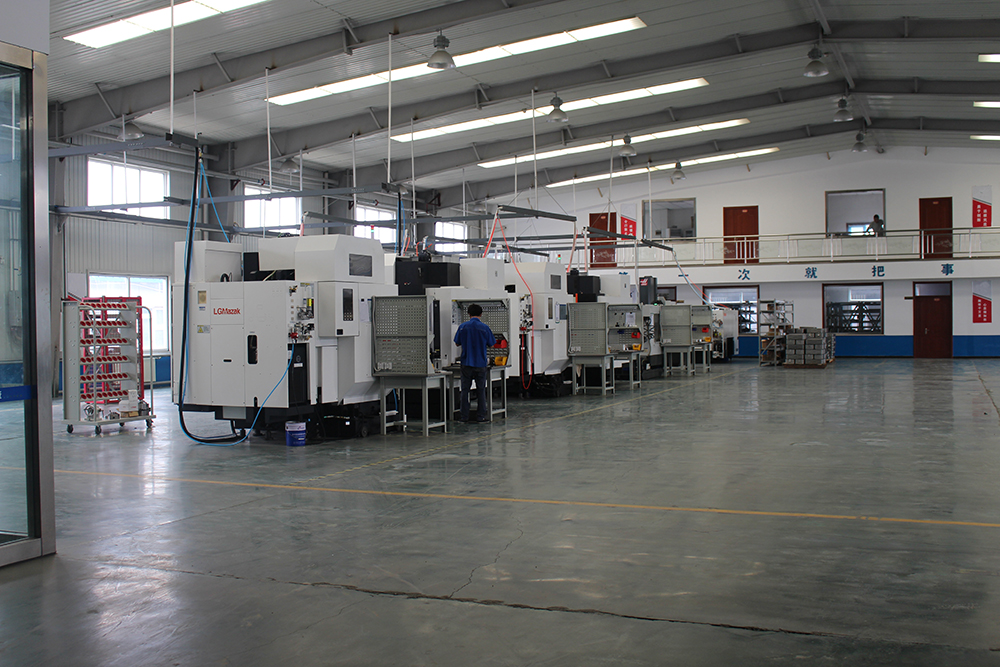
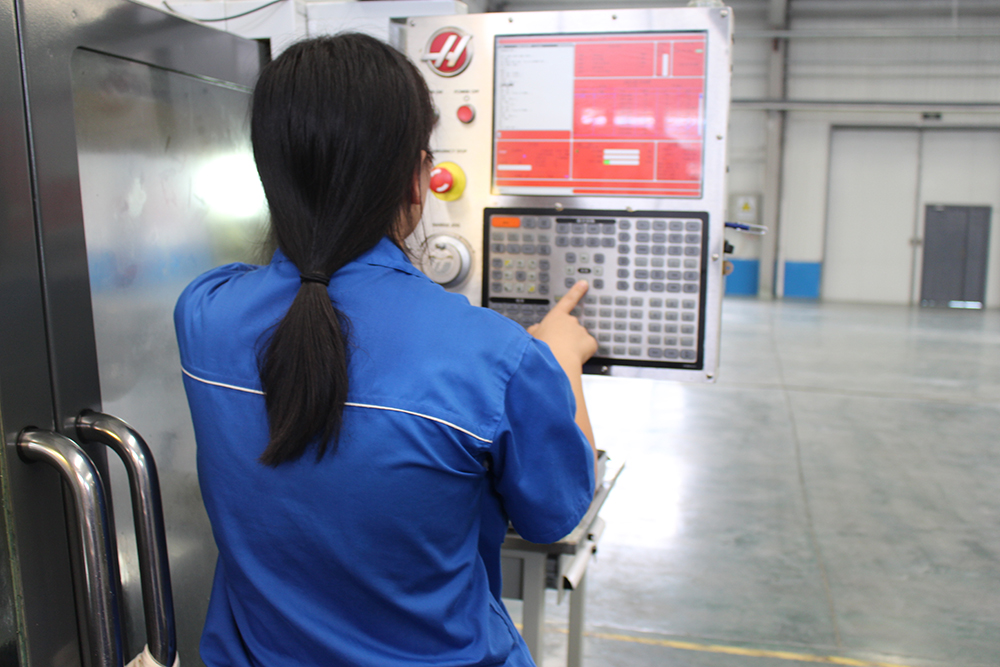
Operating from technological corridors like Shenzhen and Beijing, enterprises such as Shenzhen HUL Healthcare Technology Co., Ltd. (Bopull Medical) exemplify China's specialized medical supply networks. Under the strict protocols of GB/T42061-2022 idt ISO13485:2016, these facility infrastructures integrate high-precision micro-machining, cleanroom assembly, and automated software validation.
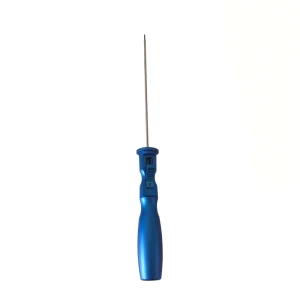
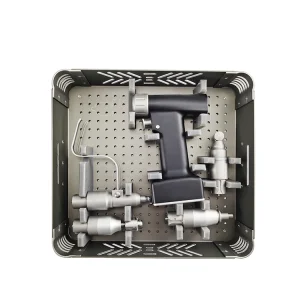
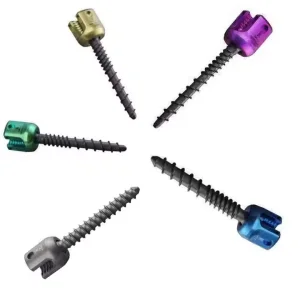
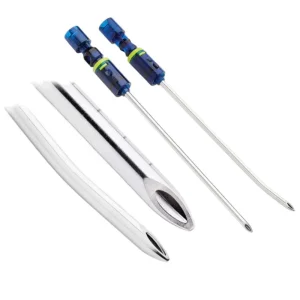
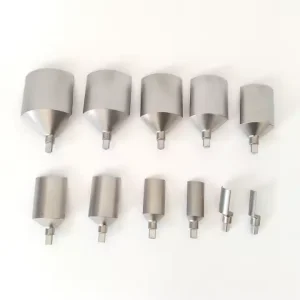
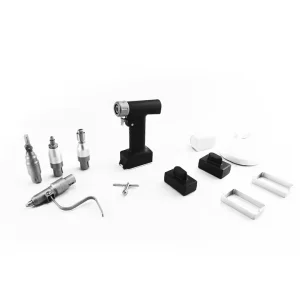
Bopull Medical maintains a multi-disciplinary manufacturing presence. With a workforce of 301 to 500 people and advanced cleanrooms, they manufacture precision active medical components alongside high-caliber surgical tools (TPLO oscillating saws, orthopedic systems, and arthroscopic shavers). This structural flexibility ensures that whether exporting implantable pacemakers or orthopedic instruments, every batch is verified for hermetic integrity, material purity, and performance consistency.
Addressing regulatory requirements, hospital purchasing patterns, and specialized veterinary clinical applications.
Global buyers face unique challenges when importing clinical-grade active implantable devices and related instrumentation. Regulatory frameworks vary by jurisdiction, and the demand for cross-compatible surgical support kits has risen sharply. To address these demands, Chinese manufacturers provide targeted solutions across three primary verticals:
Supplying national health agencies and medical distributors with cost-effective, high-reliability pacemakers. All products feature dual-chamber functionality, remote monitoring capability, and MRI compatibility to ease localized registration.
Meeting the growing global demand for advanced veterinary care. Chinese exporters offer specialized pacing systems and orthopedic surgical setups (like SOP Pearl Plates and TPLO tools) optimized for canine and feline patients.
Providing comprehensive design-to-manufacture pathways for medical device brands. Services include customized software user interfaces, variable battery cell capacities, and tailored packaging configurations.
Importing medical devices requires navigating complex regulatory standards. To maintain compliance and build trust in competitive international markets, leading exporters adhere to strict quality management guidelines:
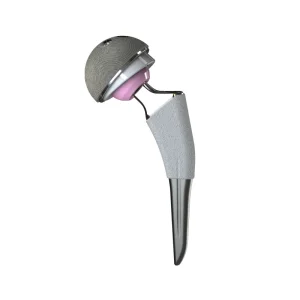
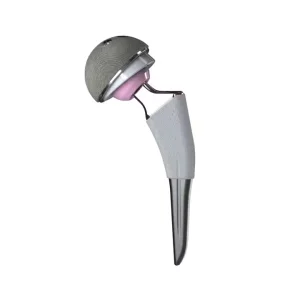
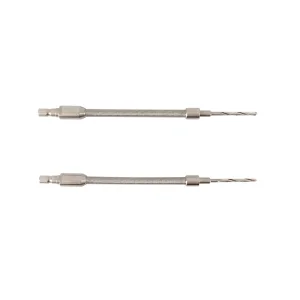
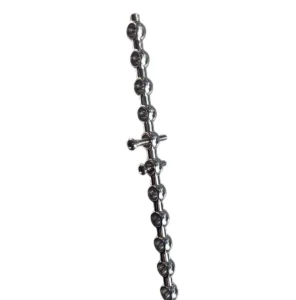
Robust surgical power tools, implants, and joint reconstruction technologies for comprehensive clinical operating theaters.
Technical and logistics insights regarding wholesale sourcing, regulatory verification, and manufacturer capabilities.
 HUL Healthcare Limited