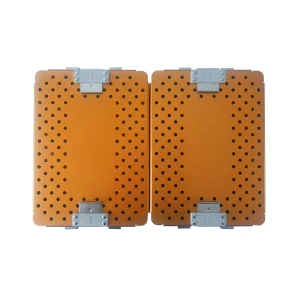
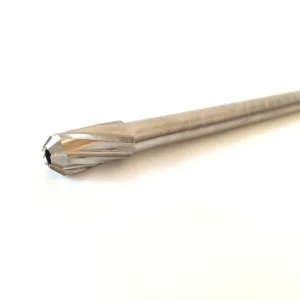
The global demand for Robotic Surgical Systems and high-precision orthopedics is witnessing a monumental transformation. Healthcare facilities, GPOs (Group Purchasing Organizations), and distribution networks are shifting from traditional manual instruments to integrated, robot-compatible medical assemblies. This structural shift is propelled by the clinical imperative for minimally invasive surgeries (MIS), sub-millimeter anatomical precision, and shorter patient recovery windows.
Sourcing departments are prioritizing ISO 13485:2016 and CE-marked components that guarantee bio-compatibility, trackable material certs, and complete sterilization validation protocols.
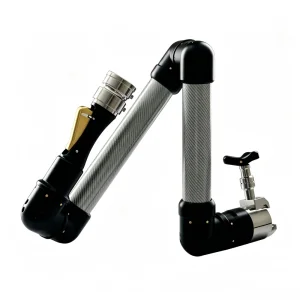
Modern surgical robotics systems demand absolute hardware-software synergy, requiring end-effectors, orthopedic drills, and implants to interface seamlessly with mechanical controllers.
By partnering directly with verified Chinese manufacturing centers, global OEMs reduce total cost of ownership (TCO) by 30-50% while maintaining the highest engineering thresholds.
Surgical robotics relies heavily on the optimization of mechanical linkages, high-frequency surgical generators, and biocompatible implant systems. The integration of robot-assisted spinal surgery, arthroscopic traction, and smart drilling assemblies defines the current engineering frontier.
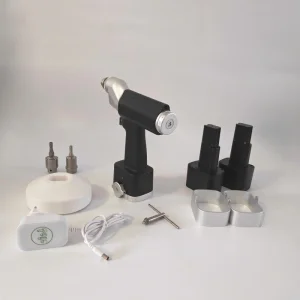
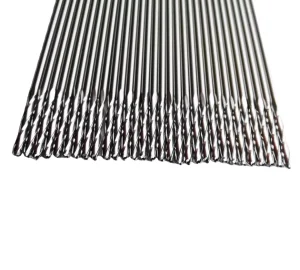
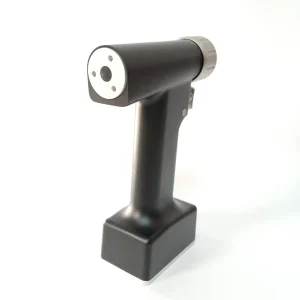
Modern surgical systems incorporate high-performance micro-motors capable of delivering precise torque profiles. For instance, orthopedic drills feature smart sensors that automatically cease rotation upon detecting cortical bone breach, mitigating soft tissue injury.
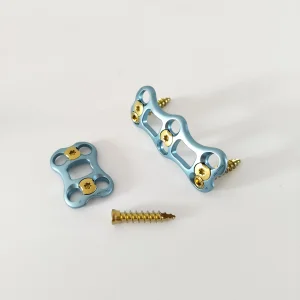
Implantable pedicle screw systems, cervical plates, and interference screws utilize grade-V titanium alloy (Ti-6Al-4V ELI) and PEEK. Advanced surface treatment (anodic oxidation, sandblasting) ensures optimal osteointegration and minimizes wear debris.
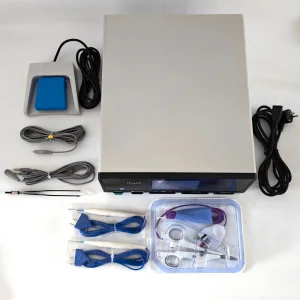
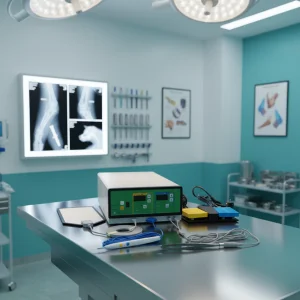
Integrating electrosurgical platforms within a robotic housing requires high electromagnetic compatibility (EMC). Coagulation and ablation modules must run concurrently with robotic sensors without signal distortion.
Bopull Medical operates strictly under domestic and international regulatory regimes. Having achieved the GB/T42061-2022 idt ISO13485:2016 international standard certification, our operations ensure that every orthopedic implant, electrosurgical unit, and veterinary precision set complies with strict global requirements.
Through strategic procurement of advanced precision tooling, computerized CNC mills, and cleanroom automated assembly configurations, HUL Healthcare provides custom solutions that exceed original equipment manufacturer expectations. Our cross-functional team of biomechanical engineers and quality assurance specialists ensure zero-defect production pathways for global distribution.
| Business Model | Manufacturing & Strategic Trading Partnerships |
|---|---|
| Annualized Revenues | US$1.0 Million - US$2.5 Million |
| Headquarters & Hubs | Beijing & Shenzhen, China |
| Key Markets Served | North America, EU, Southeast Asia, South America |
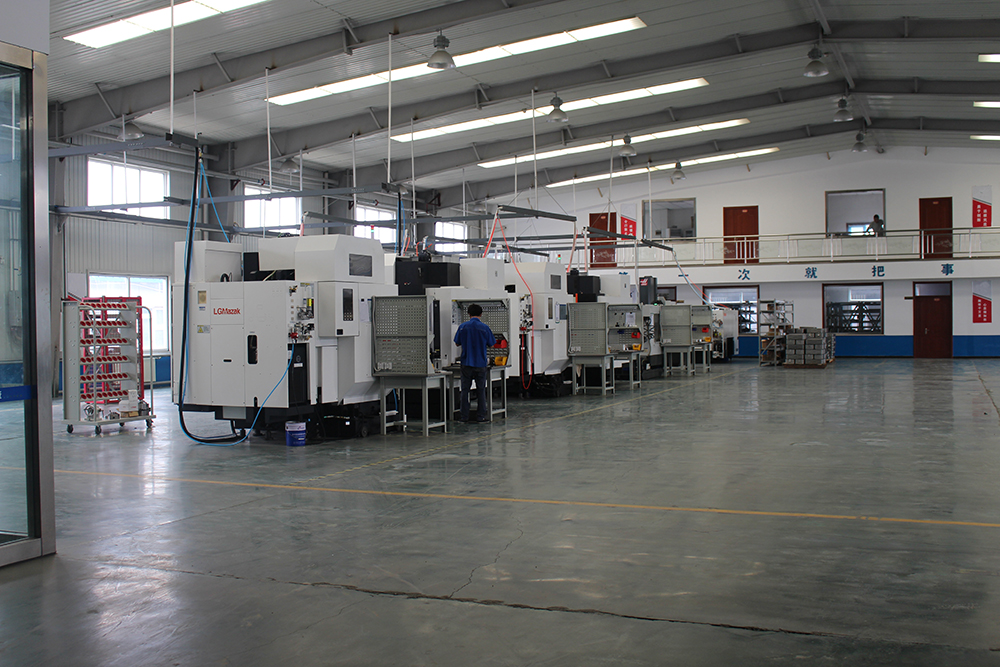
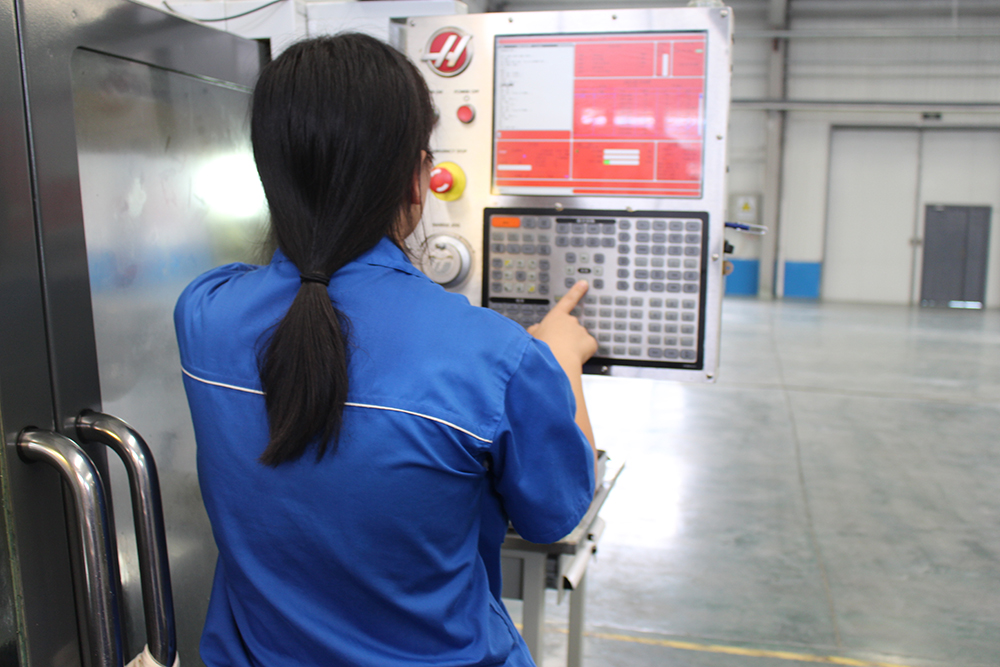
We offer standard and custom OEM/ODM solutions tailored for human clinical, research, and veterinary surgery environments, utilizing high-grade manufacturing and stringent QC procedures.
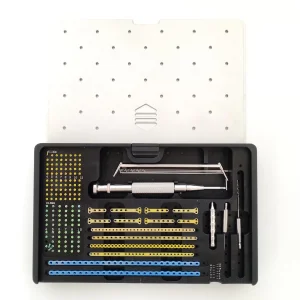
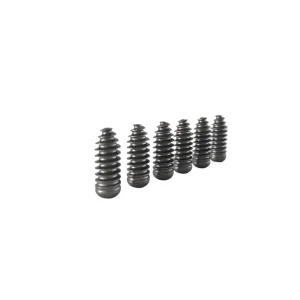
Complete posterior internal screw-rod fixation systems and anterior cervical plates. Engineering details include self-tapping thread geometries, variable-angle pedicle screw capability, and optimized profile heights to limit adjacent-segment disease.
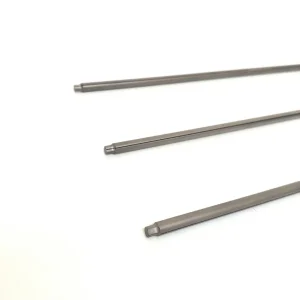
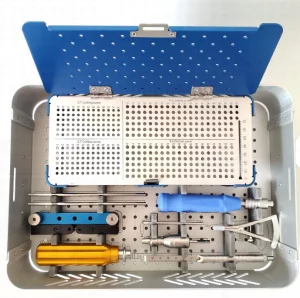
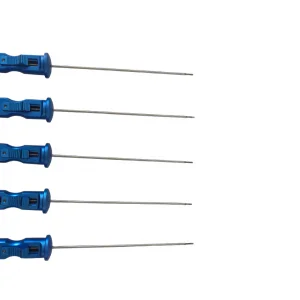
Power tools designed with integrated sensor interfaces for surgical robotic consoles. This includes battery-operated high-speed drills, cannulated drivers, and modular quick-connect attachments designed for sterilizable surgical environments.
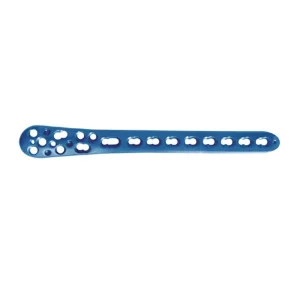
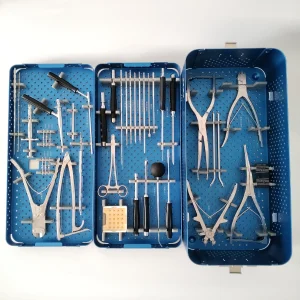
Advanced veterinary plates, locking compression plates (LCP), and dedicated instrument configurations designed specifically for canine and feline anatomical configurations, paired with modular sterilization systems.
 HUL Healthcare Limited