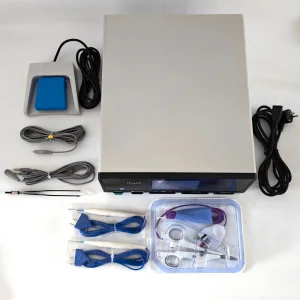
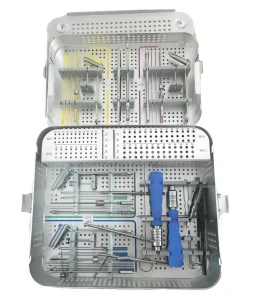
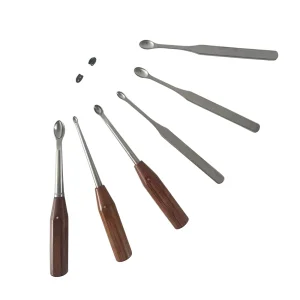
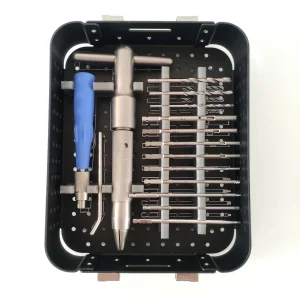
Engineered to exact clinical parameters, our products support advanced surgical, orthopedic, and arthroscopic workflows.
Understanding the technical requirements, market expansion, and supply chain strategies driving modern minimally invasive surgery (MIS).
The global endoscopic and orthopedic device market is undergoing a structural paradigm shift. Driven by clinical preferences for Minimally Invasive Surgery (MIS), healthcare systems worldwide are prioritizing solutions that decrease recovery times, minimize post-operative complications, and lower hospital stays. According to current medical device industry intelligence, the demand for integrated endoscopy systems and advanced surgical instruments is expanding at an unprecedented compound annual growth rate (CAGR).
At the center of this transformation lies the requirement for high-precision components and sub-assemblies. Original Equipment Manufacturers (OEMs) and contract manufacturers must navigate strict global regulations while providing continuous innovation in optics, mechanical linkages, electrosurgical power distribution, and biocompatible materials. The manufacturing pipeline requires specialized expertise in micro-machining, advanced metallurgical treatments, and medical-grade polymers to satisfy the demands of dynamic surgical operations.
The rise of Ambulatory Surgical Centers (ASCs) and specialized outpatient clinics across North America and Europe has generated a strong demand for durable, multi-functional surgical instruments. Unlike tertiary care hospitals, ASCs operate with streamlined inventories and high turnover rates, requiring highly reliable tools that can withstand frequent autoclaving cycles and continuous mechanical stress.
B2B procurement programs must align with strict compliance architectures, including the European Union Medical Device Regulation (EU MDR 2017/745) and US FDA 510(k) clearances. Custom OEM exporters must supply comprehensive design history files (DHF), risk management reports (ISO 14971), and validated sterilization certifications to ensure smooth custom clearings and regulatory approvals in international markets.
For custom orthopedic implants and endoscopic visual adapters, dimensional tolerances are measured in single-digit microns. A minor defect in a reamer's shaft geometry or an arthroscopic camera adapter's alignment can cause structural failures or operational issues. Utilizing advanced metrology, CNC mills, and strict quality gates is non-negotiable for medical manufacturing exporters.
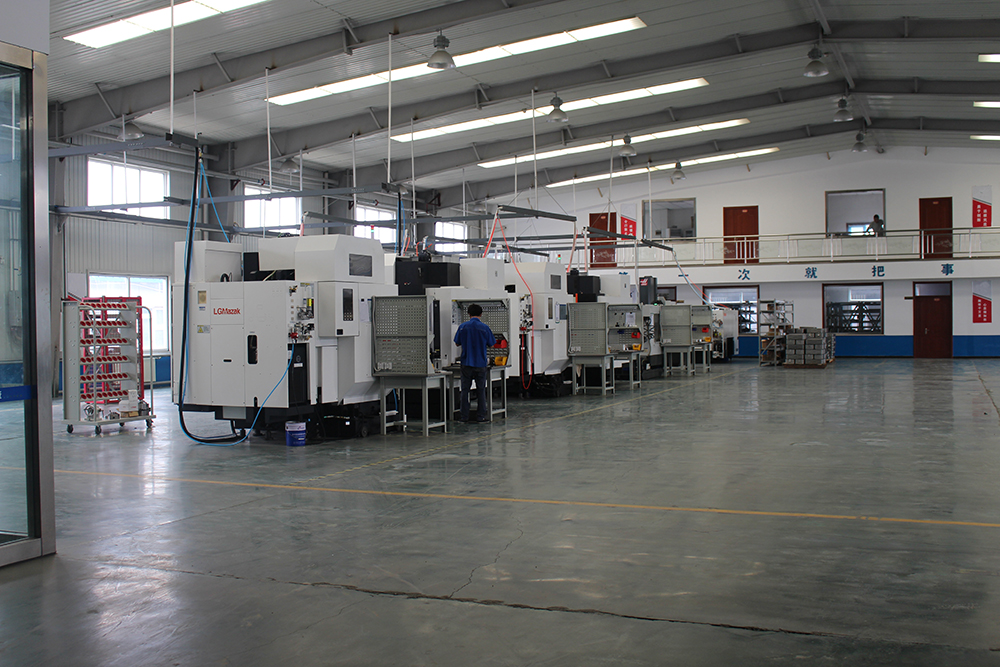
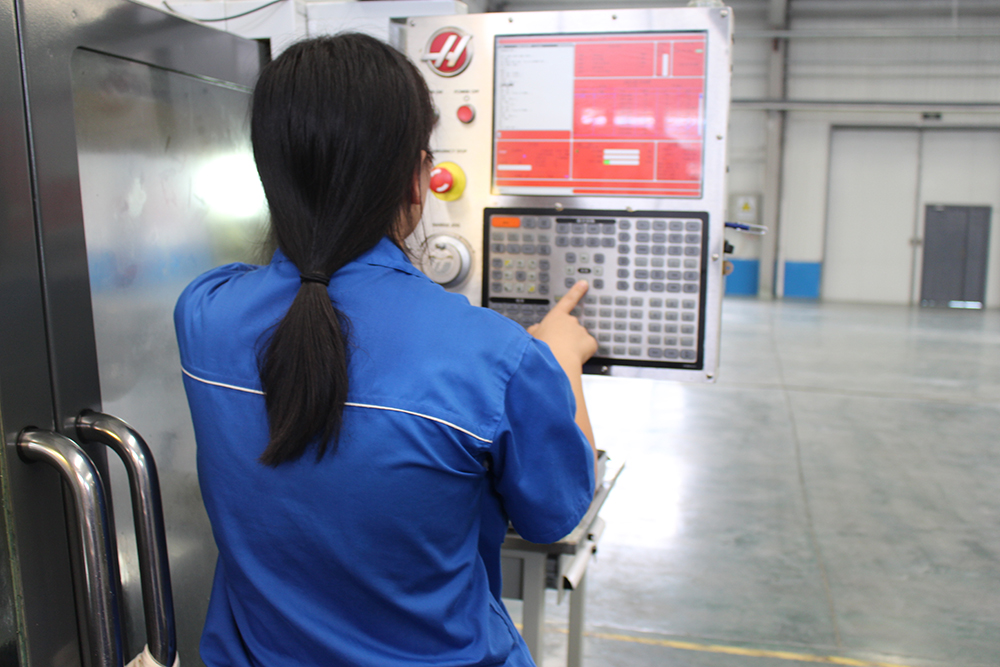
Bopull medical has been strictly operating in accordance with international medical laws, regulations, and standard management practices. Having successfully passed the GB/T42061-2022 idt ISO13485:2016 quality management system certification, we focus on engineering complex technical solutions for our global B2B clients. Our pursuit of high manufacturing standards has established a trusted presence in the medical industry. By integrating advanced production machinery with a highly skilled, innovative engineering team, we supply OEM products that consistently meet and exceed client expectations for safety, precision, and durability.
The intersection of advanced materials science and high-speed signal processing is driving the next generation of endoscopic and orthopedic tools. Developers are transitioning from modular, analog assemblies to smart, integrated platforms that provide surgeons with real-time feedback during operations.
Key areas of development include ultra-high-definition imaging (4K and 3D endoscopes), chip-on-tip sensor architectures, and solid-state LED illumination integrated directly into the distal tip. These developments require ultra-thin biocompatible cables and optical lens positioners constructed from inert, non-magnetic materials like titanium and specialized cobalt-chromium alloys.
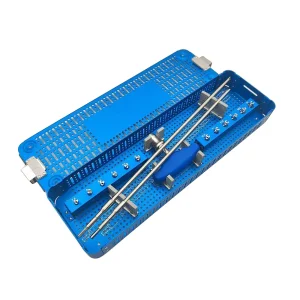
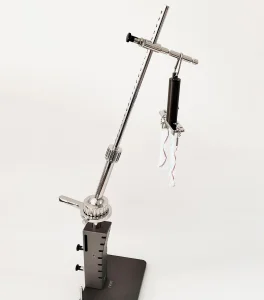
Furthermore, the convergence of arthroscopic systems with robotic-assisted surgery platforms demands that instruments handle high torsional loads while maintaining structural stability. Specialized traction rigs, such as the *Orthopedic Spider Support Arm*, must feature highly adaptable mechanical locks that lock instantly under sterile conditions to prevent spatial drift during delicate joint procedures.
Surgical tools must function reliably across diverse clinical environments. Our custom OEM products are optimized to support specific medical departments, ensuring high performance in complex procedures.
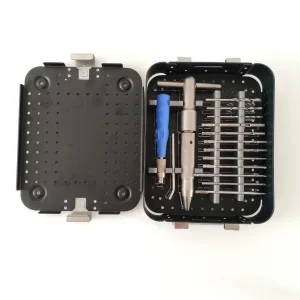
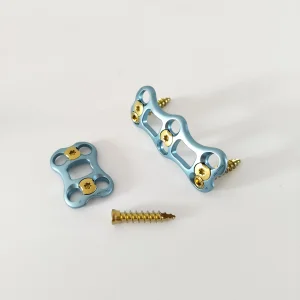
Spinal procedures demand robust fixation tools. Stainless steel pedicle screw instruments and anterior cervical plate sets must offer tactile feedback to the surgeon while ensuring accurate thread insertion. The instruments must be engineered to resist galling during high-torque manual driving, minimizing structural degradation during long-term surgical use.
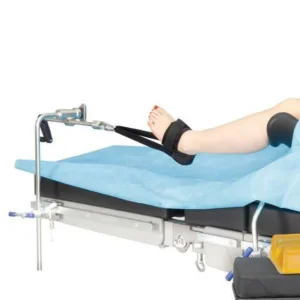
For wrist, ankle, and shoulder arthroscopies, spatial stability is critical. Traction frames and adjustable fixation systems must hold patient extremities in traction securely. By combining high-strength aluminum sterilization housings with cleanable joint components, these assemblies support rapid disinfection turnarounds between procedures.
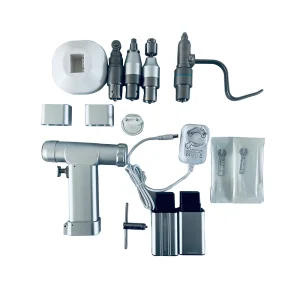
The veterinary market has experienced significant growth, shifting from basic tools to highly specialized veterinary orthopedic systems. Our custom product lines include specialized tools for broken screw removal, locking plate systems, and mini multi-functional orthopedic drills tailored for small animal anatomy. These instruments provide veterinary clinics with human-grade surgical tools optimized for specialized structural repairs.
Clear technical and operational answers to support your global procurement strategies.
Examine our advanced orthopedic sets, energy platforms, and specialized diagnostic instruments.
 HUL Healthcare Limited