Engineered to global standards with superior materials for trauma, joint replacement, and animal healthcare solutions.
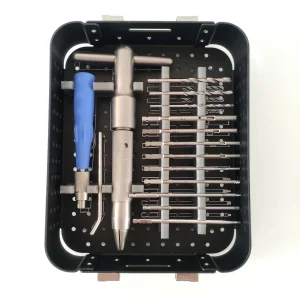
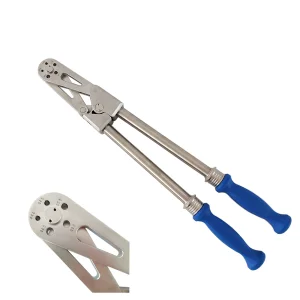
An analytical breakdown of advanced metallurgy, geometric requirements, and regulatory pathways governing wound closure markets.
The global surgical needle market represents one of the most critical sectors of the medical device industry. Surgical needles are not merely simple wire configurations; they are highly specialized, high-performance surgical elements designed to pass suture material through tissue with minimal trauma. The demand for surgical needles has transitioned from standard stainless steel components to complex micro-machined alloys capable of maintaining structural integrity and needle sharpness under extreme biological resistance. Today, global healthcare manufacturers and surgical device suppliers require custom OEM solutions that satisfy rigorous international quality metrics, including ISO 13485, CE marking, and FDA guidelines.
Modern surgical procedures command a diverse array of surgical needle profiles. Most professional suture needles are produced from 300-series (e.g., 302, 304, 316) or 400-series (e.g., 420, 455) medical-grade stainless steel. These alloys are selected for their superior tensile strength, ductility, and high corrosion resistance. The application of specialized proprietary siliconized coatings is standard, reducing the penetration force required by up to 40% compared to uncoated needles. Minimizing the force of penetration is critical, as it directly correlates to reduced tissue trauma, minimized post-operative inflammation, and accelerated patient recovery timelines.
OEM factories must deploy complex multi-stage grinding, heat treating, and chemical polishing processes to manufacture surgical needles with diverse cross-sections, including:
Why leading global medical companies partner with Chinese medical clusters for custom OEM/ODM production.
China has firmly established itself as the premier hub for global medical device manufacturing, driven by comprehensive supply chains, robust transport infrastructure, and highly skilled engineering talent. For surgical needles and corresponding orthopedic/trauma systems, Chinese factories offer an exceptional balance of production scale, precision engineering, and capital efficiency. Companies like shenzhen HUL Healthcare Technology Co., Ltd. (operating with rigorous standards, matching the quality footprint of Bopull medical) leverage advanced local technology ecosystems to deliver rapid prototyping and continuous volume production.
Furthermore, local optimization ensures that custom-designed OEM needles are not only precise but compatible with different attachment mechanisms. In suturing, the transition region between the needle and the thread is a crucial failure point. Modern laser-drilled needles allow for the insertion of suture filaments directly into the needle shank, followed by precise automated mechanical crimping (swaging). This design ensures a smooth, continuous outer diameter profile, significantly reducing the drag coefficient when moving through physiological tissues.
Bridging the gap between metallurgical engineering and high-stakes surgical procedures.
Surgical needles are utilized across multiple complex medical environments, each placing distinct mechanical demands on the needle structure:
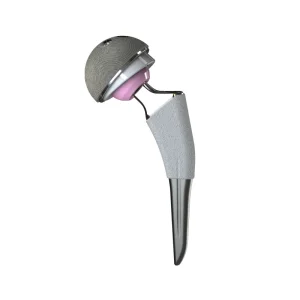
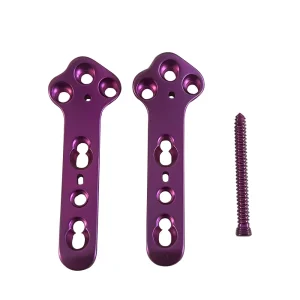
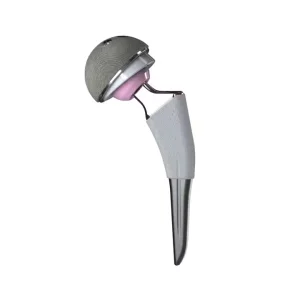
In major joint arthroplasties (such as total hip replacement or knee reconstruction) and fracture fixation, surgeons work with exceptionally tough fibrous structures, including periosteum, deep fascial sheets, and tendons. These procedures demand needles with massive bend resistance, exceptional hardness, and reverse-cutting profiles. A weak needle that bends mid-pass risks leaving unsealed layers and increases surgical time, directly affecting clinical outcomes.
Veterinary surgery involves highly varied tissue thicknesses and density. For instance, in dog TPLO (Tibial Plateau Leveling Osteotomy) or feline ligament repair, veterinarians need specialized suture kits designed for resilience. The instruments must be sterilizable, reliable, and cost-effective. High-grade OEM suppliers offer customized needle configurations matching veterinary-specific anatomical parameters.
The rise of microvascular anastomosis and ophthalmic surgeries has catalyzed the production of microscopic needles (diameters under 100 microns). These surgical needles require specialized laser micro-drilling techniques and ultra-fine chemical sharpening to prevent vascular tearing. Concurrently, the rise of robotic surgery requires needles that can be securely grasped by robotic end-effectors without deformation, which is driving innovation in high-yield-strength alloys.
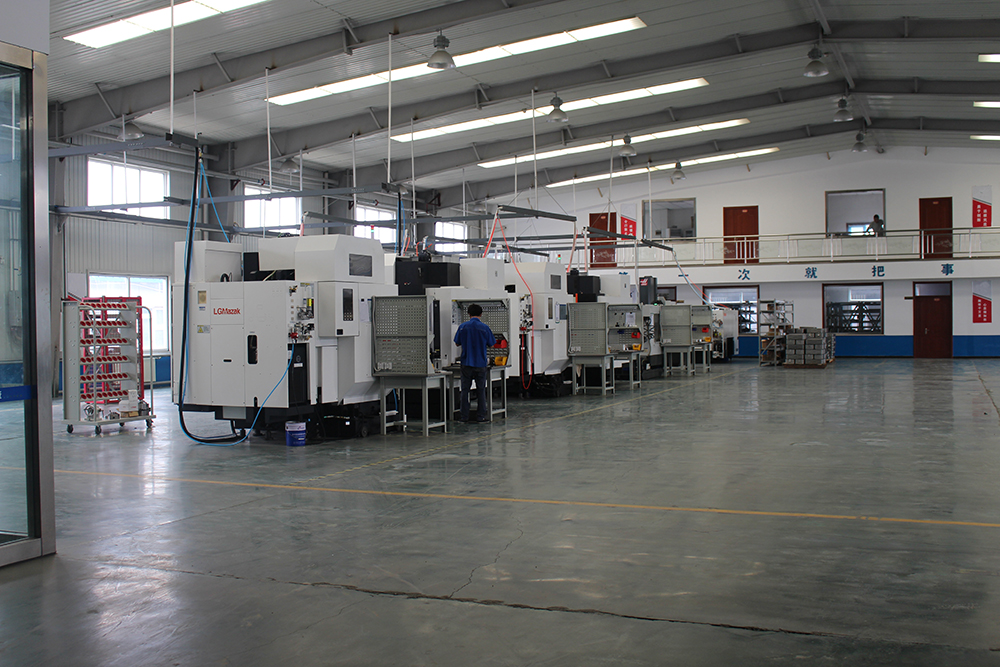
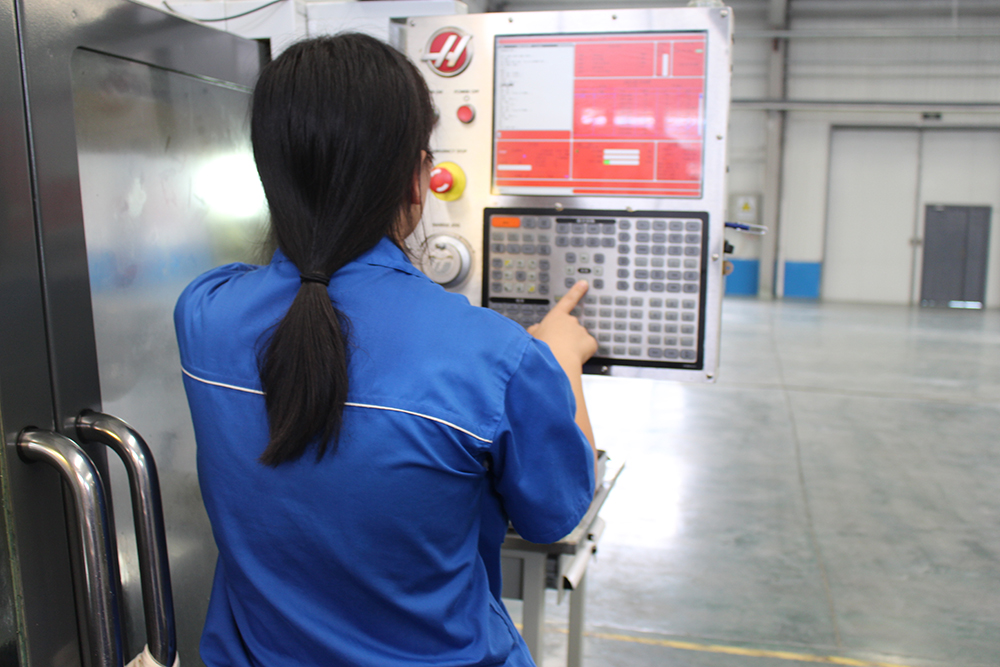
We are a leading developer and manufacturer of high-quality surgical instruments, orthopaedic implants, and custom OEM medical solutions. Operating under the highest international benchmarks, our facilities align strictly with laws, regulations, and quality standards. We have achieved compliance and passed the GB/T42061-2022 idt ISO13485:2016 quality management system international standard certification.
Our commitment is centered on solving customer technical challenges through innovation, precise metallurgical handling, and superior quality control. We deploy state-of-the-art inspection equipment and are supported by a dynamic, innovative engineering team. Our focus on product quality and clinical safety has earned high praise across the global medical instrument industry.
Operational guidelines for supply chain managers sourcing medical-grade needle and suture components.
Sourcing surgical needles and instruments requires detailed alignment between the procurement division and the quality assurance team. Because surgical needles are classified under high-risk medical regulatory frameworks in most jurisdictions, purchasing decisions must prioritize quality system certifications, metallurgical testing protocols, and mechanical performance guarantees.
Answers to critical questions regarding metallurgy, OEM services, and quality control protocols.
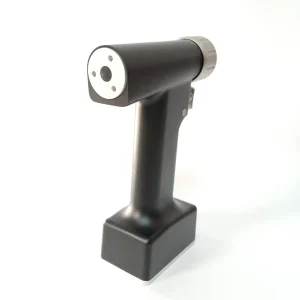
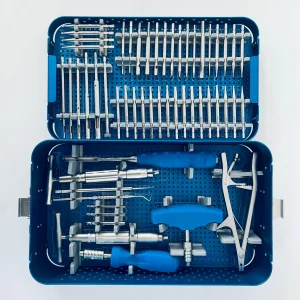
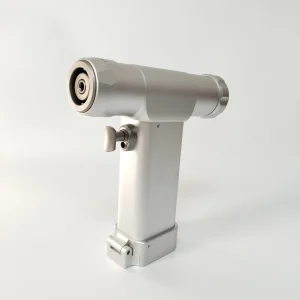
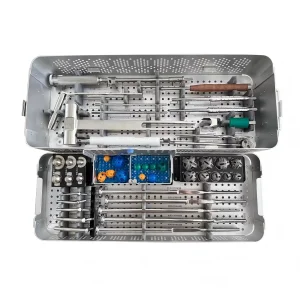
High-performance instrumentation designed to complement precision trauma and reconstructive procedures.
 HUL Healthcare Limited