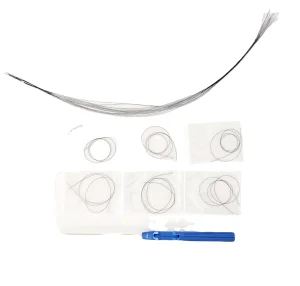
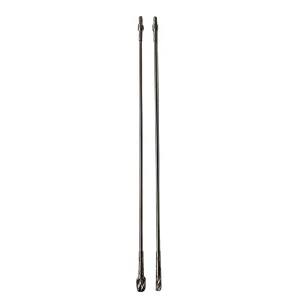
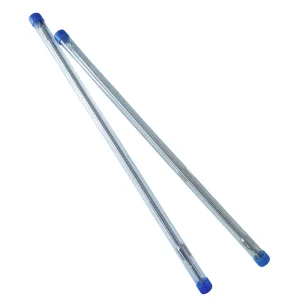
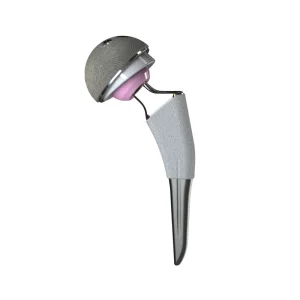
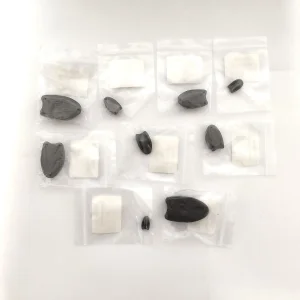
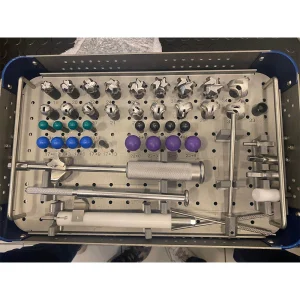
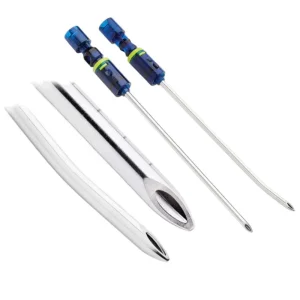
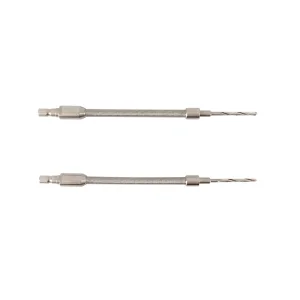
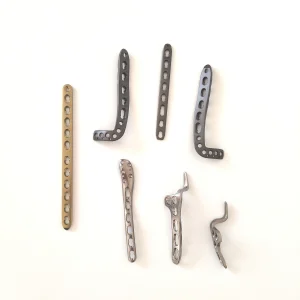
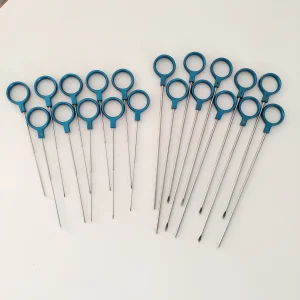
Highly compatible with advanced chemical sanitizing agents and thermal sterilization protocols to assure patient safety.
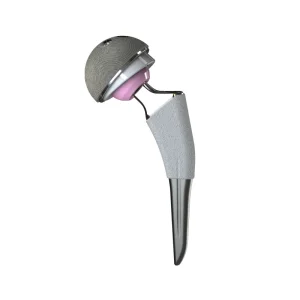
In the contemporary global healthcare ecosystem, preventing Healthcare-Associated Infections (HAIs) has evolved from a clinical goal into a regulatory and financial mandate. Sanitizing agents form the primary defense barrier against pathologically diverse microbial threats, including multi-drug resistant organisms (MDROs) such as MRSA and *Clostridioides difficile*. For high-stakes surgical environments—especially orthopedic implants, osteosynthesis instrumentations, and veterinary surgeries—the selection, configuration, and execution of chemical disinfection protocols directly determine surgical success and device longevity.
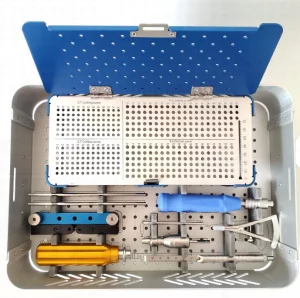
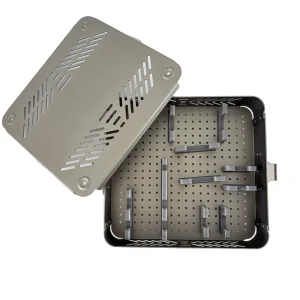
Shenzhen HUL Healthcare Technology Co., Ltd. (Bopull Medical) bridges the gap between implant metallurgy and chemical sanitization validation. By providing customized OEM/ODM sanitizing agent formulation strategies and sterilization boxes, we ensure that both surgical instruments and critical implants remain sterile, structurally sound, and biostable throughout their usage life cycles.
The global market for medical sanitizing agents and chemical sterilants is transitioning toward green chemistry and rapid-action profiles. According to recent epidemiological studies, the standard contact time required for classic disinfectants (typically 10 minutes) is no longer viable in high-throughput operating rooms. Healthcare centers are actively demanding fast-acting formulations (with 1-to-3-minute kill times) that offer broad-spectrum bactericidal, virucidal, fungicidal, and sporicidal efficacy.
Furthermore, supply chain resilience has become an essential consideration for procurement teams. As bulk medical exporters, we maintain diversified sourcing and localized packaging options that mitigate regional logistic vulnerabilities. Our global supply framework complies with the regulatory regimes of Europe, North America, and the Asia-Pacific, matching chemical stability specifications to localized logistics profiles.
Achieving disinfection without compromising the micro-structural integrity of medical devices is a core engineering challenge. The table below represents our material-compatibility matrix validated through extensive lab testing under simulated clinical conditions:
| Disinfectant Base Active | Surgical Alloy Compatibility | Polymeric Compatibility (PEEK, UHMWPE) | Corrosion Risk Index | Optimal Cycle Application |
|---|---|---|---|---|
| Peracetic Acid (PAA) | High (Buffered Formulations) | Excellent | Low-Medium | Cold chemical sterilizers for flexible endoscopes & drills |
| Ortho-phthalaldehyde (OPA) | Excellent | Good (Potential staining) | Negligible | High-level disinfection of manual basis sets |
| Quaternary Ammonium (QACs) | Excellent | Excellent | None | Environmental surfaces & external chassis disinfection |
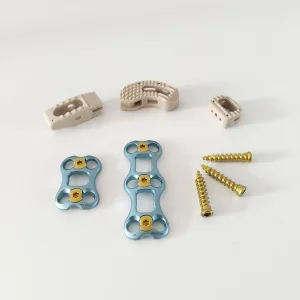
| Hydrogen Peroxide Vapor (VHP) | Superior (Passivated Alloys) | Excellent | Low | Terminal sterilization of orthopedic implants (Nitinol, Titanium) |
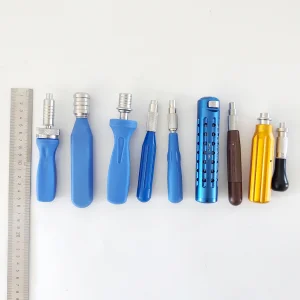
Selecting the appropriate formulation depends heavily on the device's metallurgical makeup. For instance, orthopedic instruments manufactured from grade-5 Titanium or surgical-grade 316L Stainless Steel are passivated using chemical treatments to form chromium oxide or titanium dioxide protective surface films. Using aggressive, unbuffered chlorine-based sanitizing agents can strip away these protective layers, causing stress-corrosion cracking and premature tool failure during bone osteotomies.
We research and manufacture tailored chemical formulations, modifying pH buffers, surfactant ratios, and corrosion inhibitors to maximize biocidal action while protecting delicate surgical metals.
Our validation protocols align with ISO 11135, ISO 17665, and ISO 14971 standards, securing consistent log-6 reductions of microbial bioburdens on all manufactured surgical kits.
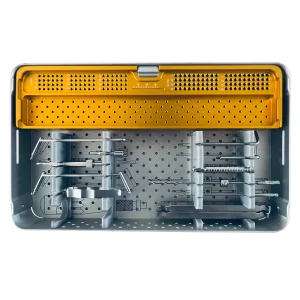
Our custom sterilization boxes feature engineered ventilation configurations and validated filter materials, ensuring barrier longevity during post-sterilization storage.
Medical sanitization needs vary drastically between human operating rooms and specialized veterinary clinics. In veterinary orthopedics, surgical environments face high exposures to environmental contaminants, animal fur, dander, and resilient zoonotic pathogens. Sanitizing agents used in veterinary setups must offer powerful cleaning action to pierce heavy organic matter, while avoiding compounds that leave behind toxic residues harmful to recovering animals.
For human spinal fusion systems and joint replacements, regulatory scrutiny is intense. Every chemical fluid, sanitizing wipe, or containment system used in these processes must maintain full documentation traceabilities. As an established OEM/ODM exporter, HUL Healthcare provides comprehensive compliance files—including safety data sheets (SDS) matching GHS standards, validation dossiers for EN 14885 standards, and CE/ISO declarations—simplifying local import approvals.
The future of medical sanitization lies at the intersection of nanotechnology and automated tracking systems. Key innovations we are preparing for include:
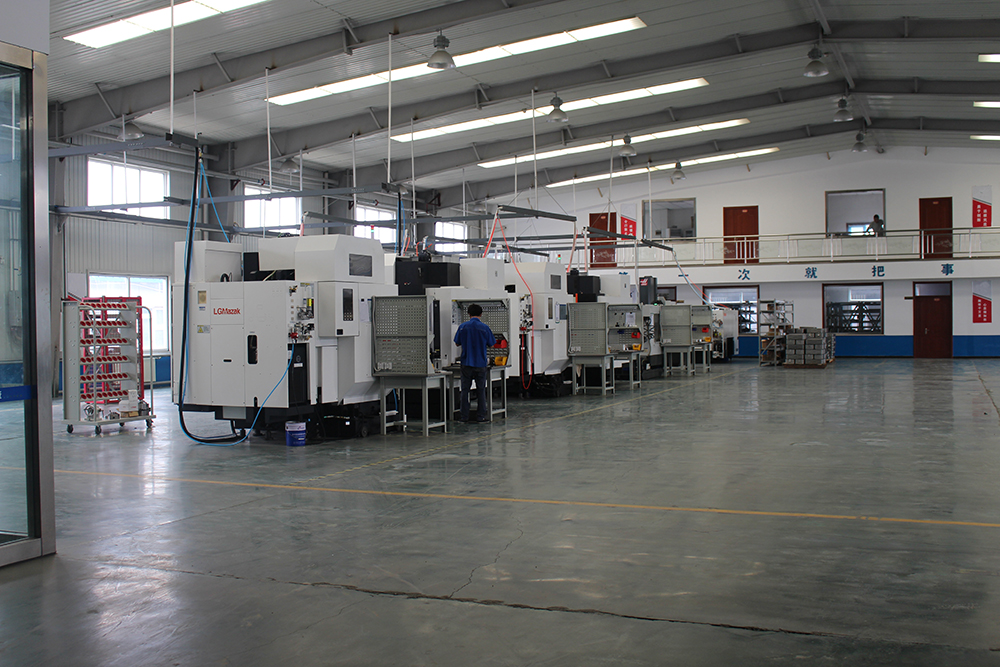
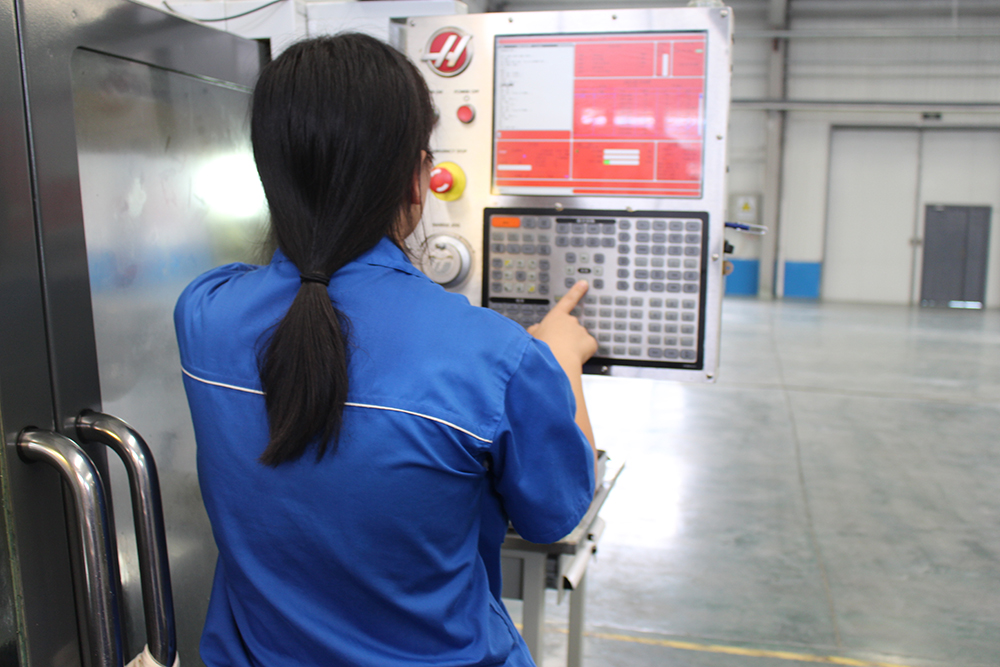
Bopull Medical operates in strict compliance with international laws, regulations, and quality standards. Our operations are certified under the GB/T42061-2022 idt ISO13485:2016 quality management system for medical devices. We purchase advanced production equipment and lead with a young, innovative, and highly technical team. Our strict focus on product quality and proactive technical support has earned broad recognition across the international healthcare community.
Medical hardware engineered to withstand rigorous cleaning, disinfection, and sterilization cycles.
 HUL Healthcare Limited