High-precision orthopedic instruments, surgical power tools, and clinical stabilization solutions essential for advanced healthcare integration.
The global market for medical wound care and bandaging supplies is undergoing a profound structural evolution. Sourcing managers in major hospital networks, distribution groups, and emergency relief organizations no longer view bandaging materials as simple, static commodities. Today, surgical dressings, cohesive compression wraps, plaster bandages, and orthopedic stabilization accessories are engineered with specific biocompatibility benchmarks, customized moisture vapor transmission rates (MVTR), and sophisticated mechanical properties designed to complement advanced internal fixations and implant systems.
As complex orthopedic and spinal surgeries (such as cervical fusion or total knee replacement) continue to rise globally, the requirements for clinical-grade post-operative protection have intensified. Managing wound closure sites, stabilizing external fixations, and providing secondary line security require dressings and cohesive wraps that prevent shear forces, minimize bacteria infiltration, and optimize patient mobility. For procurement professionals, this means sourcing from integrated suppliers capable of aligning surgical instrument precision with medical textile excellence.
Exploring technology integration and global export metrics shaping the surgical wound care industry.
The global demand for orthopedic stabilization instruments and postoperative bandaging supplies is driven by an aging demographic, a rise in sport-related orthopedic injuries, and the expansion of modern veterinary orthopedics. In clinical settings, the trend toward outpatient surgical care and Minimally Invasive Surgery (MIS) has amplified the focus on compression therapy and fluid-absorption control. Advanced cohesive bandages are now designed with variable tension levels, allowing clinicians to apply precise pressure to post-surgical sites to manage edema without restricting blood flow.
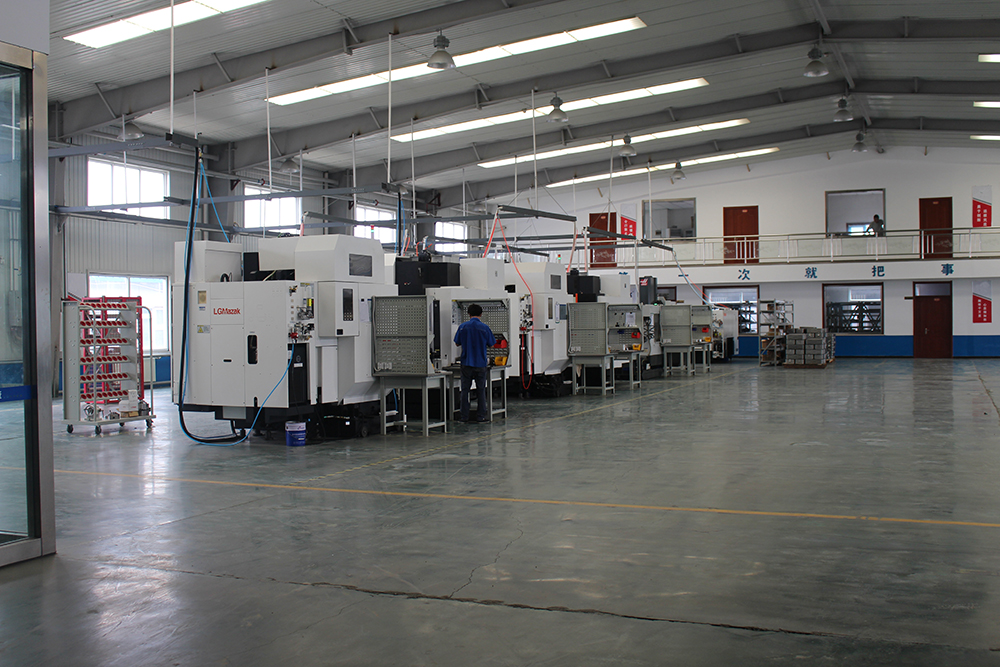
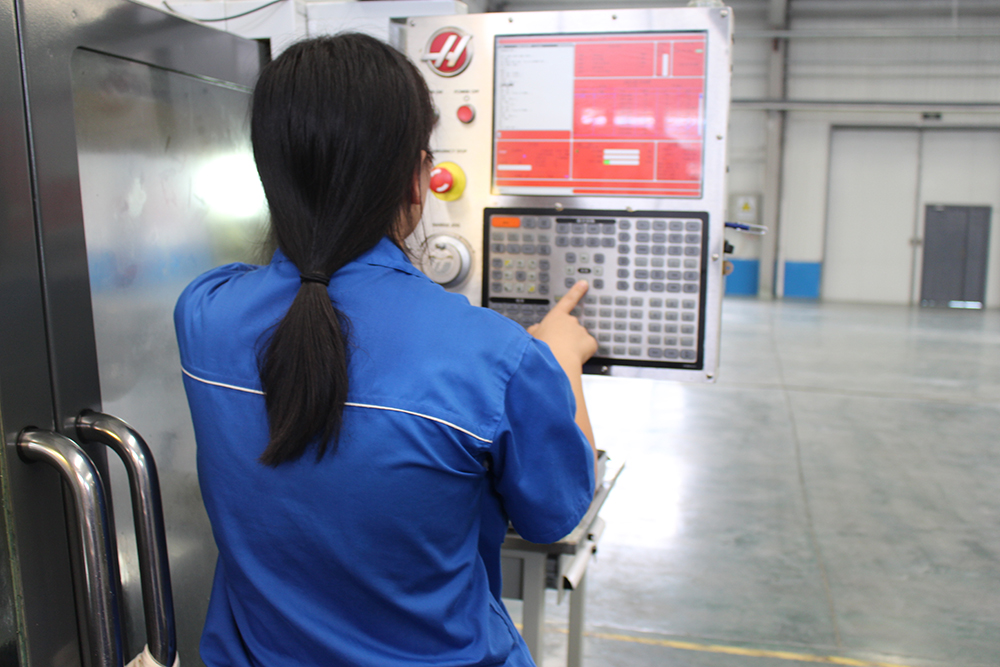
Furthermore, "Smart Factory" frameworks in China (Factory 4.0) are reshaping production cost structures. By leveraging computerized looms, automated sterilization lines, and vision-based quality inspection systems, factories can produce bandaging matrices with highly consistent tensile strengths. This mechanical uniformity prevents slipping and displacement when applied over rigid external hardware, such as orthopedic external fixators or cervical traction rigs, ensuring that the primary surgical intervention remains stable and protected throughout the recovery phase.
When evaluating global exporters of bandaging supplies and surgical support instrumentation, procurement officers must employ a robust scorecard that moves beyond simple per-unit cost analysis. Standardizing selection criteria ensures supply chain resilience, patient safety, and regulatory alignment. The following comparative matrix outlines key performance parameters critical to modern hospital supply chain management.
| Key Performance Indicator | Standard Requirement | Strategic Importance for Exporters | Clinical Impact |
|---|---|---|---|
| ISO 13485 Certification | Full QMS alignment for Medical Devices | Ensures legal export viability into European & North American markets | Guarantees sterile manufacturing and batch traceability |
| Hypoallergenic Material Grade | Biocompatibility certified (ISO 10993) | Reduces post-market adverse reaction claims and recalls | Prevents secondary contact dermatitis in critical recovery phases |
| Tensile & Elastic Retraction Force | Consistent elasticity decay under 10% over 24h | Critical for orthopedic splinting and mechanical compression wrap stability | Maintains joint immobilization without vascular occlusion risk |
| Ethylene Oxide (EO) Sterilization | SAL 10-6 sterility level validation | Mandatory compliance for open surgical site applications | Prevents surgical site infections (SSIs) post-implant installation |
| Supply Chain Lead Times | Less than 15-30 days ex-factory for core SKUs | Determines distributor inventory buffer requirements | Avoids stockouts in emergency trauma centers and critical units |
The success of orthopedic surgical interventions depends heavily on both the internal hardware used and the external post-operative management. A high-precision implant requires stable, secure bandaging to promote primary wound healing and prevent surgical site contamination. Below are key scenarios where advanced instruments and bandaging products work together:
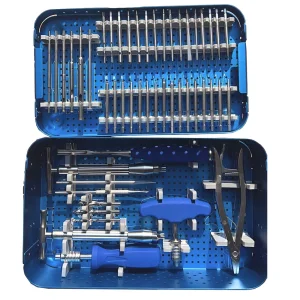
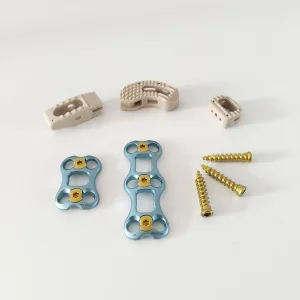
Following spinal surgeries using tools like the Bopull LED Cold Minimal Invasive Spine Instruments Set, stabilizing the multi-layer muscular tissue is critical. In these cases, orthopedic surgeons use silicone-coated non-adherent dressings and secure them with high-tension cohesive bandages. This system absorbs wound exudate and stabilizes the soft tissue, preventing micro-motions that can disrupt spinal pedicle screws and cervical plates.
In veterinary surgeries (e.g., TPLO procedures using the Electric Tplo Veterinary Instrument), postoperative bandaging is challenging due to animal movement and fur interference. Exporters address this by providing high-adhesion cohesive wraps that stick to themselves but not to the fur. These wraps protect the surgical site and keep veterinary implants clean, preventing the animal from tampering with the wound.
Open fracture reconstruction using an Integrated Stainless Steel External Fixator requires long-term pin site care. Bandaging supplies in this scenario must be highly breathable and sterile to prevent pin-tract infections. Custom-cut split sponges or dressings are secured with light, cohesive bandages, providing a stable barrier while allowing clinicians to inspect the fixation pins during recovery.
Industrial scale and supply chain integration are key reasons Chinese medical exporters maintain a leading role in the global market. Manufacturers in medical hubs, such as Shenzhen and Beijing, leverage local raw materials (high-grade non-wovens, medical adhesives, surgical steels) and automated packaging lines. This integration allows factories to manage quality control from polymer extrusion to sterilization, reducing the risk of batch-to-batch variations.
In modern medical manufacturing, the integration of surgical implants and corresponding clinical consumables is a growing trend. Suppliers like Shenzhen HUL Healthcare Technology Co., Ltd. (Bopull Medical) maintain ISO 13485:2016 quality systems to ensure their products meet cleanroom standards. This level of quality management is critical for both complex spinal hardware and sterile bandaging materials, providing reliable performance for international distributors.
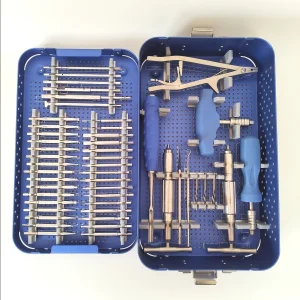
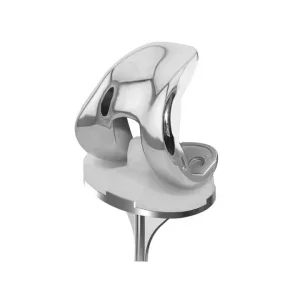
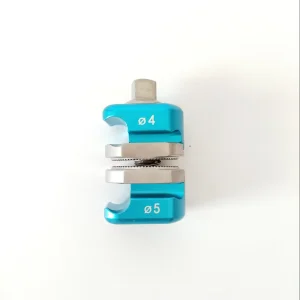
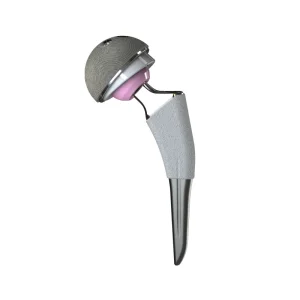
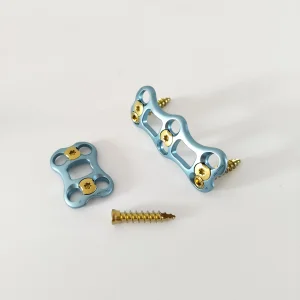
High-quality joint replacement components, revision tools, and external fixation equipment for diverse surgical applications.
Answers to critical technical and regulatory questions for global medical distributors and procurement managers.
Shenzhen HUL Healthcare Technology Co., Ltd. (operating as Bopull Medical) is a specialized Chinese medical enterprise. The company manages its operations in accordance with international medical device regulations, ensuring quality and traceability for global buyers. Bopull Medical maintains a GB/T42061-2022 idt ISO13485:2016 quality management system certification, producing orthopedic implants, surgical power tools, and related surgical instruments for international distribution.
By integrating advanced manufacturing equipment with a skilled engineering team, the company maintains a reorder rate of 34%. This performance reflects Bopull Medical's focus on quality management and technical support for its global partners. The company's products are designed to meet regulatory compliance, helping distributors and hospital networks secure reliable equipment for critical care settings.
 HUL Healthcare Limited