Explore our premium range of ISO-compliant surgical instrumentation and implants engineered for superior clinical outcomes.
Macro Trends, Regulatory Shifts, and Quality Control Parameters for High-Value Consumables
The global healthcare ecosystem is experiencing unprecedented structural shifts. As hospitals, outpatient clinics, and veterinary medical facilities adjust to aging demographics, surging volume in outpatient surgical procedures, and strict cross-contamination protocols, the reliance on high-quality medical disposables has intensified. Sourcing departments no longer look for simple cost efficiency; they demand partners that provide comprehensive regulatory security, zero-defect quality guarantees, and stable supply chains.
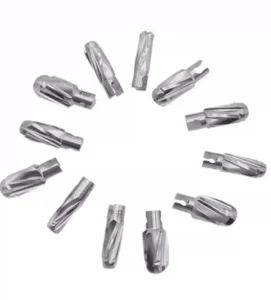
When selecting a manufacturer among the top 10 medical disposables factories, decision-makers are evaluating compliance matrices, material traceability, and cleanroom technical capabilities. Medical disposables are no longer just basic consumables like syringes and surgical drapes. High-value single-use instruments, customized orthopedic surgical blades, sterile reamer sets, and specialized arthroscopic shavers now represent the frontier of medical disposable engineering, requiring precision machining that mirrors permanent implants.
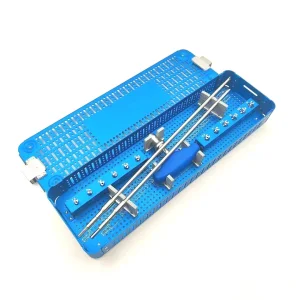
In classical medical supply chains, "disposables" referred primarily to high-volume, low-margin products. Today, there is a paradigm shift toward procedure-specific single-use instrument sets. Reusing complex surgical components, such as orthopedic reamers, drill bits, and arthroscopy shaver blades, introduces severe risks of cleaning failures and bioburden transmission. Consequently, global surgical teams are shifting rapidly toward single-use surgical kits that arrive pre-sterilized and are disposed of immediately after the procedure. This shift eliminates hospital sterilization overheads and guarantees surgical cutting edge performance every single time.
Detailed verification data of Shenzhen HUL Healthcare Technology Co., Ltd. (Bopull Medical)
Bopull Medical has built its production processes around strict international regulatory compliance frameworks. The factory operates in conformity with the GB/T42061-2022 idt ISO13485:2016 international medical devices quality management system standard. By prioritizing the control of engineering pathways, raw material source certification, and automated manufacturing, Bopull Medical guarantees highly precise products. Backed by advanced equipment and an innovative young team, the company maintains a 95.36% customer response rate and a rapid response window of under 3 hours, offering robust global technical support.
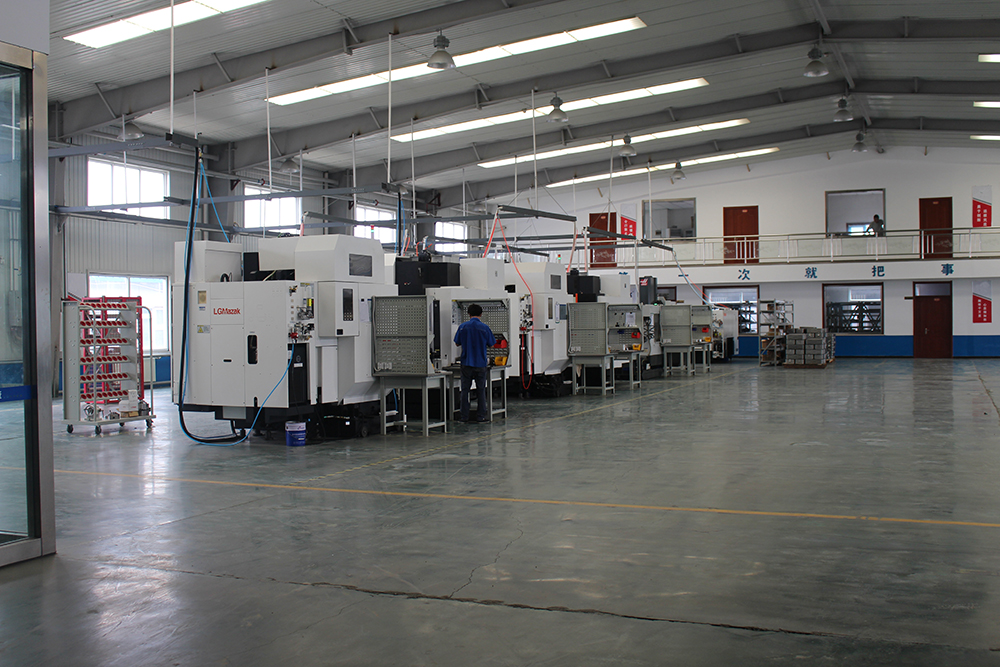

Procurement officials sourcing orthopedic implants, veterinary surgical kits, and customized bone milling cutters must look beyond superficial pricing. Critical procurement points include:
The manufacturing landscape of medical disposables is quickly evolving toward smart manufacturing. Factories are moving away from manual machining steps toward fully integrated CAD/CAM processing pathways. This shift minimizes human contact, lowering bioburden levels before products enter cleanrooms for packaging.
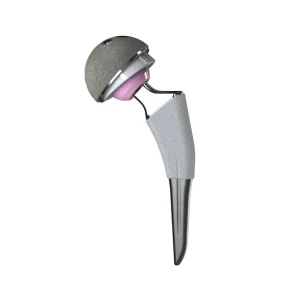
Key technological directions include specialized surface coatings, such as Hydroxyapatite (HA) plasma sprays on cementless femoral stems. These coatings support osseointegration, helping implants bond securely with bone tissue. At the same time, single-use mechanical parts, like orthopedic drill bits and shaver blades, are being treated with Diamond-Like Carbon (DLC) or titanium nitride (TiN) coatings. These coatings reduce friction, lower heat generation during drilling, and prevent tissue necrosis in delicate surgeries.
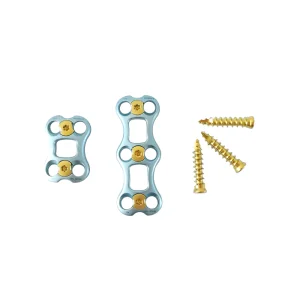
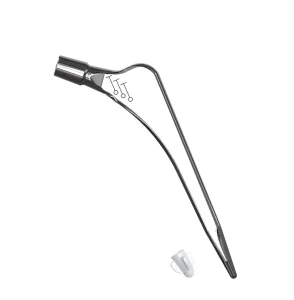
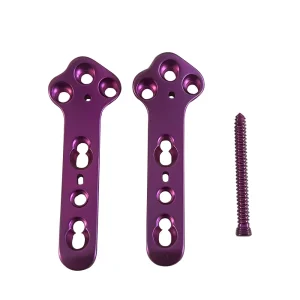
Premium titanium bone plates, arthroscopy blades, and total hip joint reconstruction components.
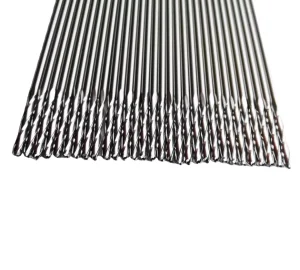
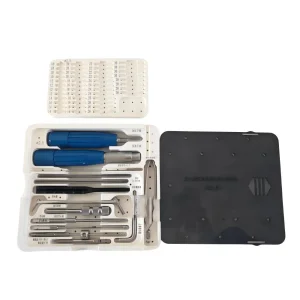
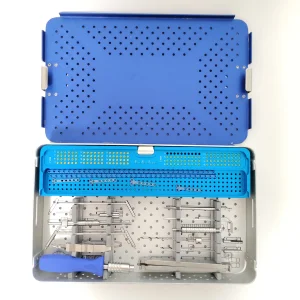
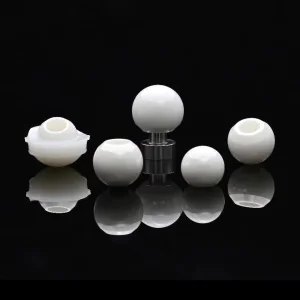
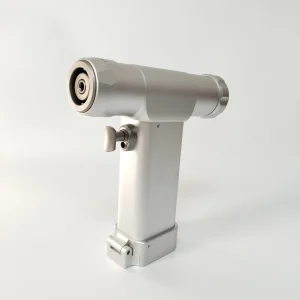
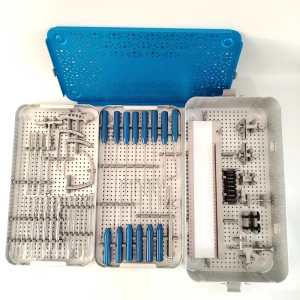
Today, sourcing managers look at geopolitical factors, logistics routes, and regulatory changes just as much as manufacturing costs. Transitioning to a single-use surgical instrument strategy means factories must be able to scale up production quickly. If a factory runs out of single-use drill bits, reamers, or shaver blades, surgeries are delayed—which directly hurts patient care and hospital finances.
Leading medical disposable manufacturers prevent these issues by setting up automated stock replenishment systems and keeping pre-certified raw material inventory on hand. Having factories that run both trading operations and manufacturing plants—like Bopull Medical's dual-office setup in Beijing and Shenzhen—makes it easier to source raw materials, design products, and manage export logistics efficiently.
Expert Answers for Procurement Officers, Medical Distributors, and Surgical OEMs
 HUL Healthcare Limited