High-precision orthopedic, arthroscopic, and trauma repair systems certified under international clinical standards.
Advanced wound care is no longer limited to topically applied dressings. In modern clinical environments, effective wound management is highly integrated with orthopedic trauma systems, bone reconstruction, and minimally invasive debridement technology.
Chronic wounds, severe trauma injuries, and surgical incisions represent major clinical challenges. The management of complex wounds requires specialized surgical tools to achieve precise tissue debridement, secure bone stabilization, and minimize patient recovery times. Orthopedic implants, osteosynthesis plates, and arthroscopic suture cutters work in tandem to eliminate infection risk and facilitate structural tissue healing.
As healthcare systems adapt to an aging population and increasing rates of diabetic complications, the global demand for reliable wound care devices, sterile implants, and high-performance surgical instruments is growing. To meet these demands, hospital networks and distributors rely on qualified factories that implement strict quality management protocols.
How technological integration, rapid industrialization, and raw material access optimize the global surgical instrument supply chain.
Chinese manufacturers utilize medical-grade 316L VM stainless steel and biocompatible titanium (Ti6Al4V ELI) to produce tools with high fatigue resistance and excellent corrosion control during repeated sterilization.
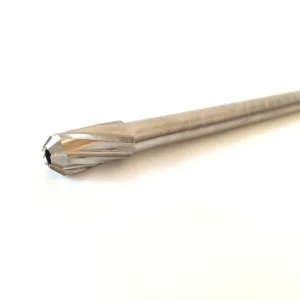
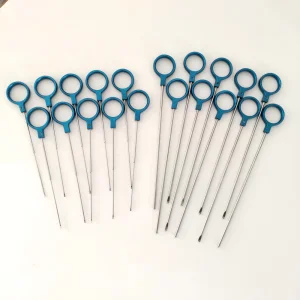
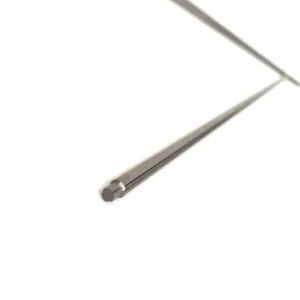
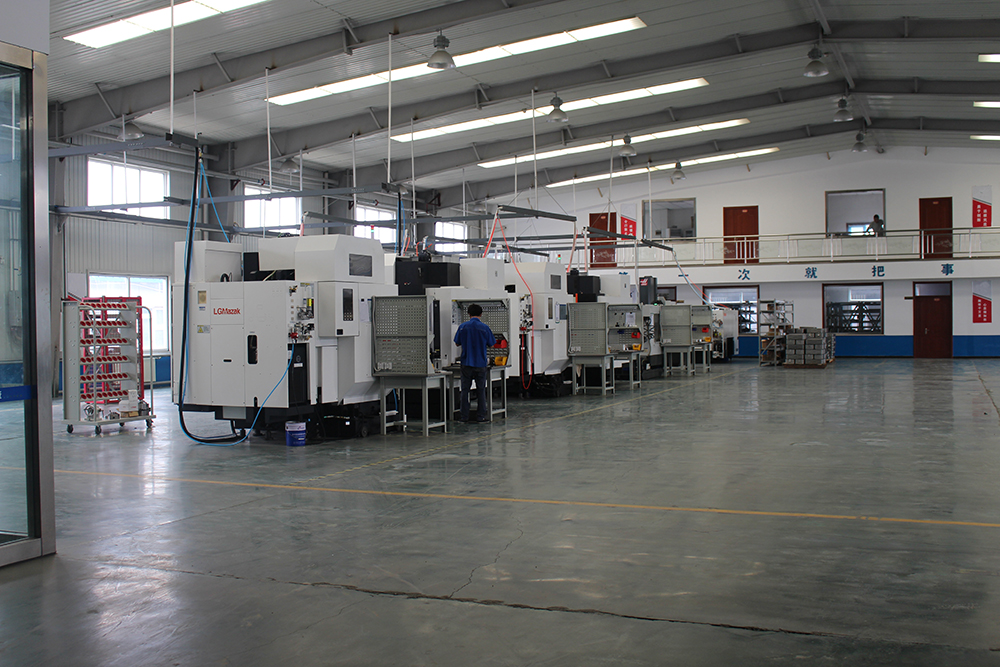
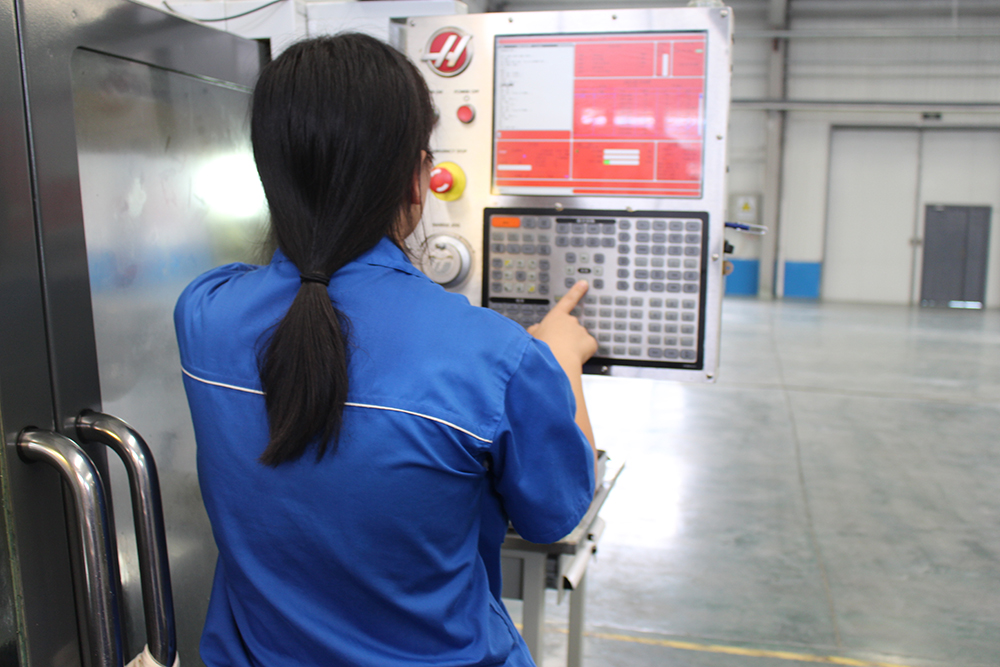
State-of-the-art five-axis CNC mills and EDM (Electrical Discharge Machining) systems ensure tolerances are held within micron-level specifications for complex tools like flexible reamers and arthroscopic knot pushers.
Through rigid compliance with GB/T42061-2022 and ISO13485:2016, leading factories maintain structural traceablity from raw steel bars through to final laser engraving and packing.
By centering operations in specialized medical industrial clusters (such as Shenzhen, Beijing, and Jiangsu), factories achieve high integration across component heat treatment, surface passivation, bio-burden testing, and packaging logistics. This enables responsive engineering adjustments and significantly shorter delivery lead times compared to traditional Western supply chains.
Operating under the globally recognized brand Bopull Medical, the company has established itself as an innovative, technology-driven developer of orthopedic trauma systems, arthroscopy solutions, and specialized veterinary surgery instruments.
Analyzing how specific surgical tools function across diverse human and veterinary trauma settings.
| Clinical Setting | Primary Challenge | Required Instrument/Solution | Material / Design Specifications |
|---|---|---|---|
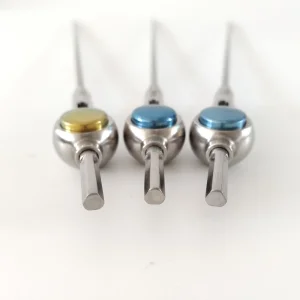
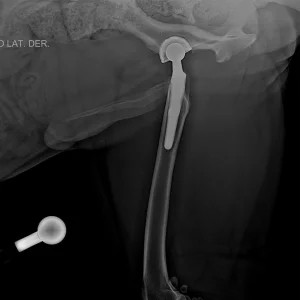
| Human Joint Replacement (THR) | Bone preparation and implant positioning. | Total Hip Prosthesis, Acetabular Cup, and Ceramic Femoral Head | ISO 5832-3 Titanium Alloys, High-density Alumina Ceramic |
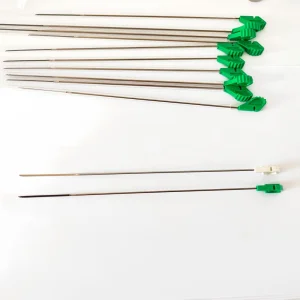
| Knee Arthroscopy | Minimally invasive tissue excision and repair. | Suture Cutters, Nitinol Scorpion Suture Passers, Knot Pushers | Superelastic Nitinol, SUS304/SUS630, ultra-low profile tip |
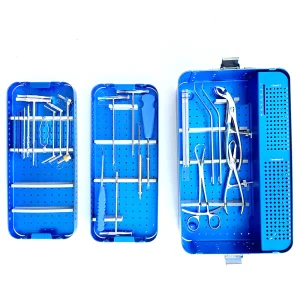
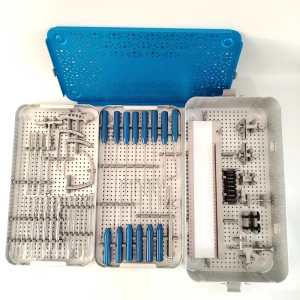
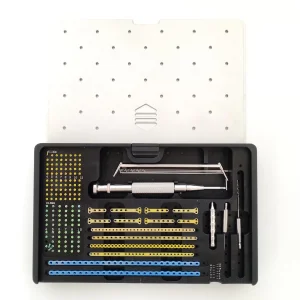
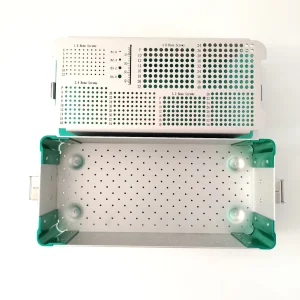
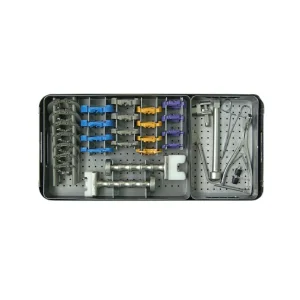
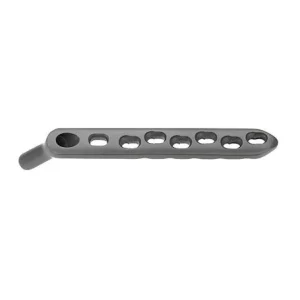
| Fracture Osteosynthesis | Restoring skeletal integrity in high-impact trauma. | Locking Plates, Small Fragment Instrument Sets, Cannulated Drills | Dynamic compression slots, self-tapping screws, modular containers |
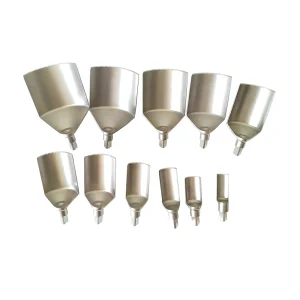
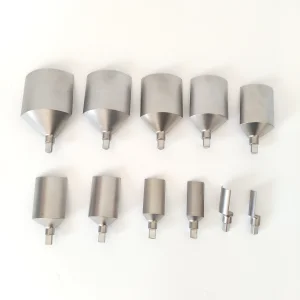
| Veterinary Orthopedics (TPLO) | Tibial Plateau Leveling Osteotomy for canine ligament tears. | Veterinary TPLO Saws, TPLO Blades, Plate Instrument Sets | Radial cut arc blade, high torque brushless motors, lightweight casing |
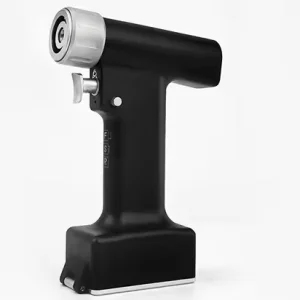
Utilizing high-end lithium battery brushless motor drills ensures clean osteotomies, minimizes thermal necrosis, and maintains steady speed under varying load conditions.
Optimized for canine and feline patients, focusing on modularity, ergonomic handling, and specialized small fragment locking screws to match animal anatomy.
Flexible reamers and posterior spinal fixation rod systems enable surgeons to navigate complex spinal geometry safely during decompression and stabilization procedures.
A professional guide for hospital purchase coordinators and medical device distributors evaluating OEM manufacturers.
Ensure the manufacturer has active, verifiable registrations for ISO 13485, and is aligned with regional declarations (such as CE certifications and local FDA compliance). These frameworks verify that cleanroom environments, biocompatibility documentation, and sterilization tracking are properly maintained.
Always request raw material mill test reports. Suppliers must prove that components are constructed from biomedical-grade metals (e.g., 316L VM Stainless Steel or Ti6Al4V ELI) that will not release metallic particulates or undergo degradation over cycles of autoclave steam sterilization.
Custom instrument designs (such as customized plate geometry or special arthroscopic tip angles) require close technical collaboration. Partner with suppliers offering a responsive engineering team (response times ≤3h) and robust tooling design experience.
Innovations driving the next generation of patient outcomes and surgical workflow efficiency.
Microchip integration inside orthopedic saw systems monitors motor temperature and bone density in real time, auto-adjusting oscillation frequencies to prevent thermal injury during delicate bone osteotomies.
Increased utilization of superelastic shape-memory alloys (Nitinol) in arthroscopic suture systems, allowing instruments to pass through tight joint spaces and automatically return to their pre-formed shapes.
3D-printed titanium implants featuring porous surface structures are changing joint replacement. These designs closely replicate natural trabecular bone, supporting direct osseointegration and reducing recovery times.
Technical clarifications on sterilization, raw materials, manufacturing standards, and customized orders.
Explore our technical portfolio of CE and ISO certified bone plates, joints, and arthroscopy instrumentation.
A look inside our manufacturing floor, showcasing raw material warehousing, CNC milling centers, and cleanroom packaging spaces.
 HUL Healthcare Limited