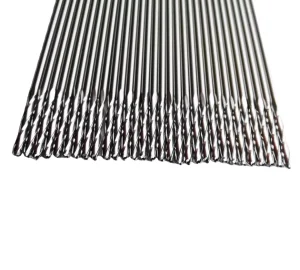
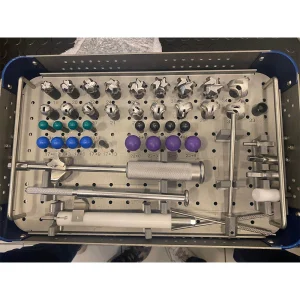
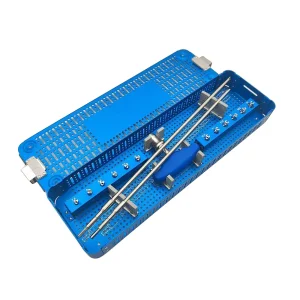
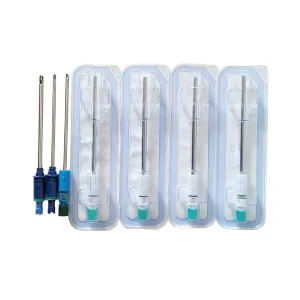
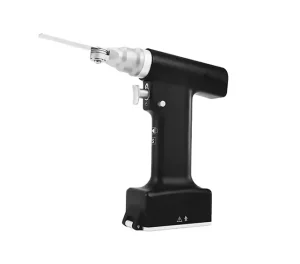
High-performance surgical bone drill systems, precision reamers, and clinical-grade joint replacement components.
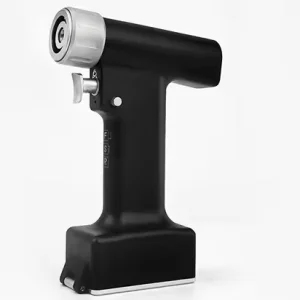
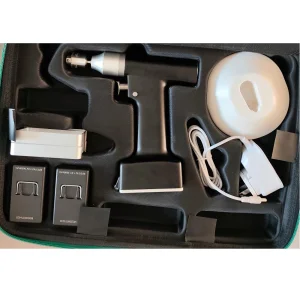
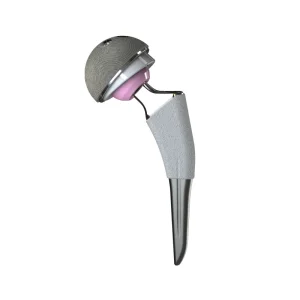
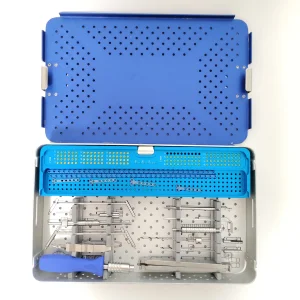
The global orthopedic osteosynthesis device market is experiencing unprecedented demand, driven by aging demographics, an increase in trauma incidents, and the rapid expansion of complex veterinary orthopedics. Bone screws represent the fundamental building blocks of internal fixation systems. They transfer loads between bone fragments, stabilize fractures, and secure metallic compression plates or intramedullary devices.
Today's surgical designs are transitioning from simple cortical and cancellous fixations to complex, specialized configurations. Notable innovations include self-tapping, self-drilling, cannulated, and variable-angle locking designs. Modern materials like Ti-6Al-4V ELI (Grade 23 Titanium) and ultra-high-molecular-weight polymers (PEEK) offer superior biocompatibility, fatigue resistance, and stress distribution. These materials reduce the risk of stress shielding and subsequent implant failure.
Effective bone stabilization requires precise micro-machining of thread pitches. High-precision manufacturing ensures that the pull-out strength of the screw exceeds the physiological forces applied during patient rehabilitation, preventing micro-motion at the fracture site.
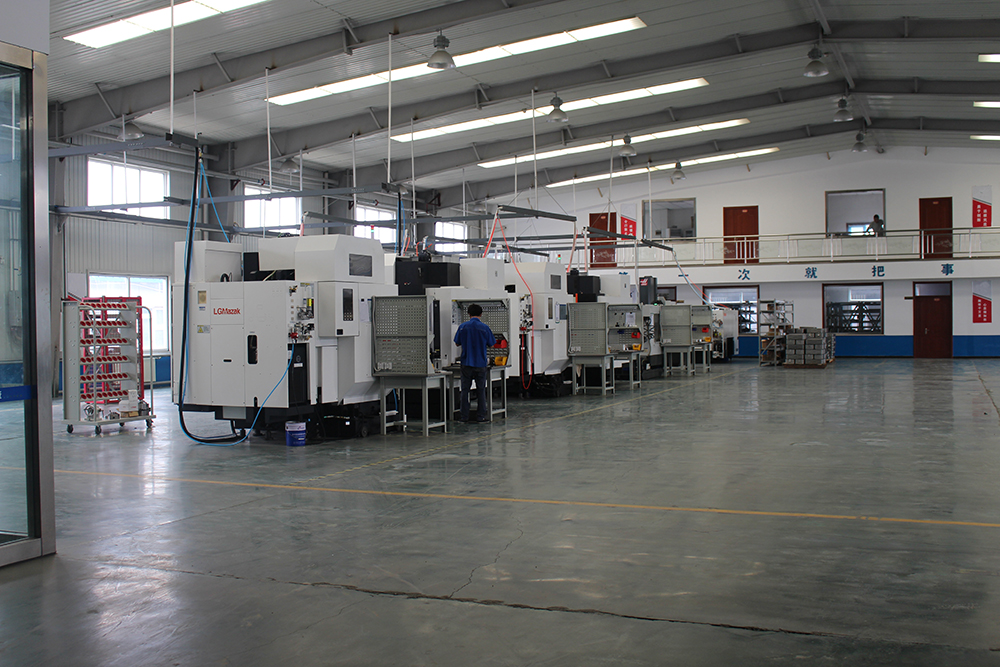
China has evolved from a basic parts manufacturer into a global center for high-value medical device fabrication. Shenzhen, in particular, combines dense mechanical design talent with integrated manufacturing ecosystems. Shenzhen HUL Healthcare Technology Co., Ltd. demonstrates these capabilities through efficient, high-volume production of orthopedics.
Our manufacturing advantages include:
Modern orthopedic procedures require targeted implant designs. High-performance bone screws must perform reliably under specific clinical conditions:
Requires cortical and cancellous compression screws that resist variable biomechanical shear stresses in load-bearing bones.
Utilizes specialized pedicle screws and rods that provide immediate biomechanical stability during spinal fusion procedures.
Tailored locking systems and implants that accommodate the unique anatomical requirements and varied loads of animal patients.
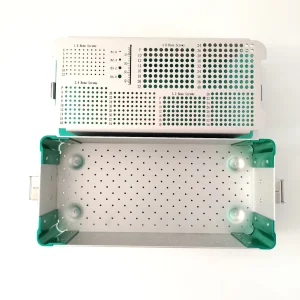
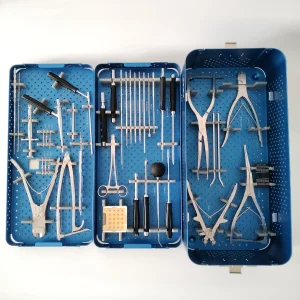
For instance, the ALPS Veterinary Instrument Set for Dog Orthopedic Locking Plates includes small, locking titanium implants (sizes 1.6mm to 4.0mm). These systems are designed to minimize bone-contact area, preserving the periosteal blood supply and accelerating clinical recovery in canine and feline patients.
Selecting the appropriate alloy is critical for the clinical success of any internal fixation system. The table below compares the mechanical properties and common applications of key materials used in orthopedic manufacturing:
| Material Class | Common Standard Specifications | Tensile Strength (MPa) | Biocompatibility Rating | Clinical Intent & Application |
|---|---|---|---|---|
| Titanium Alloy (Ti-6Al-4V ELI) | ASTM F136 / ISO 5832-3 | ≥ 860 | Excellent (Low Osseous Irritation) | Permanent implants, joint replacements, pedicle screws. |
| Stainless Steel (316LVM) | ASTM F138 / ISO 5832-1 | ≥ 490 | Good (High Strength & Rigidity) | Temporary trauma plates, K-wires, bone drill bits. |
| Cobalt-Chromium (Co-Cr-Mo) | ASTM F75 / ISO 5832-4 | ≥ 655 | Very Good (Extreme Wear Resistance) | High load joint articulation surfaces, dental implants. |
| PEEK Polymer | ASTM F2026 | 90 - 100 | Excellent (Radiolucent, Flexible) | Spinal cages, suture anchors, customized implants. |
Operating under international quality standards to deliver reliable medical components.
Shenzhen HUL Healthcare Technology Co., Ltd. (operating as Bopull Medical) manages high-precision medical manufacturing and supply chains. We comply with all regional and international medical regulations. The company is certified under the GB/T42061-2022 idt ISO13485:2016 quality management system.
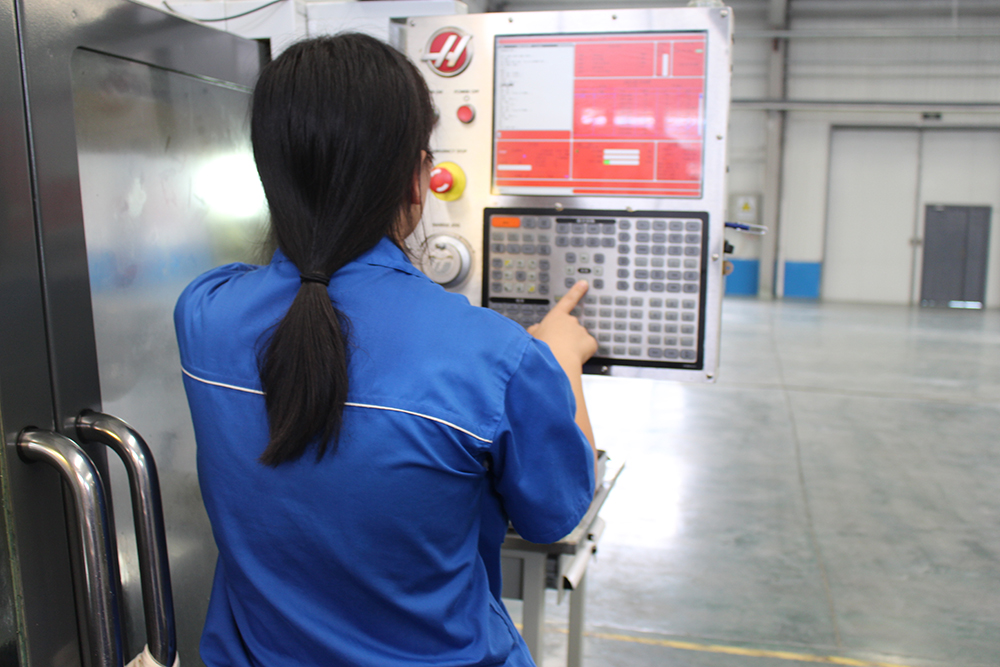
We purchase advanced production equipment to support our engineering team. Through strict quality control protocols, we help international clients solve technical design challenges and maintain regulatory compliance.
Sourcing medical implants globally requires careful management of regulatory compliance and logistical risks. International purchasing agents must verify that products meet the regulatory standards of their target markets. Key considerations include:
By addressing these compliance requirements upfront, distributors can prevent shipments from being delayed at borders and protect clinical patients from issues caused by non-compliant materials.
Technical details, order minimums, and supply logistics for healthcare procurement managers.
For standard orthopedic screws (such as cortical, cancellous, or locking types), lead times typically range from 15 to 30 days. Custom OEM orders requiring unique thread geometries, specialized drive systems (like hexalobular or Torx), or non-standard lengths generally take 45 to 60 days to allow for tooling, production, and verification.
Yes. Every production run is accompanied by Mill Test Certificates (MTC) showing the chemical composition and mechanical properties of the raw material. The raw material must comply with international standards such as ASTM F136 or ISO 5832-3. We also provide dimensional inspection data sheets and sterility test reports upon request.
Titanium alloy screws offer high mechanical strength and allow bone to grow directly onto the surface of the implant (osseointegration). This makes them ideal for trauma fixation and load-bearing joint replacement. PEEK polymer screws are radiolucent, meaning they do not block X-rays. They also have an elastic modulus close to natural cortical bone, which helps reduce the risk of stress shielding. Consequently, they are commonly used in spinal and soft tissue reconstruction.
We operate in accordance with the GB/T42061-2022 idt ISO13485:2016 quality management system. The manufacturing process includes automated vision measurement, coordinate measuring machines (CMM) for thread profiles, surface roughness testing, and mechanical testing (such as static and dynamic shear tests). Each product batch undergoes a final quality inspection before packaging.
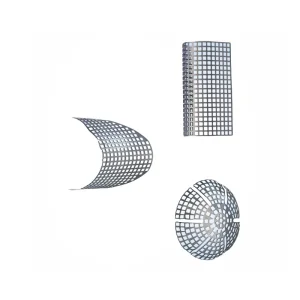
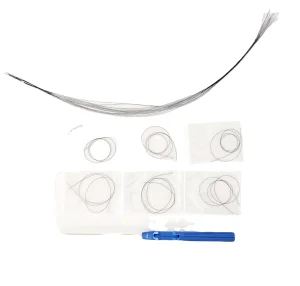
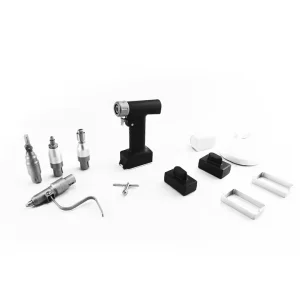
Explore our extended portfolio of titanium meshes, nickel-titanium wires, and specialized fixation tools.
 HUL Healthcare Limited