Immediate access to ISO 13485:2016 certified surgical devices engineered for emergency stabilization and reconstruction.
Understanding the critical paradigm shifts in disaster response, emergency orthopedics, and acute surgical procurement.
In the theater of modern emergency medicine and disaster response, the rapid availability of osteosynthesis materials, external fixation systems, and specialized surgical instrumentation is non-negotiable. Rapid urbanization, the escalation of industrial infrastructure, and an aging demographic global population have combined to accelerate the clinical demand for orthopedic trauma care. Medical institutions, emergency triage centers, and disaster response organizations face unprecedented challenges in maintaining robust, high-fidelity supply lines for life-saving implants.
According to global epidemiological analyses of emergency trauma corridors, skeletal injuries and complex fractures compose over 45% of emergency admissions resulting from high-energy collisions, natural disasters, and occupational mishaps. Effective triage in these scenarios demands that emergency surgery providers have immediate access to CE and ISO certified trauma systems. A delay in deploying appropriate internal stabilization—such as locked plating systems, cervical spinal fixations, or modular external fixator kits—can lead to catastrophic clinical outcomes, including osteonecrosis, chronic compartment syndrome, or nonunion of severe long bone fractures.
Consequently, emergency equipment exporters and suppliers have evolved beyond simple mercantile business models. Modern medical procurement officers now seek strategic partnerships with comprehensive entities like Shenzhen HUL Healthcare Technology Co., Ltd. (Bopull Medical). These partnerships guarantee clinical-grade precision manufacturing, rigorous metallurgical analysis, and rapid, localized distribution networks capable of delivering sterile surgical kits to hot-zone emergency facilities within compressed timelines.
Bridging the gap between biological compatibility, mechanical endurance, and urgent surgical utility.
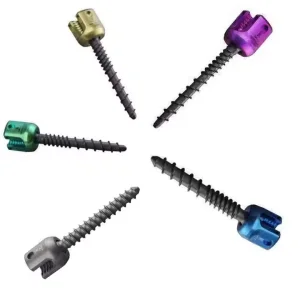
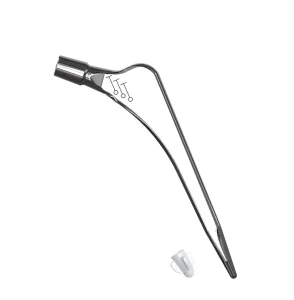
High-impact spinal traumas require immediate posterior stabilization to prevent neurological degeneration. Our thoracolumbar systems and anterior cervical plates leverage ultra-strong Titanium alloys (Ti6Al4V) to provide rigid fixation with reduced profiles.
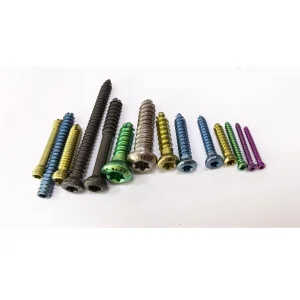
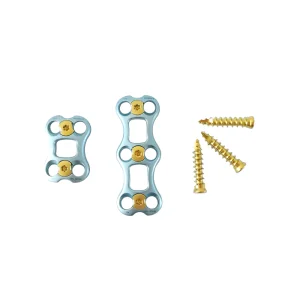
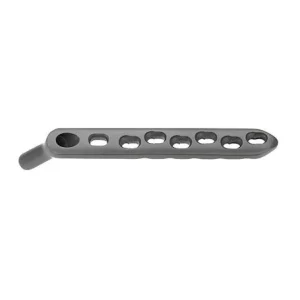
Shattered bones require specialized locking plates and screws to retain vascularity. Our OEM locking plate systems ensure biological internal fixation, supporting rapid osteosynthesis while minimizing soft tissue disruption.
Veterinary emergency surgery has advanced toward human-grade implant solutions. Systems like TPLO saw blades, PEEK suture anchors, and canine broken screw removal kits enable veterinary surgeons to preserve canine joint kinematics.
Deep dive into our ISO-certified quality management framework and state-of-the-art medical production facility.
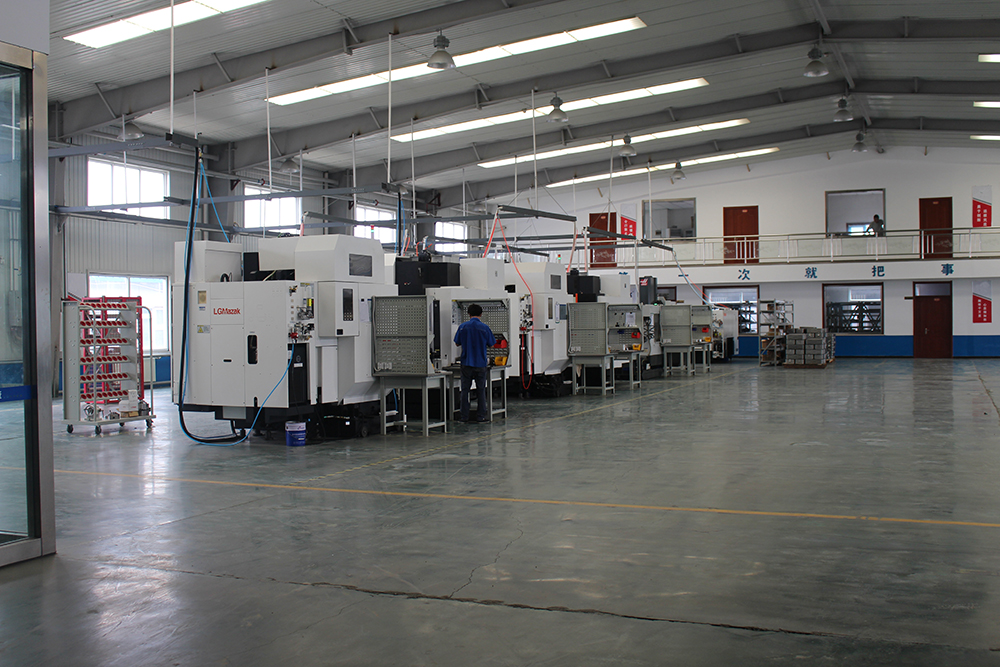
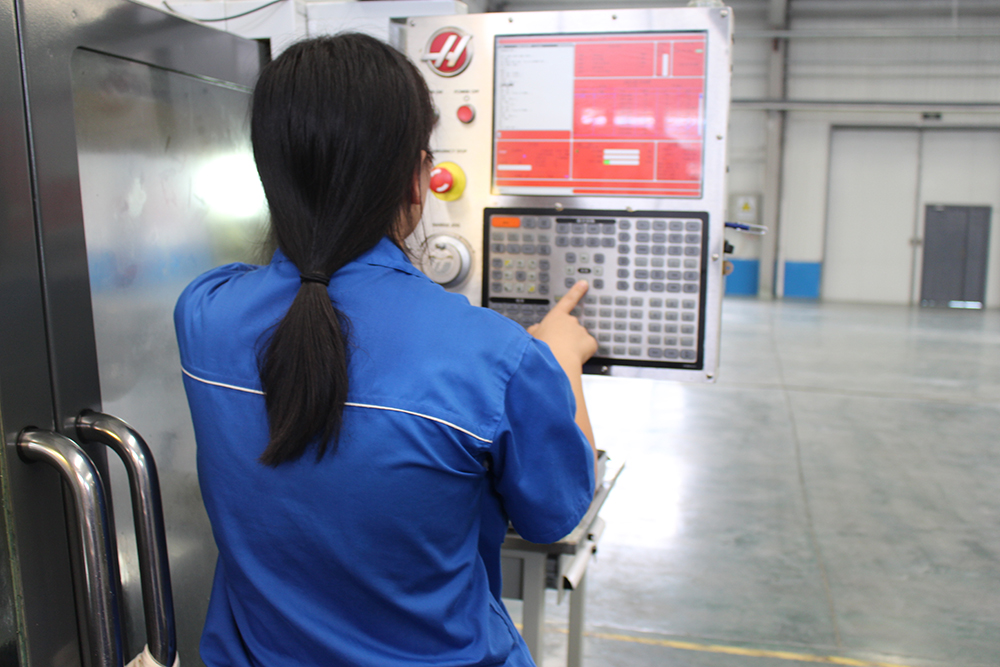
For medical device suppliers, trust and compliance are the foundational pillars of clinical adoption. Shenzhen HUL Healthcare Technology Co., Ltd. (Bopull Medical) has established a highly integrated Quality Management System (QMS) built around GB/T42061-2022 idt ISO13485:2016 international quality management standards. Every surgical component we export—from micro-cervical plates to large joint reconstruction implants—undergoes strict raw material verification, precision CNC machining, ultrasonic cleaning, cleanroom packaging, and sterilization validation.
The future of emergency implants: bio-compatible polymers, surface treatments, and precision tooling.
The frontier of emergency orthopedic design is heavily driven by materials science. Traditional surgical interventions relied mostly on medical-grade stainless steels. While durable, these materials present limitations in terms of load-bearing stiffness, post-operative imaging artifacts, and long-term bio-compatibility. To address these limitations, our research and development pipelines focus on three core areas:
PEEK is increasingly utilized in emergency suture anchoring and spinal spacer design. Its elastic modulus closely mirrors that of human cortical bone, reducing stress shielding and providing radiolucent visibility under X-ray and CT imaging.
By treating titanium surfaces with anodic oxidation or acid-etching, we can generate micro-scale roughness. This micro-roughness directly accelerates osseointegration, prompting bone cells to anchor directly to the trauma implant.
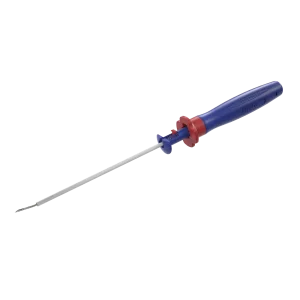
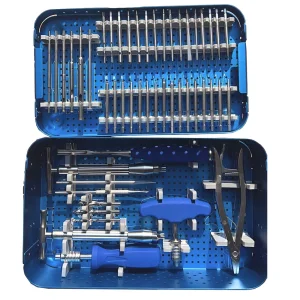
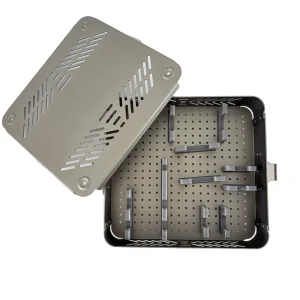
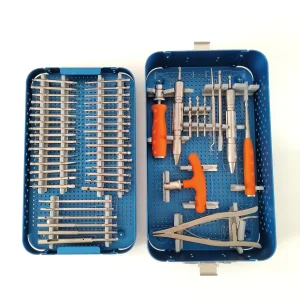
In high-stress operating theaters, surgical instrument ergonomics are vital. Our quick-connect screwdriver torque handles, customized sterilization trays, and precise suture cutters minimize fatigue for the operating team.
Seamless custom clearances, sterile containerization, and regional compliance frameworks.
Exporting high-precision orthopedic implants and emergency instrumentation globally requires strict adherence to localized regulatory structures. Every region features discrete barriers to entry, including the FDA’s 510(k) pathway in the United States, the European Union's MDR (Medical Device Regulation), and various national registrations across Latin America, Southeast Asia, and the Middle East. Bopull Medical maintains a dedicated regulatory affairs team to facilitate the registration, dossier creation, and compliance processing required for swift custom approvals.
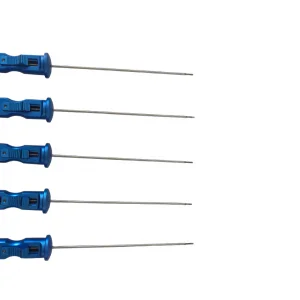
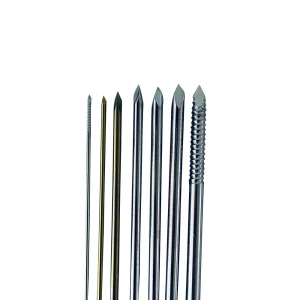
Furthermore, cold-chain and sterile shipping validations are integral parts of our emergency supply service. High-grade orthopedic trauma kits require specialized packaging to prevent structural damage, scratches to polished titanium surfaces, and loss of sterility during long-range transport. By utilizing validated double-sterile barrier systems and high-density impact-resistant protective cases, we ensure that every bone drill, K-wire, and spinal screw arrives at its clinical destination ready for sterilization and immediate surgical use.
Answering critical procurement, clinical compatibility, and manufacturing quality questions for global buyers.
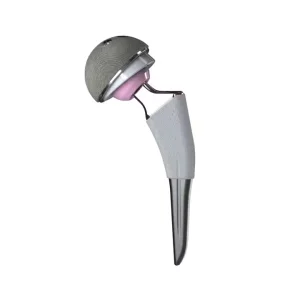
We construct our implants using premium bio-compatible alloys, primary titanium alloys (such as Ti6Al4V ELI in compliance with ASTM F136), medical-grade stainless steel (316LVM conforming to ASTM F138), and high-performance polymers like PEEK. For joint replacements, we offer advanced ceramic heads to achieve minimal wear coefficients.
Our quality management system is fully certified under GB/T42061-2022 idt ISO13485:2016. Every batch of trauma plates, bone screws, and surgical instruments is documented with complete traceability from raw material bars to the finished sterile product. Post-production inspections include coordinate measuring machine (CMM) dimensional checks, surface finish assessment, and load testing.
Yes. As an established developer and exporter, we support OEM/ODM configurations. Our engineering department can adapt plating shapes, screw thread pitches, and instrument dimensions to align with your hospital system’s proprietary standards or specific regional market demands.
For standard components kept in stock (e.g., standard cortical locking screws, surgical drill bits, basic K-wires), we can process and dispatch shipments within 48 to 72 hours. For custom OEM or large-scale tender projects, typical lead times range between 4 to 6 weeks, depending on production queue scheduling and validation protocols.
While veterinary implants (such as TPLO saw blades, micro-screws, and specialized suture anchors) share identical quality materials (Titanium and PEEK) and tolerances with human systems, they are proportioned differently to accommodate the unique anatomical shapes and dynamic mechanical loads of companion animals and equines.
High-precision instruments and implants designed for swift surgical execution and long-term stabilization.
 HUL Healthcare Limited