The global orthopedic devices and orthotics industry is undergoing a structural paradigm shift. Valued at over USD 50 billion and projected to grow at a CAGR of 5.8% over the next decade, this market is driven by an aging global population, the expansion of modern healthcare infrastructure, and the surging demand for advanced surgical interventions in sports medicine. Orthotic and orthopedic implants, instruments, and stabilization devices represent a critical frontier where medical engineering intersects with patient lifestyle quality.
Leading manufacturers are moving away from traditional subtractive fabrication methods toward advanced high-precision machining, custom metal alloys (such as Grade 5 ELI Titanium and 316LVM Medical Stainless Steel), and intelligent surgical power systems. In this highly regulated sector, structural supply chains must offer absolute reliability. Today's global medical buyers—ranging from regional distributors and tier-one hospitals to specialized veterinary surgical hubs—require partners capable of bridging the gap between rigorous scientific engineering and commercial scalability.
The transition from general surgical procedures to highly targeted, minimally invasive orthopedic interventions has redefined modern medical instrumentation. Several core trends shape today’s design, engineering, and manufacturing landscapes:
“The optimization of surgical outcomes relies on the chemical purity of raw implants and the dimensional tolerance of surgical tools. Even a variance of five microns in a femoral reamer can compromise joint alignment and alter the lifespan of an implant.”
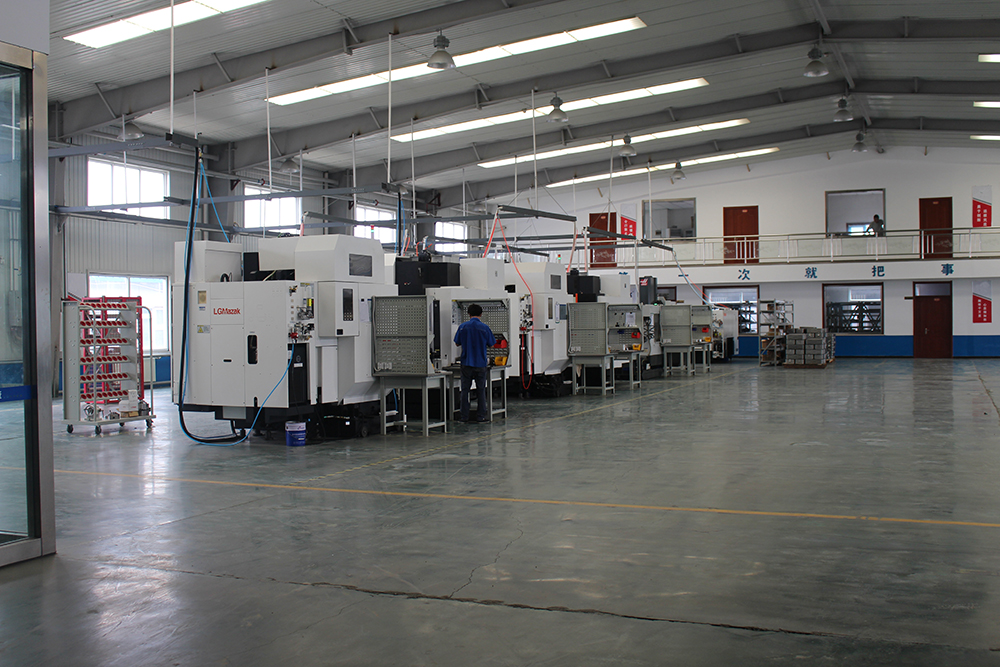
Quality assurance is the foundation of orthopedic device manufacturing. Medical instruments and implants are subject to rigorous regulatory oversight. At Shenzhen HUL Healthcare Technology Co., Ltd. (operating under the Bopull Medical brand), manufacturing operations strictly follow international laws, regulations, and industry standards.
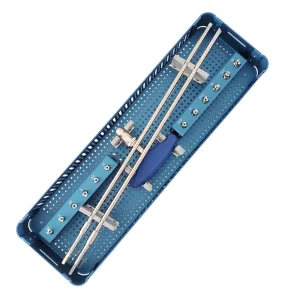
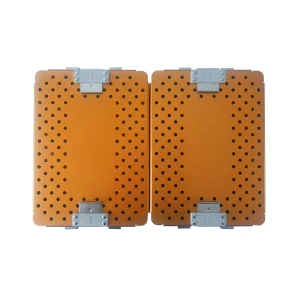
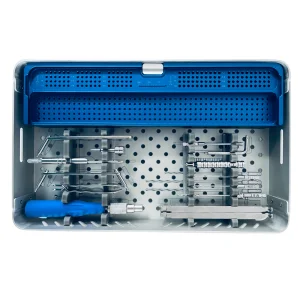
Our facilities are certified under GB/T42061-2022 (the national equivalent standard for medical device quality management) and the international ISO 13485:2016 certification for Medical Devices Quality Management Systems. This ensures a comprehensive quality control cycle spanning raw material validation, CNC precision machining, chemical cleaning, packaging, and clean-room sterilization box assembly.
Bopull Medical operates strictly in accordance with international laws, regulations, and quality standards, backed by GB/T42061-2022 / ISO 13485:2016 certification. We specialize in providing comprehensive technical solutions and responsive services to help customers solve complex medical-grade engineering challenges. Driven by a commitment to product quality, we have earned high praise across the orthopedic and veterinary surgical instrument industries. By sourcing advanced manufacturing equipment and maintaining a young, innovative, and highly skilled R&D and quality management team, we consistently deliver exceptional reliability that meets and exceeds customer expectations.
The technological roadmap for orthopedic devices focuses on digital integration, smart motor systems, and custom bio-alloys. Over the next five years, manufacturing evolution will center on three primary domains:
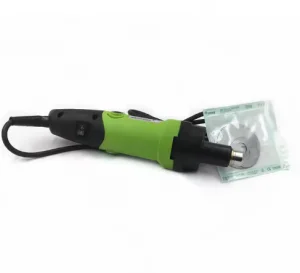
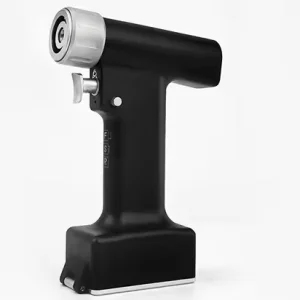
Surgical drills and saws are evolving from simple power tools into smart devices. Integrating microprocessors allows for real-time density sensing, preventing soft-tissue penetration by automatically cutting power when a drill meets bone-cortex boundaries. Battery tech improvements will also deliver high-capacity power with lower heat generation, ensuring longer sterile operation window times.
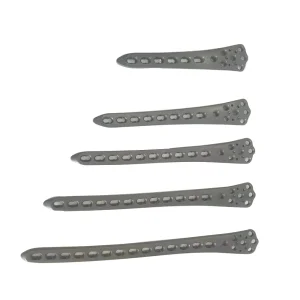
While standard sizes accommodate most operations, advanced trauma reconstruction relies on patient-specific locking plates. Incorporating dynamic stress-distribution models into implant designs allows modern factories to configure locking plates and spinal rods that match the natural load paths of the patient's skeletal structure, reducing implant fatigue and preventing hardware failure.
Veterinary medicine is seeing rapid development. The demand for mini-drills, specialized orthopedic plates (e.g., TPLO, lateral distal femoral locking plates), and sterilization systems tailored for small animal surgery is growing. Future product lines will prioritize modular kits that allow veterinary clinics to perform complex reconstructions with minimal equipment changes.
For global procurement managers, purchasing surgical devices involves navigating complex customs regulations, sterilization compliance, and transport safety. Shenzhen HUL Healthcare Technology Co., Ltd. provides end-to-end solutions to simplify this process:
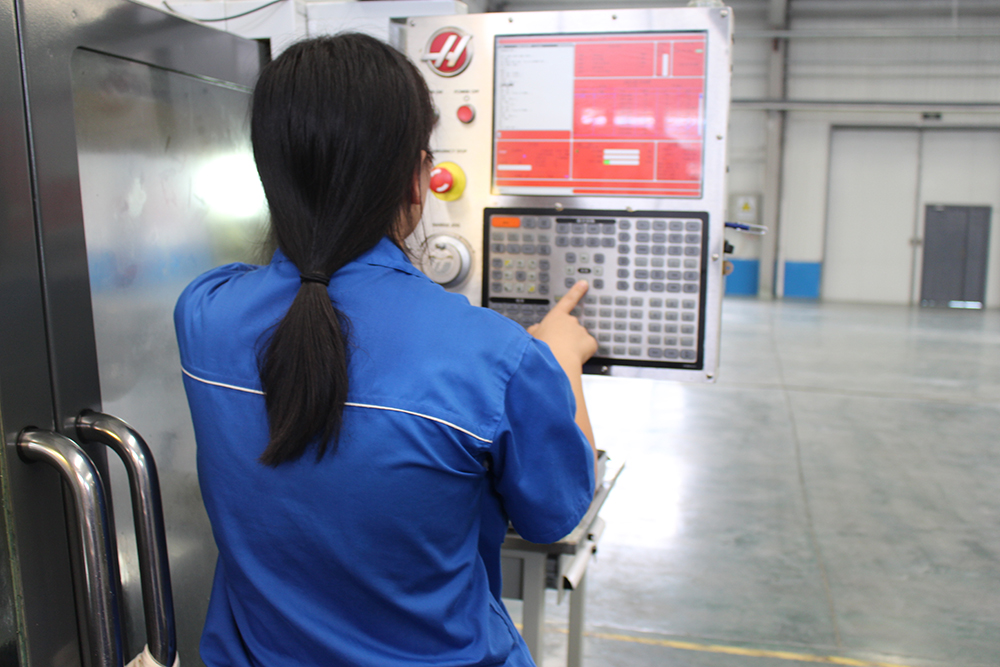
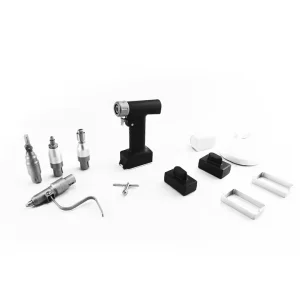
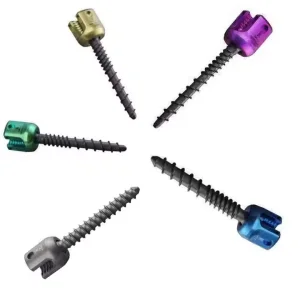
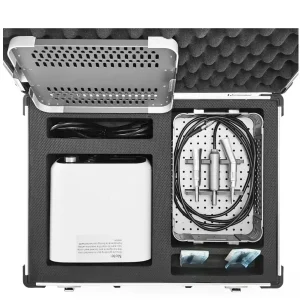
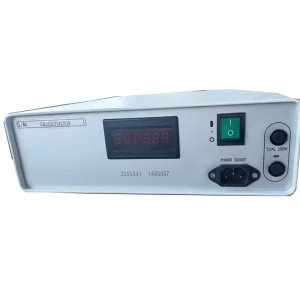
Our engineering and manufacturing operations strictly follow international medical device regulations. We hold certifications for both GB/T42061-2022 and the global standard ISO 13485:2016. These certifications ensure rigorous, trace-monitored manufacturing processes, from raw alloy inspection to finalized sterilization testing.
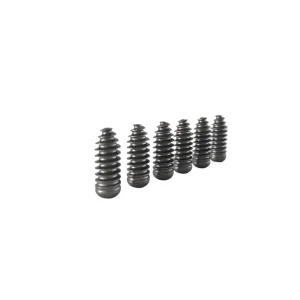
We prioritize bio-compatible implant materials, primarily using Grade 5 Titanium (Ti-6Al-4V ELI) and implant-grade 316LVM Stainless Steel. These materials provide high tensile strength, excellent fatigue resistance, and biocompatibility, minimizing the risk of adverse tissue reactions and supporting long-term structural integrity.
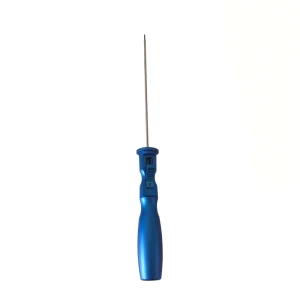
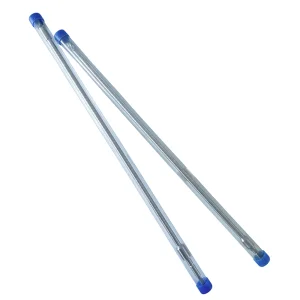
Our flexible reamers are engineered with a cannulated, stainless-steel coiled structure that distributes torsional stress evenly. This configuration allows the tool to follow the natural anatomical curve of long bones, minimizing the risk of cortical perforation while providing smooth, precise debris evacuation.
No. At Bopull Medical, we apply the same material standards and manufacturing tolerances to both human and veterinary orthopedic lines. Veterinary locking plates and ALPS configurations utilize medical-grade titanium and surgical steel to ensure optimal bone healing and structural stability for animals.
Our sales team maintains a response rate of 95.36%, with an average response time of ≤3 hours. We facilitate shipping, logistics documentation, and customs clearance procedures, ensuring all shipments arrive safely with the necessary testing and sterilization validation papers.
 HUL Healthcare Limited