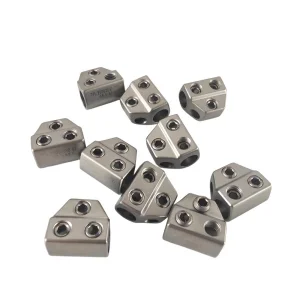
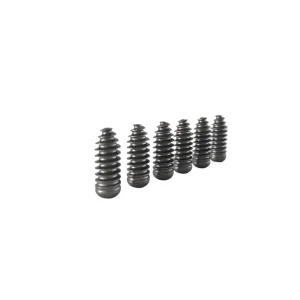
High-performance stabilization hardware engineered to support rapid mobilization and clinical accuracy in critical reconstructive procedures across Tokyo’s metropolitan hospitals.
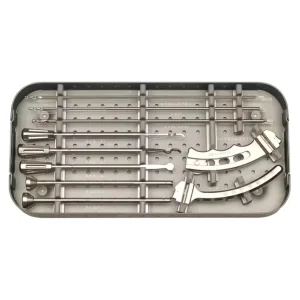
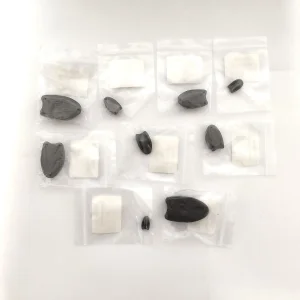
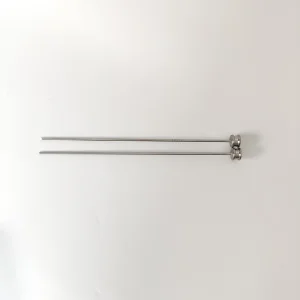
The Kanto Metropolitan Region, home to Tokyo's concentration of elite teaching clinics—such as the University of Tokyo Hospital, Tokyo Medical and Dental University, and Keio University Hospital—stands as one of the world's most advanced healthcare ecosystems. Driven by a rapidly super-aging society, there is an unprecedented clinical demand for high-performance external fixation systems and rigid implantable hardware that minimize surgical duration and encourage early load-bearing.
Unlike Western markets, Tokyo's clinical pathways prioritize extremely tight tolerances, ultra-fine finishing, and comprehensive traceability. Devices must conform not only to global standards but also satisfy the stringent audits of the Pharmaceuticals and Medical Devices Agency (PMDA) of Japan. Crucial to this ecosystem is the relationship between hospital procurement committees and specialized local distributors (Tokuyakuten), requiring manufacturers to deliver flawless bulk custom packages and prompt component replacements.
From an industrial perspective, Tokyo functions as a hub for medical device research and development. To secure a foothold in this highly competitive environment, external fixation components must combine advanced mechanical properties with biological safety, integrating materials such as medical-grade titanium alloys (Ti-6Al-4V ELI) and radiolucent carbon fiber composites.
Exploring the global structural shift toward digital surgical planning, hybrid fixation modalities, and smart orthopedic materials.
Computer-assisted circular ring fixators represent the gold standard for complex multi-planar limb deformities. Advanced systems leverage web-based correction software to calculate progressive adjustment schedules for high-precision limb lengthening.
Transitioning from traditional stainless steel to carbon fiber composite components enables artifact-free fluoroscopic imaging during operations. This transition ensures surgeons can accurately verify bone alignment without metal interference.
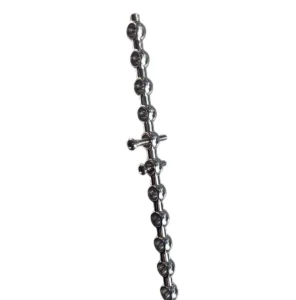
Modern trauma surgeries rely heavily on modular systems that integrate both transfixion wires and half-pins. This design maximizes stability while preserving soft-tissue viability around joint interfaces.
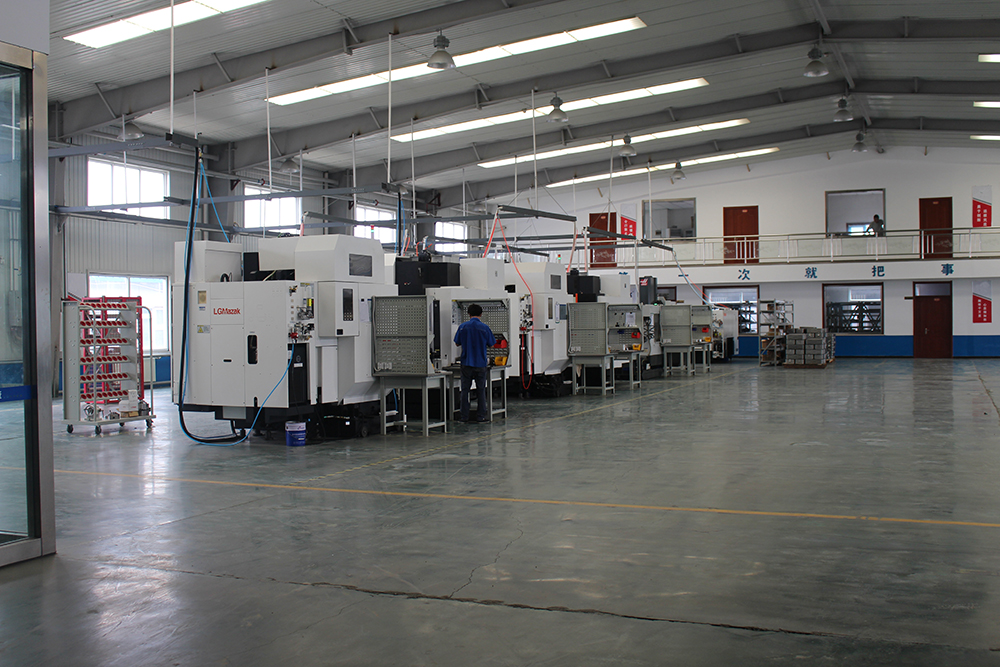
In the highly regulated medical sector, sourcing orthopedic implants requires finding a partner that balances high production speed with strict quality standards. Shenzhen HUL Healthcare Technology (operating manufacturing divisions under Bopull Medical) integrates state-of-the-art Chinese smart manufacturing (Factory 4.0) to deliver exceptional value to Tokyo’s medical distributors.
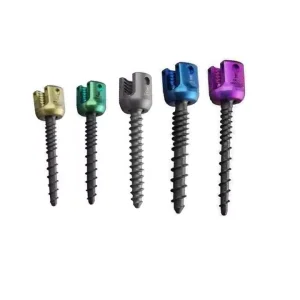
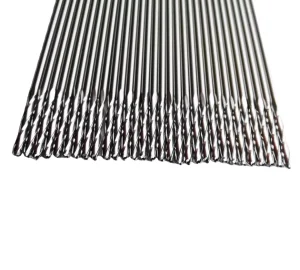
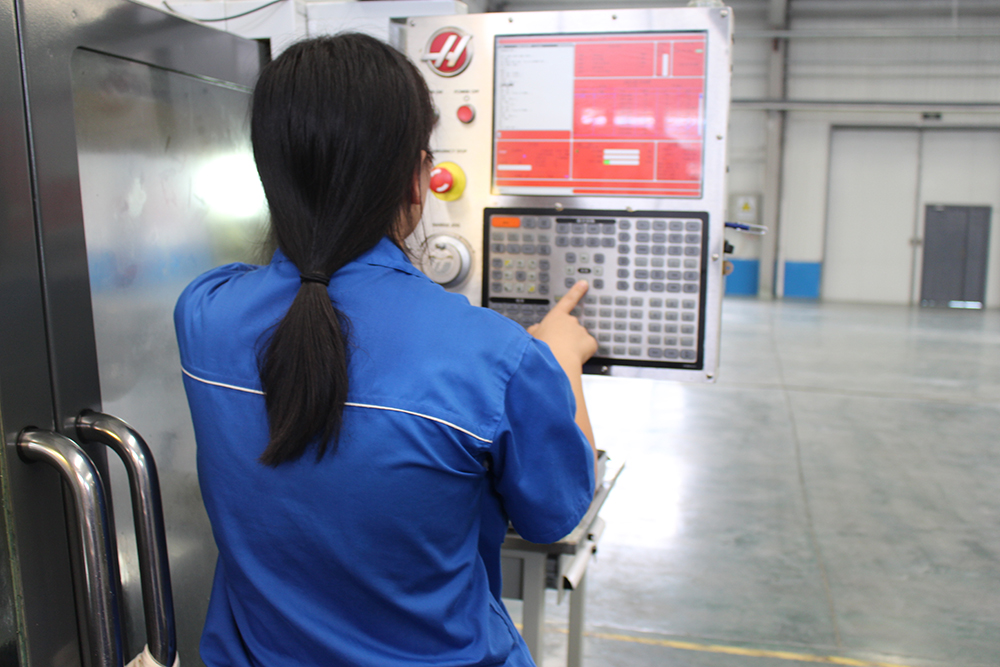
Equipped with advanced 5-axis CNC machining centers, automated electrochemical passivation systems, and Class 10,000 cleanrooms for packaging, our production infrastructure ensures that every external fixation pin, clamp, and connector meets or exceeds international dimensional tolerances. We maintain strict material traceabilities, with each batch of raw titanium or stainless steel accompanied by certified mill test reports.
By leveraging China's robust industrial supply chain, we offer Tokyo partners unmatched flexibility in manufacturing. We can accommodate low-volume, high-mix OEM/ODM orders, which are common for custom pediatric constructs or complex revision cases, without compromising on cost-efficiency. Our logistics network ensures direct door-to-door delivery from Beijing or Shenzhen to Tokyo Haneda or Narita airports, minimizing downtime during critical stockouts.
Translating advanced bio-mechanical engineering into practical clinical solutions for human and veterinary care.
In Tokyo’s primary emergency facilities (such as those in Shinjuku or Shibuya), temporary external fixation remains the standard first line of defense for open tibial or femoral fractures. Fast, modular assembly allows trauma teams to stabilize bone length and rotation within minutes.
Tokyo's highly developed pet care market, centered in residential wards like Setagaya and Minato, requires state-of-the-art veterinary orthopedic implants. From specialized canine SOP pearl plates to TPLO systems, Bopull Medical provides durable, precisely sized constructs for complex companion animal surgeries.
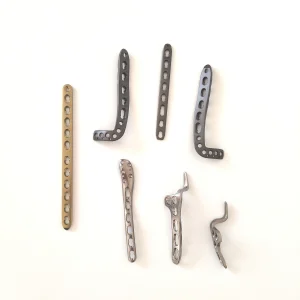
Reconstructive surgeries in university hospitals frequently require customized, patient-specific external frames. Our multi-directional components and titanium transfixion pins offer the high mechanical stability needed to treat challenging non-unions.
Shenzhen HUL Healthcare Technology (Bopull Medical) is committed to transparency, compliance, and international manufacturing standards.
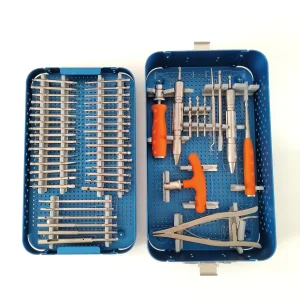
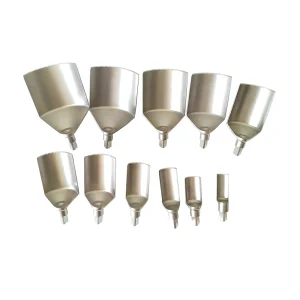
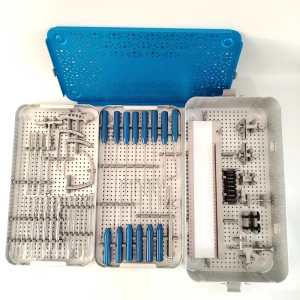
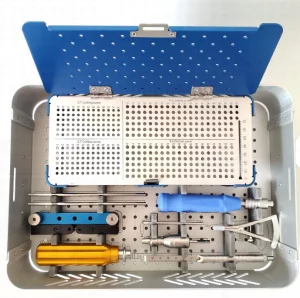
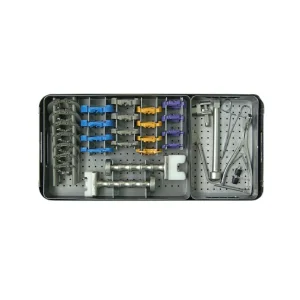
Browse our complete range of CE and ISO-certified implants, surgical instruments, and specialized reconstructive hardware designed for global medical distributors.
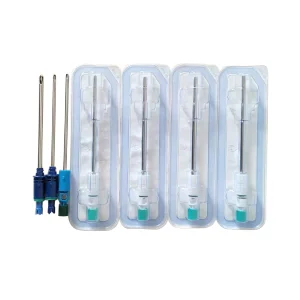
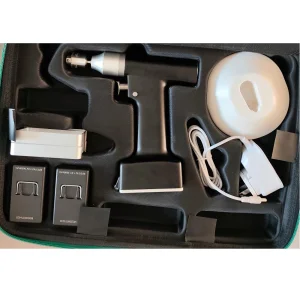
Common questions regarding regulatory standards, material specifications, shipment processes, and OEM partnerships for the Japanese market.
 HUL Healthcare Limited