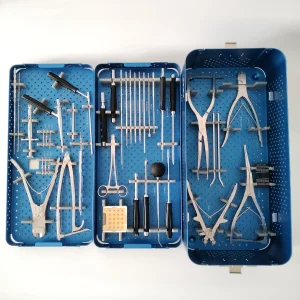
Engineered to strict European standards, these featured orthopedic systems provide reliable performance for human and veterinary applications across the Barcelona medical zone.
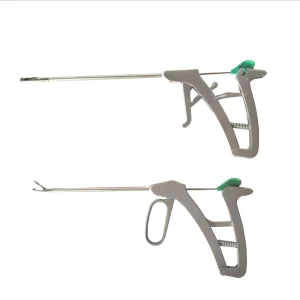
Catalonia's capital stands as a prominent Mediterranean hub for biomedical research, hospital care, and complex trauma management.
Barcelona serves as a critical destination for medical innovation in Spain. It is home to world-renowned clinical and research facilities such as Hospital Clínic de Barcelona, Hospital Universitari Vall d'Hebron, and Hospital de la Santa Creu i Sant Pau. These major centers, along with specialized private networks, manage large volumes of complex orthopedic trauma, reconstructive surgeries, and corrective osteotomies. To support these operations, local healthcare buyers and distributors require implant and instrument suppliers that meet strict regulatory benchmarks while ensuring consistent logistical support.
Additionally, Catalonia has built a robust ecosystem for veterinary medicine. The Universitat Autònoma de Barcelona (UAB) Veterinary Faculty, along with specialized emergency clinics throughout the metropolitan area, drives demand for high-grade implants. In veterinary orthopedics, external fixators and locking plates are widely used to treat fractures in companion animals and working breeds. Suppliers must navigate these dual markets—providing both human-grade trauma systems and high-precision veterinary instruments—with a clear focus on biomechanical reliability and material biocompatibility.
Local hospitals require modular external fixation systems capable of fast, stable assembly during emergency damage control surgeries.
A growing demand for veterinary-specific external fixators, miniature drills, and locking plate configurations designed for small animal anatomy.
All imports must conform to Spanish Agency of Medicines and Medical Devices (AEMPS) guidelines and hold active CE certifications.
How our external fixation components are manufactured to ensure structural integrity and reduce postoperative infection risks.
Reliable external fixation depends on high-quality materials and precise manufacturing tolerances. Devices must balance high load-bearing capacity with lightweight construction to support patient mobility and ease biomechanical stress. Our production lines use medical-grade Titanium Alloys (Ti-6Al-4V ELI) and implant-grade Stainless Steel (316L). These materials are selected for their biocompatibility, corrosion resistance, and low magnetic resonance imaging (MRI) artifacts, ensuring patients can undergo post-operative imaging safely.
For modular external fixator frames, we offer carbon fiber composite rods. These rods provide high radiolucency, allowing surgeons to monitor bone healing and alignment via fluoroscopy and X-ray without interference. Every pin, clamp, and rod assembly undergoes strict quality testing, including fatigue testing, pull-out resistance verification, and corrosion assays in simulated body fluids. This rigorous testing minimizes the risk of structural loosening or implant failure, even under demanding mechanical conditions.
| Material Group | Standard Designation | Typical Applications | Key Mechanical Features |
|---|---|---|---|
| Titanium Alloy | ASTM F136 / ISO 5832-3 | Schanz Pins, Bone Screws, Spinal Pedicle Screws | Excellent strength-to-weight ratio, low modulus of elasticity close to bone. |
| Stainless Steel | ASTM F138 / ISO 5832-1 | External Fixator Clamps, Kirschner Wires, Reamers | High yield strength, wear resistance, cost-efficient clinical profiles. |
| Carbon Fiber | Medical Composite Class IV | Connecting Rods, Ring Fixator Frames | Fully radiolucent, light weight, high torsional rigidity. |
Navigating medical device imports into Spain requires compliance with European Union Regulation 2017/745 (MDR). This regulation establishes strict requirements for traceability, clinical evaluations, and post-market clinical follow-ups. Our orthosynthesis systems and surgical instruments are backed by certified ISO 13485 quality management systems. This certification helps streamline customs clearance at the Port of Barcelona and El Prat Airport, minimizing import delays for distributors.
We provide full technical dossiers, including biocompatibility reports, sterilization validation files, and CE certifications, with every shipment. Working alongside local customs brokers in Catalonia, we ensure all documentation is ready to meet the import standards of the Spanish Agency of Medicines and Medical Devices (AEMPS). This preparation helps prevent administrative delays, allowing critical surgical inventory to reach hospital shelves on schedule.
Learn about our parent organization and production capabilities that support healthcare supply chains worldwide.
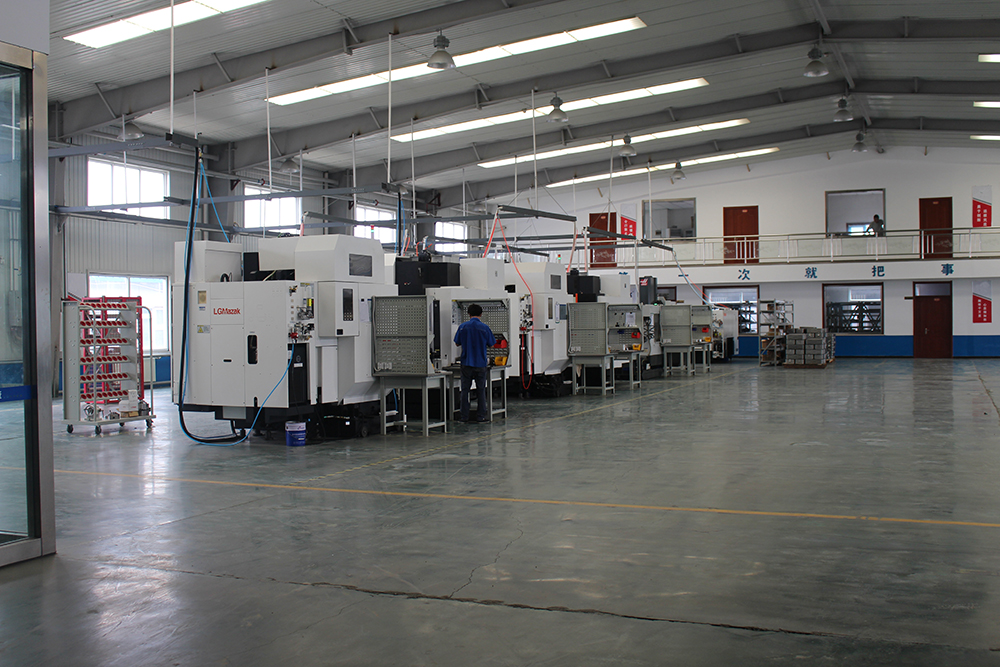
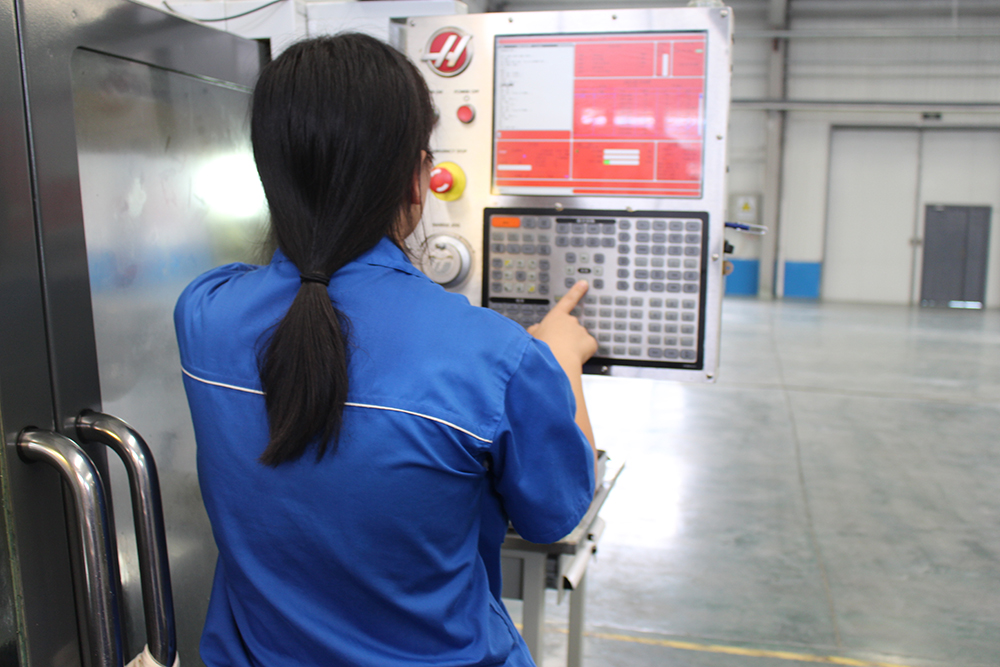
Shenzhen HUL Healthcare Technology Co., Ltd. (operating globally under the brand Bopull Medical) is a certified developer and manufacturer of high-precision orthopedic implants and surgical instruments. We operate in compliance with international quality standards, maintaining a certified GB/T42061-2022 / ISO13485:2016 quality management system. Our facility handles the production process from raw material sourcing and CNC precision machining to final inspection and cleanroom packaging.
With an annual revenue of US$1 Million - US$2.5 Million and a workforce of 301 to 500 professionals, Bopull Medical combines manufacturing capacity with responsive technical service. Our engineering team designs and refines instruments for orthopedic and veterinary procedures. We focus on providing high-quality products that meet or exceed customer expectations, backed by reliable quality management and post-sale technical support.
Developing advanced technologies to meet the evolving needs of orthopedic surgeons and trauma clinics in Europe.
Modern external fixation is moving beyond traditional rod-and-clamp setups toward smart, patient-specific configurations. Our development team is working on dynamic external fixator frames that use load-sensing technology to monitor micro-movements and weight-bearing progress in real time. These smart systems can transmit healing data directly to the surgeon's tablet, allowing clinical teams to adjust rehabilitation protocols based on empirical evidence.
We are also expanding our line of custom, patient-specific orthopedic instruments and titanium plates. Using high-resolution CT scans and selective laser melting (SLM) metal 3D printing, we can manufacture customized plates that match complex bone geometries. This precision is particularly valuable for complex revision surgeries and reconstructive veterinary procedures, where standard implants may not fit properly. Our commitment to ongoing research ensures that our partners in Spain receive modern, clinically effective orthopedic solutions.
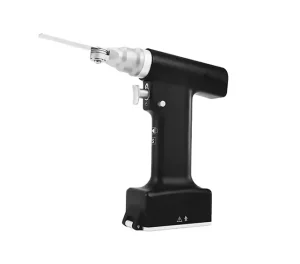
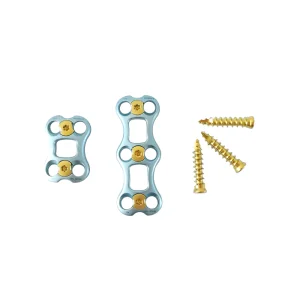
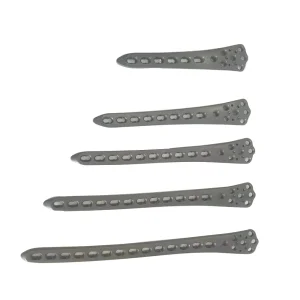
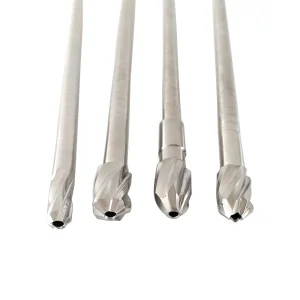
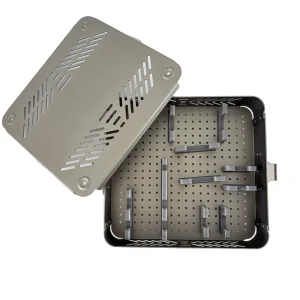
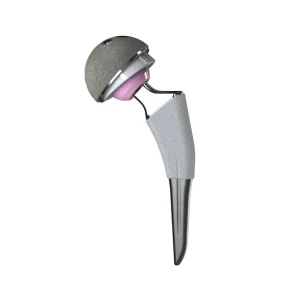
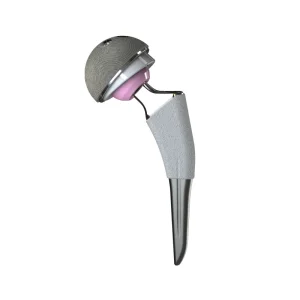
A complete selection of surgical bone drills, reamers, hip joints, and anatomical locking plate systems available for distribution in Catalonia.
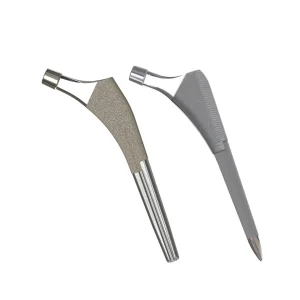
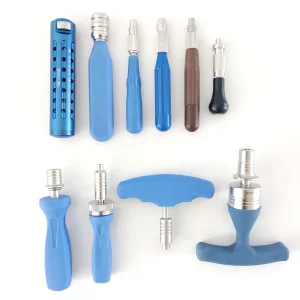
Answers to common inquiries regarding regulatory status, order quantities, shipping logistics, and material standards for the Barcelona market.
Every shipment is accompanied by a full technical package. This includes ISO 13485:2016 quality certificates, CE declarations of conformity (in alignment with EU MDR 2017/745), detailed packing lists, and materials analysis certificates (verifying conformance to ASTM F136 or ISO 5832 specifications). These documents help ensure smooth clearance by the Spanish Agency of Medicines and Medical Devices (AEMPS) at the Port of Barcelona and El Prat Airport.
For standard catalog items, orders are dispatched within 7–14 business days. Customized implant designs or private-label orders generally require 30–45 days for CNC programming, production, precision finishing, and quality control. Standard air freight from our production hub to Barcelona takes approximately 5–7 days, while ocean freight typically takes 25–35 days.
We source medical-grade raw titanium (Ti-6Al-4V ELI) and stainless steel (316L) exclusively from certified, audited suppliers. Our implants undergo chemical passivation and anodization, which creates a stable oxide layer. This layer prevents corrosion in physiological environments and complies with the biological evaluation requirements of ISO 10993.
Yes. We understand that veterinary practices and specialized animal hospitals require smaller, more varied inventory. We offer flexible Minimum Order Quantities (MOQs) for veterinary locking plates, external mini-fixators, and surgical instrument sets, allowing local distributors to manage inventory effectively.
Yes. Our drills, sterilizing boxes, and surgical instrument handles are engineered from high-grade stainless steel (304 or 316L) and medical-grade polymers. They are designed to withstand repeated steam autoclaving cycles (134°C / 273°F) without functional degradation or structural deformation. Detailed cleaning and reprocessing instructions are included in the packaging.
Our quality control team performs comprehensive checks, including dimensional inspection using 2.5D optical measurement systems, surface roughness profiling, and mechanical stress testing. Prior to packaging, components undergo ultrasonic cleaning to remove manufacturing residues, followed by final inspection under magnification to ensure thread integrity and part cleanliness.
Request direct pricing, technical datasheets, or custom manufacturing options. Our technical support team is available to assist with logistics and supply requirements for the Spanish market.
Send Inquiry Now HUL Healthcare Limited