Immediate access to certified osteosynthesis implants and medical-grade instruments supporting trauma surgery and joint replacement.
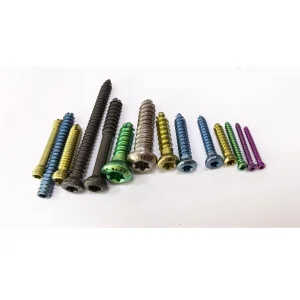
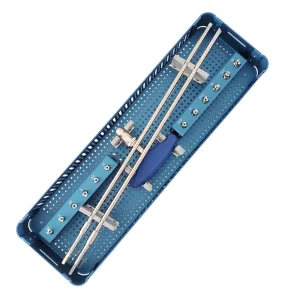
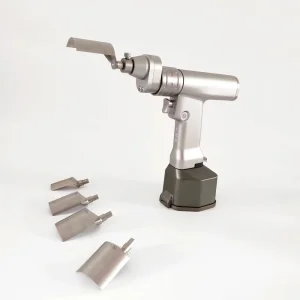
The healthcare sector in Bangladesh is undergoing an unprecedented modernization phase. Fueled by robust economic growth, rising urbanization, and an expanding middle class, the demand for high-quality orthopedic healthcare has surged. Particularly in urban centers like Dhaka, Chittagong, and Sylhet, there is a critical and growing clinical requirement for advanced orthopedic trauma implants, specifically intramedullary interlocking nails.
According to epidemiological surveys, road traffic accidents (RTAs) and industrial injuries remain major causes of long-bone fractures (femur, tibia, humerus) in Bangladesh. Historically, external fixation or conventional plate fixation were the standard methods of treatment due to limited implant availability and technical access. However, modern clinical methodologies heavily favor internal fixation with interlocking nails due to its biomechanical superiority, faster weight-bearing capacity, shorter hospitalization periods, and lower infection rates.
National institutions such as the National Institute of Traumatology and Orthopaedic Rehabilitation (NITOR) in Dhaka, alongside premium corporate hospital groups (such as Evercare, Square, and United Hospitals), have established state-of-the-art orthopedics departments. These centers require a steady, reliable, and compliant supply of medical-grade implants. Importers, distributors, and procurement teams in Bangladesh face the unique challenge of selecting international suppliers who can provide regulatory-approved, CE-certified, and ISO-compliant devices that fit the domestic market's economic realities.
For public and private healthcare organizations in Bangladesh, the global sourcing landscape requires rigorous filtering of exporters. Price-performance ratio, regulatory readiness, logistical agility, and metallurgical reliability are the cornerstones of successful partnerships.
Exporters must hold ISO 13485:2016 and CE certifications to meet DGDA clearance mandates in Bangladesh.
Clean processes regarding Letter of Credit (L/C) requirements mandated by the Bangladesh Bank.
Exclusively sourcing surgical grade Titanium Alloy (Ti-6Al-4V ELI) and Medical Stainless Steel (316LVM).
Furthermore, distributors in Bangladesh must manage complex import processes. Custom clearance through the Chittagong seaport or Hazrat Shahjalal International Airport requires flawless commercial documentation, including Certificate of Origin, Certificate of Free Sale (CFS), and detailed material mill certificates. Working with an experienced medical exporter who understands the documentation requirements of the Directorate General of Drug Administration (DGDA) is paramount to preventing inventory blockades.
The shift from open reduction plate fixation to closed intramedullary interlocking nailing represents a macro-industry evolution in trauma management. Biomechanically, interlocking nails function as load-sharing devices rather than load-bearing devices. By occupying the intramedullary canal, the nail aligns the bone fragments and shares structural loads with the surrounding cortical bone.
Our comprehensive surgical portfolio addresses the dynamic stability needs of orthopedic surgeons. An interlocking nail must provide rotational stability while preventing axial shortening. This is accomplished via precise proximal and distal locking configurations. For example, our distal locking bolt positioning options accommodate multi-planar configurations, ensuring absolute stabilization in highly comminuted or metaphyseal-diaphyseal junction fractures.
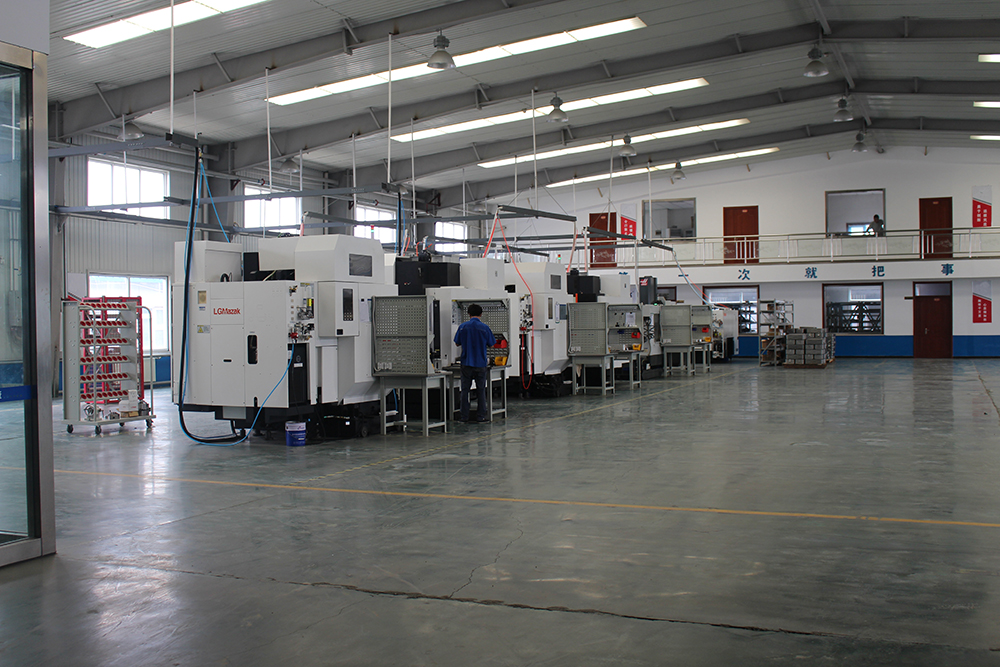
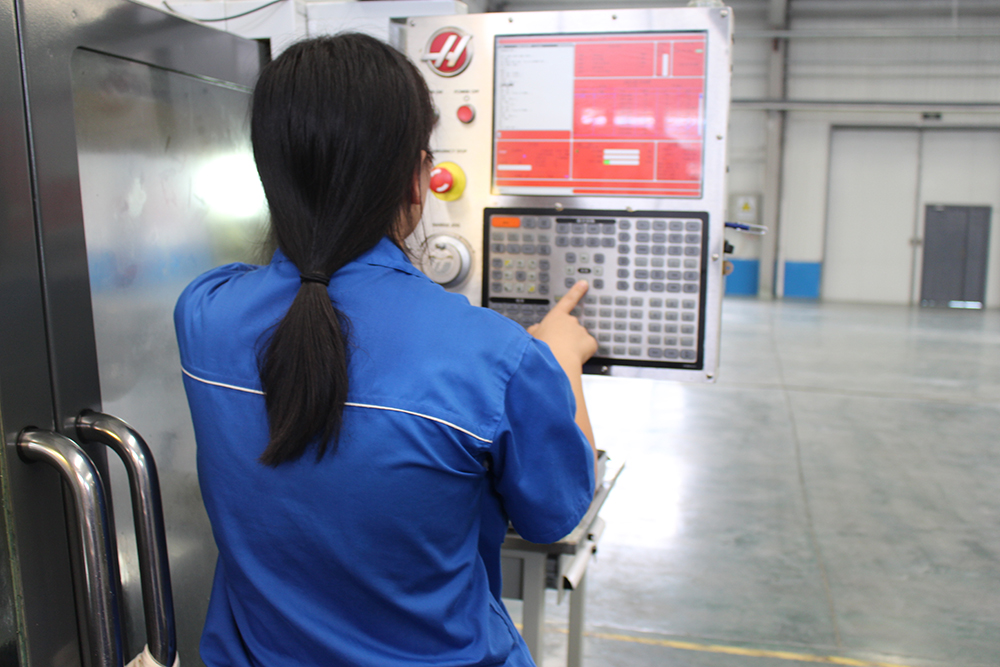
The next generation of intramedullary fixation is moving rapidly toward intelligent design and smart materials. We are actively investing in engineering research to stay ahead of the technology curve, offering Bangladeshi clinics advanced options for patient care:
Supporting multi-disciplinary medical setups in Bangladesh, including human trauma divisions, spinal care, and veterinary clinical centers.
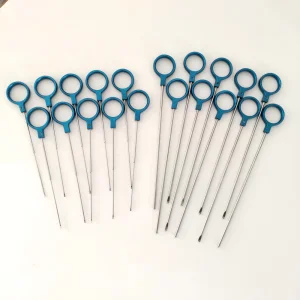
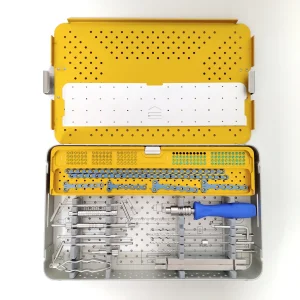
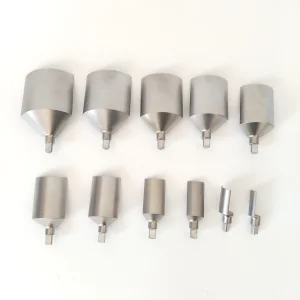
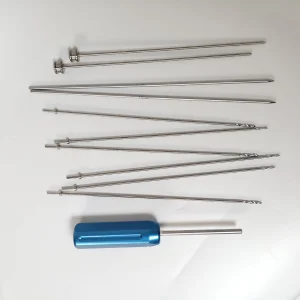
The import of orthopedic medical devices is governed stringently by the Directorate General of Drug Administration (DGDA) under the Ministry of Health and Family Welfare of Bangladesh. To establish a friction-free procurement pipeline, Bopull Medical works alongside local clinical distributors, ensuring all essential administrative and regulatory standards are met.
Every consignment exported to Bangladesh is accompanied by a standardized quality package:
As industrial activities and infrastructure development (such as the Padma Bridge rail link, metro projects, and heavy industrial zones in Narayanganj and Gazipur) intensify, orthopedicians observe a distinct shift in fracture complexity. Complex multi-fragmentary periarticular fractures have risen relative to simple shaft fractures.
To meet this challenge, surgical technique requires the integration of high-grade locking plates, cannulated compression screws, and intramedullary nails. For instance, in proximal femoral fractures, the selection of a Cephalomedullary Interlocking Nail (such as a reconstruction nail or PFNA style) allows stable fixation, preventing cut-out and allowing early mobilization of elderly patients—greatly reducing morbidity rates in the country.
Providing clear answers to procurement managers and clinical directors in Bangladesh.
Partner with an ISO 13485 certified manufacturer to secure consistent, high-precision interlocking nails and trauma implants at sustainable pricing.
Send Inquiry Now HUL Healthcare Limited