Highly optimized components designed for primary total hip and knee arthroplasty, matching regulatory metrics for advanced hospitals in Lisbon and Porto.
Demographic transitions and surgical modernization drive Portugal's joint reconstruction market.
Portugal is experiencing one of the most prominent demographic aging curves in the European Union, with over 22% of its population aged 65 or older. This demographic shifts the priority of the Portuguese National Health Service (Serviço Nacional de Saúde - SNS) and private healthcare operators (such as Luz Saúde and CUF) toward cost-effective, high-longevity orthopedic interventions. Total Hip Arthroplasty (THA) and Total Knee Arthroplasty (TKA) have become standard procedures requiring high volumes of durable, bio-compatible joint prostheses.
While Portugal is renowned for its advanced mold-making, metalworking, and precision engineering clusters located in regions like Marinha Grande and Aveiro, domestic production of finished class III orthopedic medical devices remains highly specialized. Consequently, local distributors and public hospital systems rely on a strategic combination of domestic assembly and international importing partnerships to secure consistent, high-standard supplies of implants.
As surgical techniques transition toward minimally invasive surgeries (MIS) and robotic-assisted joint replacement, the raw material composition and tribology of joint prostheses must evolve simultaneously.
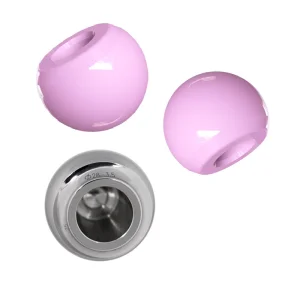
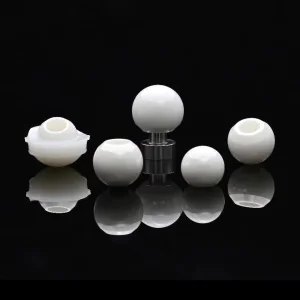
Development of ultra-low wear bearings utilizing Biolox Delta ceramics and vitamin-E stabilized Highly Cross-Linked Polyethylene (HXLPE) to minimize osteolysis-inducing wear debris, extending implant lifespans to over 25 years.
Adoption of 3D-printed electron beam melting (EBM) titanium surfaces that mimic trabecular bone geometry. This facilitates rapid biological primary fixation and long-term osteointegration without requiring bone cement.
Integration of patient-specific instrumentation (PSI) mapped via pre-operative CT/MRI scans and exploration of embedded force sensors to provide quantitative feedback on joint alignment during surgery.
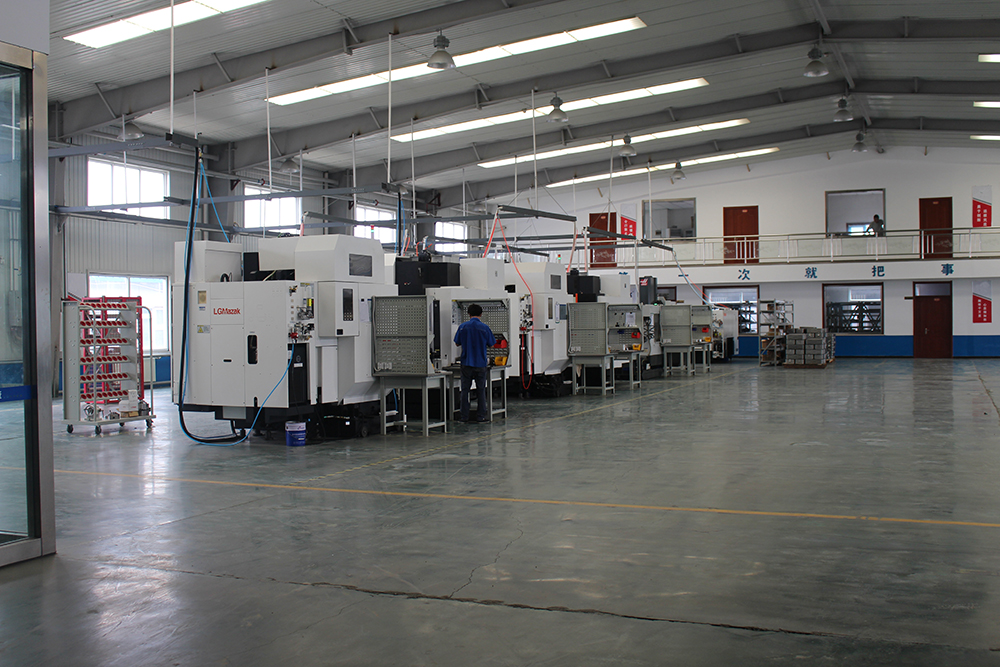
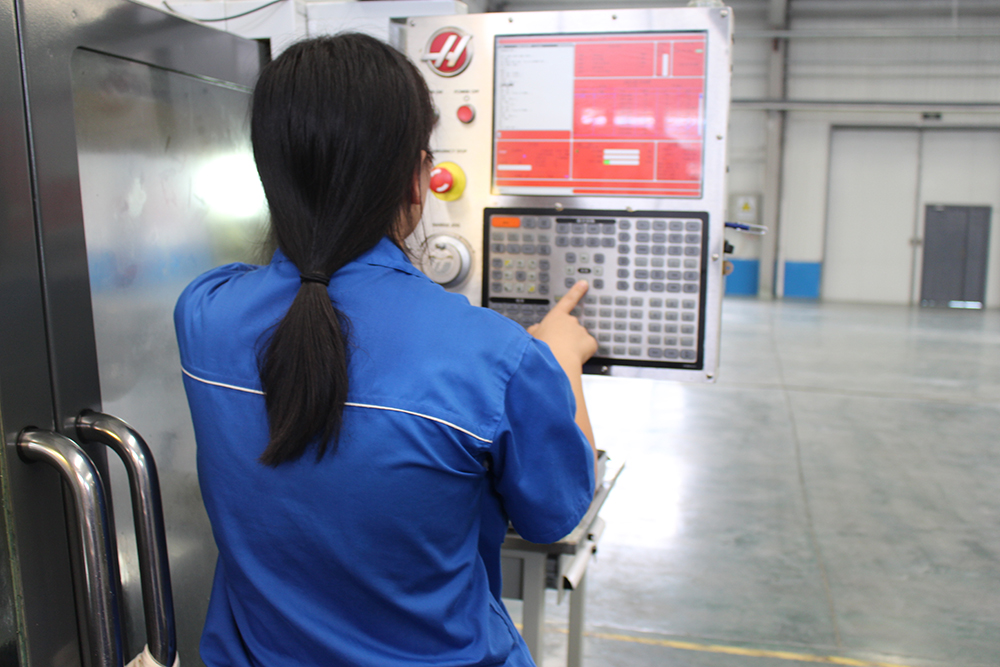
For medical distributors in Portugal, balancing unit cost with stringent regulatory compliance is the ultimate challenge. HUL Healthcare (Bopull Medical) provides a localized response to this dilemma. By incorporating state-of-the-art multi-axis CNC machining, automated cleanroom packaging (Class 10,000 / ISO 7), and advanced coordinate measuring machines (CMM), we provide precision implants that match or exceed Western European manufacturing metrics at a sustainable cost structure.
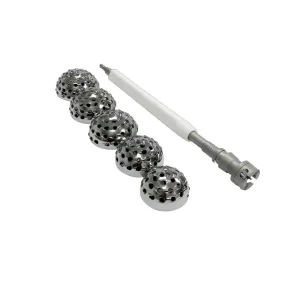
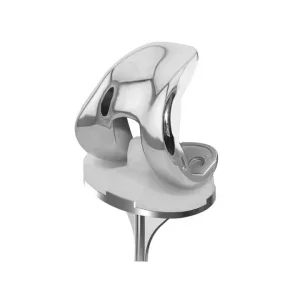
Our ISO 13485-certified facilities are optimized for medical-grade raw materials (including Ti-6Al-4V ELI, CoCrMo alloys, Ultra-High Molecular Weight Polyethylene, and advanced Zirconia/Alumina ceramics). This ensures that every acetabular cup, femoral stem, and knee prosthesis system supplied to Portugal or wider European channels meets high-precision tolerances.
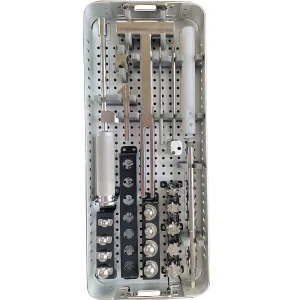
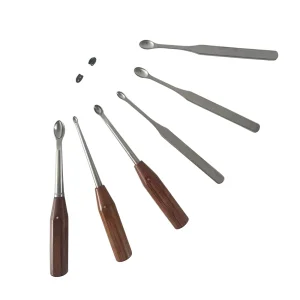
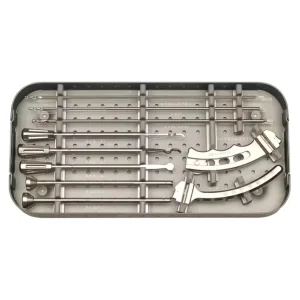
Explore our clinical-grade implants, veterinary joint systems, and high-precision instrument sets engineered for orthopedic surgeries in Portugal.
Exporting Class III medical devices (such as joint prostheses) into the European Union, specifically to Portugal, requires compliance with regulatory standards. Since the transition from MDD 93/42/EEC to the new Medical Device Regulation (EU) 2017/745 (MDR), the technical requirements for clinical evaluation, biological safety validation, and post-market clinical follow-up (PMCF) have become rigorous.
HUL Healthcare operates with a compliance-first methodology. We ensure all exported joint components, femoral heads, and surgical instrument kits are fully documented with complete Technical Files, including:
By offering localized DDP shipping options, customs clearance assistance for Portuguese entry points (Port of Leixões/Lisbon), and digital tracking, we eliminate the operational headaches typically associated with orthopedic imports.
To support high-volume tender requests from Portuguese hospitals (both public SNS tenders and private hospital alliances), HUL Healthcare provides comprehensive supply chain solutions:
1. Custom Instrumentation: We deliver surgical instruments (such as acetabular reamers and trial stems) color-coded or size-matched to our implants, streamlining operating room setups.
2. Sterile Unit Packaging: Implantable units are packed in double-barrier Tyvek packaging within Class 100 sterile environments, allowing direct hospital use.
3. High-Flexibility Production: Small-batch custom sizing available for regional anatomical requirements or veterinary-specific configurations.
Access answers to the most common questions raised by medical directors, hospital purchasing boards, and distributors in Portugal.
Joint prostheses are classified as Class III (high-risk) medical devices under the European Union Medical Device Regulation (EU MDR 2017/745). To import them into Portugal, the manufacturer must possess a valid CE Certificate issued by an authorized Notified Body, assign an Authorized Representative (EC Rep) in the EU, and register the products in the INFARMED database (Eudamed registry). HUL Healthcare aligns with authorized European partners to ensure seamless compliance for all shipments.
Our manufacturing processes utilize precision 5-axis CNC machining centers combined with computerized inspection. Each batch of surgical instruments, such as acetabular reamers and femoral stems, is verified using coordinate measuring machines (CMM) to guarantee dimensional tolerances within ±0.01 mm, eliminating surgical compatibility issues during arthroplasty procedures.
We source orthopedic-grade raw materials matching ISO and ASTM specifications. This includes Titanium Alloy (Ti-6Al-4V ELI conforming to ISO 5832-3), Cobalt-Chromium-Molybdenum Alloy (CoCrMo conforming to ISO 5832-12), medical-grade Alumina/Zirconia composite ceramics, and Ultra-High Molecular Weight Polyethylene (UHMWPE conforming to ISO 5834-2) for joint wear liners.
For standard orthopedic configurations, dispatch can occur within 4-6 weeks depending on volume. For customized patient-specific instrumentation or OEM modifications, engineering mapping takes 2 weeks, followed by a 6-8 week production window (inclusive of physical testing and cleanroom packing).
We provide local distributors with comprehensive regulatory support files, training videos, and customizable surgical demonstration kits. Additionally, our multi-lingual customer service guarantees response times of less than 3 hours, offering support for urgent clinical bids.
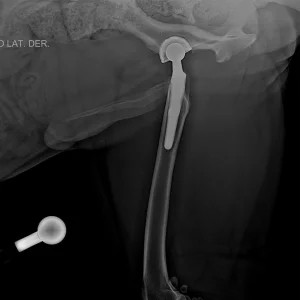
Yes. We have developed specialized animal implants, including our 4#-10# Veterinary Hip Joint Prosthesis Instrument Sets. These are specifically tailored to domestic and laboratory animals, matching regional clinical trials and research requirements in Lisbon and Coimbra.
Connect with our technical engineers to obtain CE-compliant documentation, structural engineering test reports, or bulk pricing options tailored for Portugal's orthopedic market.
Request OEM/ODM Pricing Structure HUL Healthcare Limited