Advanced trauma locking configurations designed to optimize patient recovery times within Eastern European surgical frameworks.
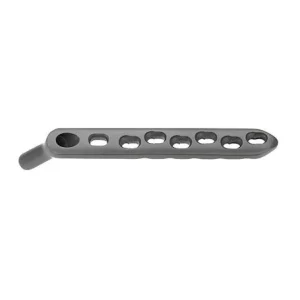
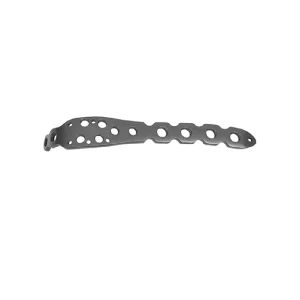
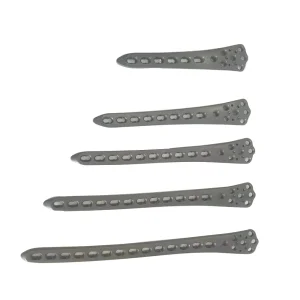
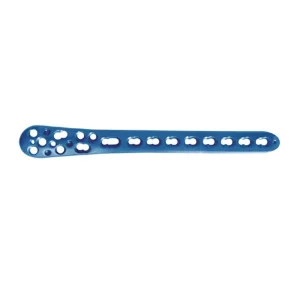
The healthcare sector in Bulgaria is undergoing a profound structural modernization process. Driven by an aging population demographics—where over 21% of the population is aged 65 or older—the demand for primary arthroplasty, complex joint revisions, and trauma osteosynthesis systems has grown exponentially. According to recent clinical surveys, major university hospitals in Sofia, Plovdiv, and Varna encounter elevated rates of osteoporotic femoral neck fractures, demanding highly stable and biomechanically optimized implants.
Bulgaria’s national health system, managed under the National Health Insurance Fund (NZOK), places strong emphasis on value-based procurement. While medical devices are partially subsidized, hospitals and private healthcare groups are actively transitioning toward high-end, internationally certified implant suppliers to reduce post-operative complications and revision rates. Consequently, titanium alloy locking plates and anatomical joint prostheses must meet strict mechanical compliance indicators to assure surgical efficacy.
Procurement teams within European borders, especially within the EU-aligned Bulgarian market, balance their acquisition policies between regulatory compliance (CE/MDR compliance) and long-term economic sustainability. Hospitals focus heavily on the following variables:
Direct Response Rate
Technical Response Time
Specialized Professionals
Annual Buyer Reorder Rate
Modern osteosynthesis relies deeply on surface modification engineering. To facilitate rapid osseointegration and limit biofilm formations that lead to nosocomial infections, HUL Healthcare employs state-of-the-art anodizing protocols. Our trauma and joint reconstruction products utilize Type II electrochemical anodization, which yields a highly dense titanium oxide layer. This layer prevents metal ion release, increases wear resistance, and minimizes cold welding between screws and locking plates.
Furthermore, our veterinary orthopedics division applies these human-grade manufacturing methods to specialized canine and feline anatomical configurations. Vet clinics in regions like Sofia and Varna now demand structural locking systems like the TPLO saw system and matching locking screws, which ensure immediate post-operative stability in active companion animals.
Importing medical devices into the European Union demands rigorous adherence to regulatory pathways. In Bulgaria, registration with the Bulgarian Executive Agency on Medicines (BDA) is mandatory. HUL Healthcare handles these technical compliance requirements through an integrated Quality Management System certified to GB/T42061-2022 and ISO13485:2016 international standards.
We prepare comprehensive documentation, including ISO13485 certificates, CE declarations of conformity, biocompatibility reports, clinical trial summaries, and localized labels to facilitate rapid customs clearance. Additionally, with an annual revenue of US$1.0 - 2.5 million and strong supply chain roots, we ensure flexible delivery options and robust post-sale support for hospitals across Bulgaria.
A glimpse into our advanced cleanrooms and CNC milling plants ensuring micrometer precision across all orthopedic and trauma implants.
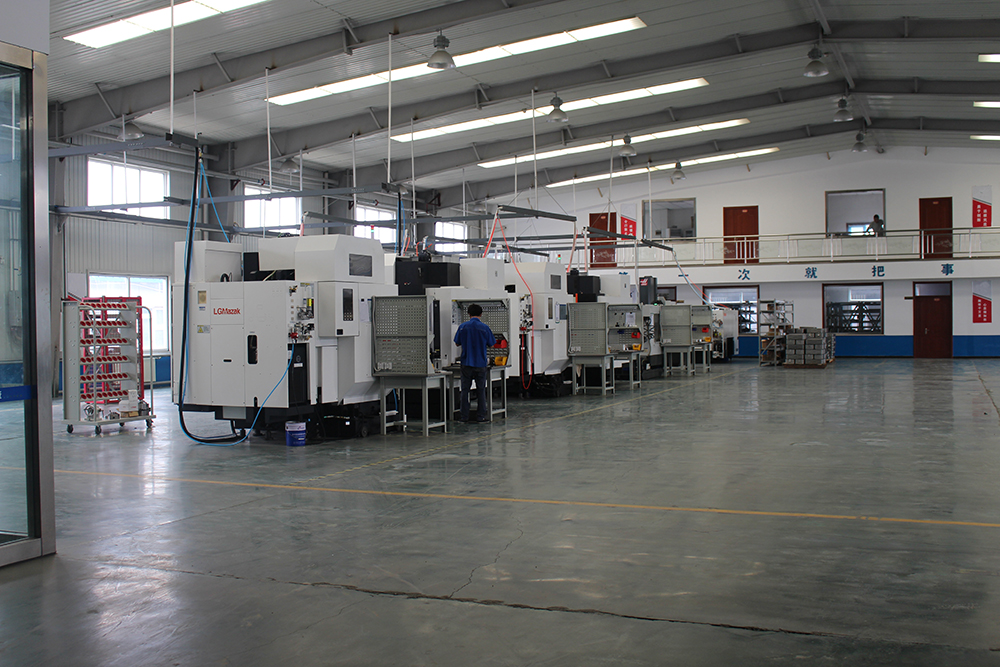
Class-10,000 cleanroom environments and high-precision CNC machining centers for milling titanium locking plates.
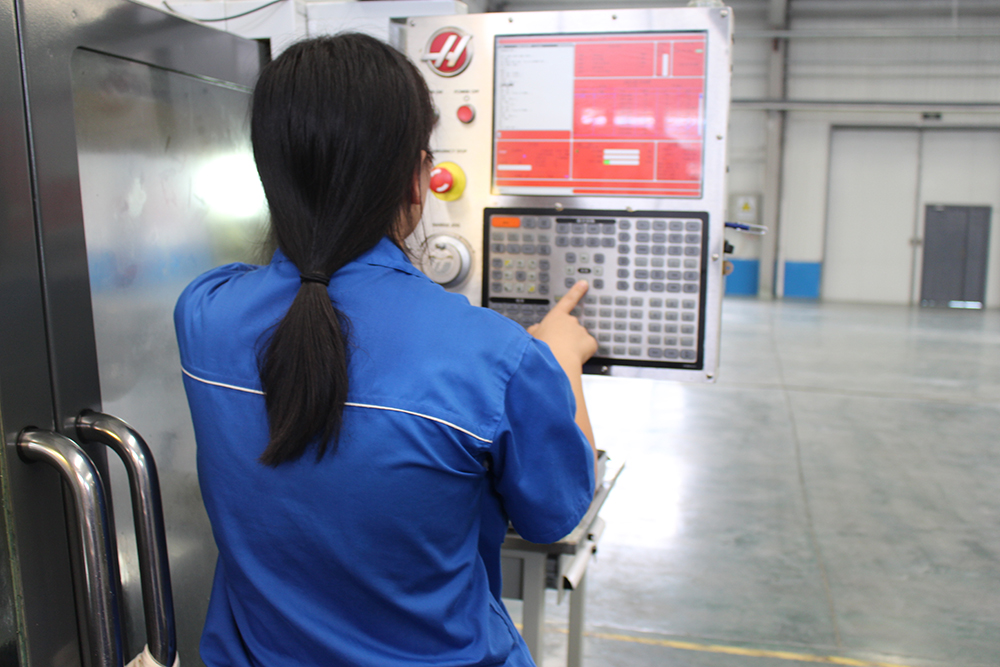
Rigorous tensile strength and mechanical fatigue testing systems ensuring complete adherence to EU-MDR parameters.
Fully compatible with standard surgical workflows in Bulgaria's leading public and private orthopedic departments.
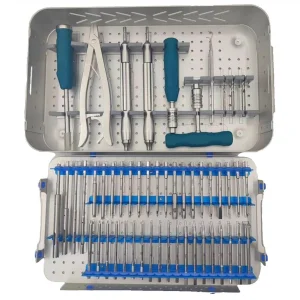
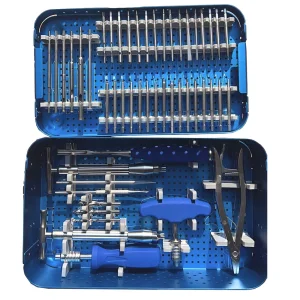
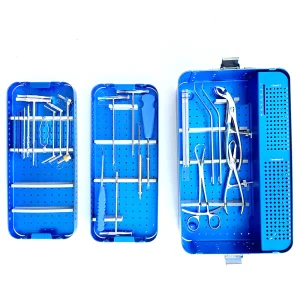
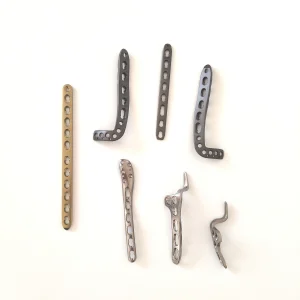
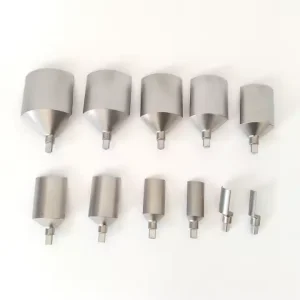
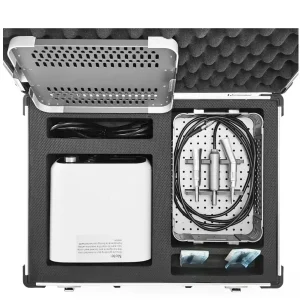
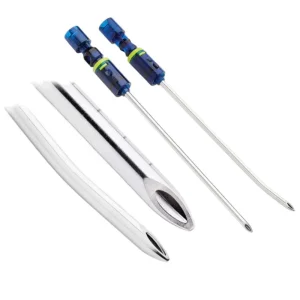
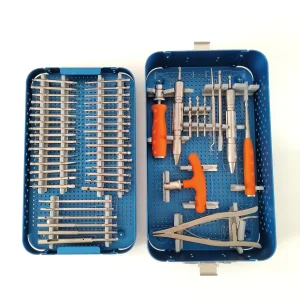
Pioneering innovations in joint prosthetics and customized patient solutions.
As orthopedic surgery transitions toward personalized, digitalized treatment pathways, Bopull Medical is expanding its product pipelines into 3D-printed porous implants. Utilizing Electron Beam Melting (EBM) and Direct Metal Laser Sintering (DMLS), we can produce trabecular structures that mimic natural bone architecture. This advance increases primary structural stability, promoting faster osteoblast attachment, particularly in revision joint replacements.
For trauma procedures, our engineering team is developing biodegradable magnesium alloy fixation pins and intelligent locking plates integrated with real-time healing biosensors. These innovations aim to reduce the need for secondary surgeries to remove temporary implant fixtures, mitigating recovery risks and easing the economic load on health insurance frameworks.
Addressing core regulatory and operational questions for purchasing managers and biomedical engineers.
 HUL Healthcare Limited