High-performance implants configured to match the clinical requirements of primary and revision surgeries across Egypt's healthcare networks.
Egypt is undergoing a major healthcare transformation. Driven by the national Universal Health Insurance System (UHIS) rollout and a population exceeding 110 million, the clinical demand for orthopedic reconstruction has surged.
Due to factors like an aging demographic, high trauma rates, and metabolic changes leading to early-onset osteoarthritis, the volume of primary total hip arthroplasty (THA) and total knee arthroplasty (TKA) procedures has risen significantly in Cairo, Alexandria, and key Delta regions. Local hospitals face the dual challenge of sourcing high-quality implants that meet strict international regulatory standards while optimizing procurement budgets.
Compliance with the Egyptian Drug Authority (EDA) registration pathways and UDI (Unique Device Identification) mandates is essential. Our production lines are designed to provide the necessary technical files and raw material certifications (ISO 5832) to simplify the EDA import process for Egyptian distributors.
High Flexion Demands: Many patients in Egypt require joint prostheses designed for cultural practices, including prayer and traditional sitting postures. This requires high-flexion knee configurations (TKA) with broad range-of-motion metrics.
Budget-Quality Balance: Public hospitals under the General Authority for Healthcare (GAH) require cost-effective options, while private hospitals demand premium biomaterials like ceramic-on-polyethylene interfaces.
Supply Chain Security: Import lead times and port clearance cycles in Egypt require manufacturers to offer reliable logistics support, standardized sterilizations, and customizable packaging.
Comparing international orthobiologic materials, tolerances, and surface treatments utilized in our production facilities.
Utilizing high-grade Titanium alloy (Ti-6Al-4V ELI) conformant to ASTM F136 standards and Cobalt-Chromium-Molybdenum (CoCrMo) under ISO 5832-12. These materials provide high fatigue strength, tensile limits, and corrosion resistance within the synovial environment.
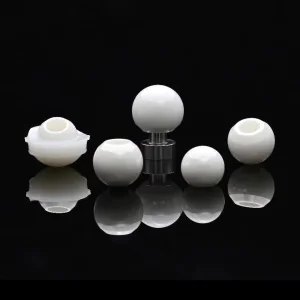
Ceramic-on-polyethylene (CoP) and metal-on-polyethylene (MoP) articulations engineered to minimize volumetric wear rates. Highly cross-linked polyethylene (XLPE) options infused with Vitamin E are available to reduce oxidation and prolong implant life expectancy.
Implant fixation is optimized through plasma-sprayed Hydroxyapatite (HA) coatings or rough titanium porous coatings. This promotes rapid osseointegration and reliable mechanical locking, reducing the risk of aseptic loosening in younger patients.
| Implant Material Grade | Primary Application Area | Mechanical Properties (Yield/Tensile) | Biocompatibility Certification |
|---|---|---|---|
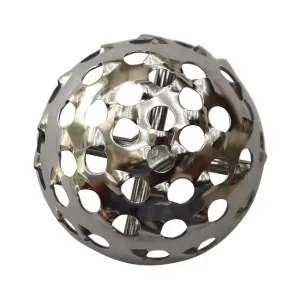
| Ti-6Al-4V ELI (ASTM F136) | Cementless Femoral Stems, Acetabular Shells, Metal Mesh | Yield Strength ≥ 795 MPa | Tensile ≥ 860 MPa | ISO 5832-3 compliant, high tissue compatibility |
| CoCrMo Alloy (ISO 5832-12) | Cemented Stems, Femoral Heads, Knee Condylar Components | Yield Strength ≥ 500 MPa | Tensile ≥ 1000 MPa | Excellent wear resistance on UHMWPE/XLPE liners |
| BIOLOX delta Ceramic Equivalent | Premium Femoral Heads & Liner Inserts | Bending Strength ≥ 1100 MPa | Hardness ≥ 2000 HV | Ultra-low wear rates, ideal for active younger patients |
Regulatory Alignment: Fully compliant with GB/T42061-2022 idt ISO13485:2016 quality management system standards. We maintain strict control over every stage of production, from raw material inspection to final sterile packaging.
Production Scale: Staffed by 301-500 employees, our factory utilizes high-precision CNC machining centers, automated polishing stations, and Class 100,000 cleanrooms for packaging and sterilization preparation.
Response Excellence: We achieve a response rate of 95.36% with an average response time of ≤3 hours, ensuring smooth coordination with import partners in Egypt.
Financial Health: With annual revenues of USD 1M - 2.5M, we continuously reinvest in R&D and advanced testing equipment to ensure long-term product reliability.
Shenzhen's advanced supply chain ecosystems allow us to combine efficient cost structures with reliable quality control, making our implants a competitive option for the Egyptian market.
By integrating raw material sourcing, CNC machining, surface coatings, and sterile packaging within a single quality-managed ecosystem, we minimize production variations and lead times. This allows Egyptian medical firms to optimize procurement and focus on local hospital relationships and clinical training.
For OEM/ODM projects, we provide customized laser-marking, patient-matched surgical templates, and custom-sized femoral stems. This flexibility helps our partners secure tenders with the Egyptian Ministry of Health and Military Hospitals.
Skilled Staff & Engineers
Medical Quality Certified
Client Response Rate
Client Reorder Rate
From University Hospitals to Specialized Veterinary Clinics: How our portfolio meets specific medical needs.
Teaching centers in Cairo, Alexandria, and Assiut perform high volumes of joint replacements. Our surgical reamer instruments and implant kits are designed for repeated autoclaving cycles and ease of use in resident training environments.
Private facilities in Maadi or New Cairo cater to active patients seeking early mobility. They prefer high-performance tribological designs, such as delta-ceramic equivalent femoral heads, to reduce wear rates and extend implant service life.
Advanced clinics in Cairo and Giza are performing hip reconstructions in working and domestic animals. Our specialized veterinary hip prosthesis instrument sets support local animal hospitals in providing durable reconstructive care.
Adapting manufacturing strategies to shift the competitive landscape for regional healthcare procurement.
Cementless systems (press-fit implants) are becoming increasingly popular due to their ability to promote biological fixation and preserve bone stock. Our cementless options feature rough titanium plasma sprays and porous structures to optimize primary stability.
Sterilization logistics represent a key cost factor for Egyptian hospitals. We address this by designing instrument kits that reduce the number of surgical trays required, simplifying processing and setup times in the operating room.
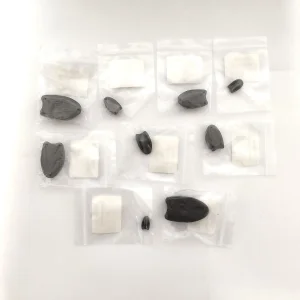
Our core product line of implants, meshes, and surgical instruments designed to meet international orthobiologic specifications.
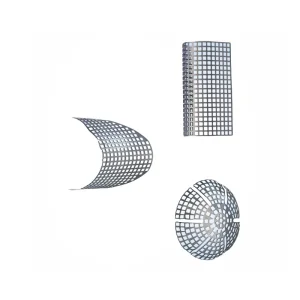
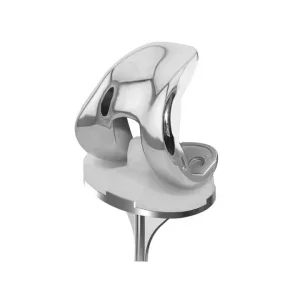
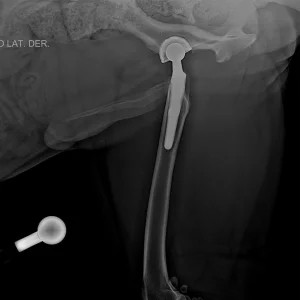
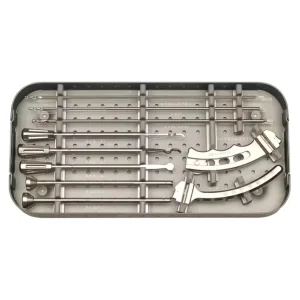
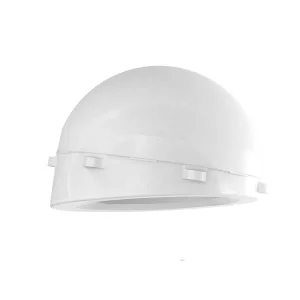
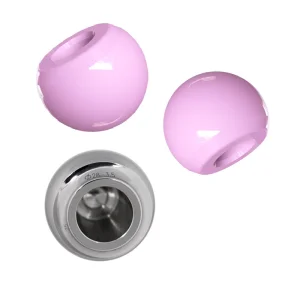
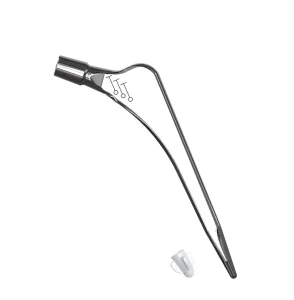
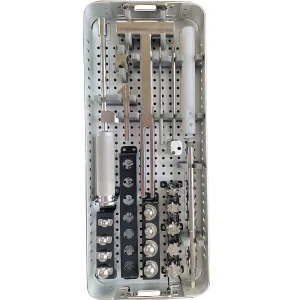
Key information regarding regulations, materials, minimum order quantities, and shipment procedures for Egypt.
We provide a comprehensive documentation package to support the EDA registration process. This includes ISO 13485:2016 certificates, Certificate of Free Sale (CFS), detailed raw material analysis certificates (ISO 5832 series), bio-compatibility reports, cleanroom inspection logs, and clinical evaluation files. All documents can be apostilled and legalized at the Egyptian Embassy in China.
Our cleanrooms operate under ISO Class 7 (Class 10,000) air cleanliness conditions, monitored for airborne particulate matter and bioburden levels. Final sterilization is performed using validated Gamma Irradiation or Ethylene Oxide (EO) protocols in accordance with ISO 11137 and ISO 11135 standards. We supply full sterilization certificates for every batch.
Our medical-grade alumina/zirconia composite ceramic heads, combined with highly cross-linked polyethylene (XLPE) liners, achieve wear rates under simulated physiological loading profiles. Standardized laboratory simulator tests indicate volumetric wear rates below 1.5 mm³ per million cycles, minimizing long-term risk of osteolysis.
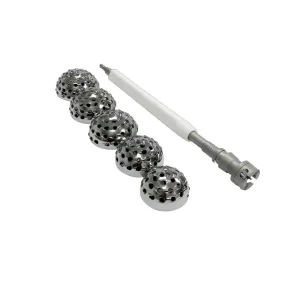
We offer modular revision stems with varying lengths and distal diameters, and we support OEM/ODM designs for reconstruction requirements. Additionally, we provide specialized instruments, including acetabular cup burnishing reamers and extraction tools, to facilitate the safe removal of primary hardware during revision procedures.
For standard inventory items, processing and dispatch occur within 10 to 15 business days. Custom OEM/ODM requests typically require 35 to 50 days, depending on geometry complexity. Shipments to Port Said, Sokhna, or Alexandria via sea freight usually take 25 to 35 days, while air freight options are available for urgent clinical cases.
A look inside our ISO 13485:2016 certified facility, showing where implants are processed, polished, and packaged.
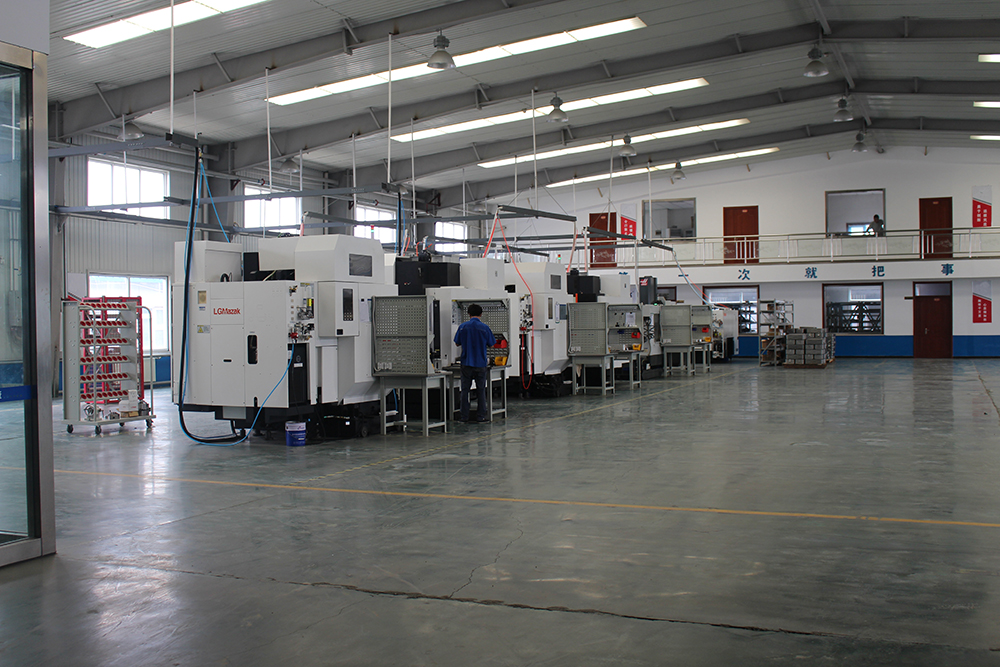
Class 100,000 Cleanroom & Assembly Infrastructure
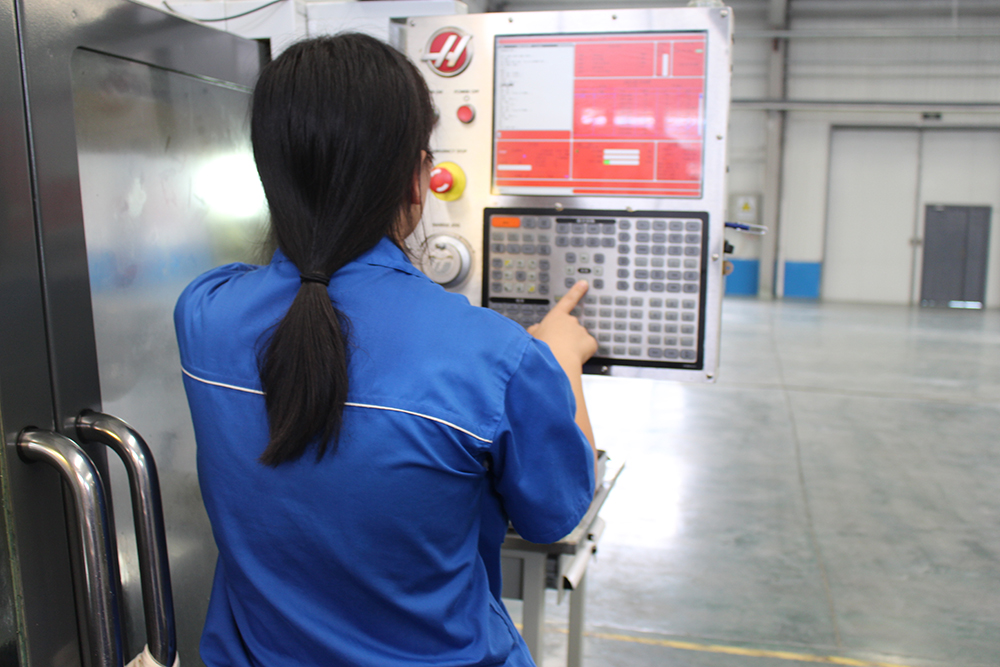
High-Precision Axis CNC Machining Units for Joint Prosthesis Parts
Interested in importing premium orthopedic implants, customizing OEM instrument kits, or establishing distribution channels in Egypt? Our technical team is available to assist with product documentation and quotes.
Send Inquiry Now HUL Healthcare Limited