Joint Prosthesis Manufacturer & Factories Serving Hamburg

Empowering Hamburg's Orthopedic Infrastructure with ISO 13485:2016 Certified Implant Solutions & Global OEM/ODM Capacities

Executive Summary: The Hamburg Orthopedic Ecosystem & Supply Chain Dynamics

Hamburg stands as one of Northern Europe’s primary medical and healthcare clusters. Anchored by world-renowned academic medical centers such as the University Medical Center Hamburg-Eppendorf (UKE), the specialized Helios ENDO-Klinik Hamburg (a global reference center for joint replacements performing over 9,000 reconstructions annually), and the extensive network of the Asklepios Kliniken, the metropolitan region demands an uncompromising standard for orthopedic implants. With an aging demographic shifting healthcare burdens toward complex primary and revision arthroplasty procedures, the regional procurement structure requires joint prostheses that guarantee long-term survivorship, immediate osseointegration, and excellent mechanical biocompatibility.

However, the local German healthcare system faces severe economic pressures driven by the DRG (Diagnosis-Related Groups) system and strict MDR (Medical Device Regulation 2017/745) requirements. Medical device distributors, GPOs (Group Purchasing Organizations), and clinics in Hamburg are increasingly forced to seek reliable global manufacturing alliances. By collaborating with advanced manufacturing hubs in China, Hamburg-based medical suppliers can bridge the gap between high-precision clinical demand and cost-efficiency. This whitepaper analyzes how high-end joint prosthesis design, advanced metallurgy, and optimized manufacturing chains meet the strict standards required by Germany's northern medical metropolis.

"In the modern era of orthopedics, a joint prosthesis is no longer just a passive mechanical component; it is an active bioactive interface that dictates bone remodeling. Meeting Hamburg's clinical requirements means combining advanced cobalt-chromium, titanium plasma-spraying technologies, and specialized UHMWPE liner structures under strict regulatory frameworks."

Key Enterprise Statistics & Capabilities

95.36%
Response Rate
≤ 3 Hours
Response Time
300-500
Expert Staff
ISO 13485
Quality Standard

Technical Innovations in Materials and Manufacturing Processes

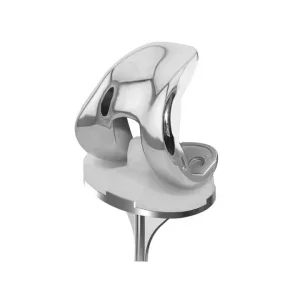
To satisfy Hamburg’s orthopedic surgeons, a manufacturing partner must deploy state-of-the-art materials science. We utilize medical-grade titanium alloys (Ti-6Al-4V ELI in accordance with ASTM F136) and high-density Cobalt-Chromium-Molybdenum alloys (CoCrMo according to ASTM F75) for load-bearing applications.

1. Advanced Osseointegration Surfaces

Aseptic loosening remains the leading cause of revision surgeries. Our factories implement advanced surface modification technologies to enhance biological fixation:

  • Titanium Plasma Spray (TPS): Creates a high-friction, rough micro-topography (roughness value Ra 30-50 µm) that encourages osteoblasts to migrate, attach, and proliferate directly onto the implant substrate.
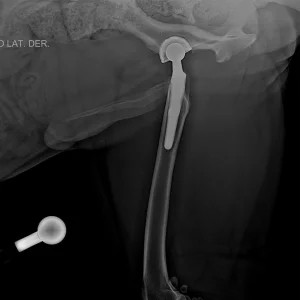
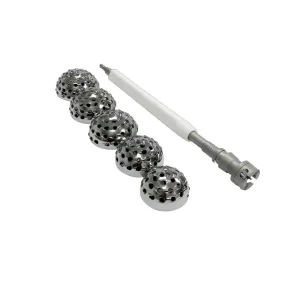
  • Hydroxyapatite (HA) Coatings: Utilizing vacuum plasma spraying, a thin layer of highly crystalline bio-mimetic HA is applied to femoral stems and acetabular cups, acting as a bioactive catalyst that accelerates early bone anchoring.
  • Trabecular Metal Structures (3D Printing): Utilizing Electron Beam Melting (EBM) and Selective Laser Melting (SLM), we generate highly porous titanium lattices that mimic human cancellous bone, optimizing the modulus of elasticity to mitigate stress-shielding.

2. Ultra-Low Wear Bearing Couplings

The choice of articulating surfaces dictates the lifespan of a joint replacement. Our product lines feature:

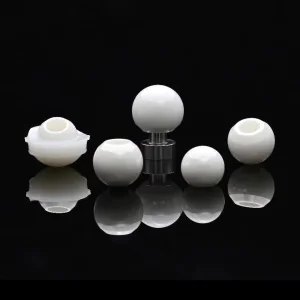
  • BIOLOX® delta Ceramic Alternatives: Highly purified alumina-matrix composite ceramics offer unmatched hardness, scratching resistance, and wetting characteristics, reducing wear rates to sub-micron levels annually.
  • Highly Cross-linked Polyethylene (XLPE): Infused with Vitamin E (Alpha-Tocopherol) to prevent long-term oxidation, these liners provide excellent durability and impact resistance under high cyclic loading.

Shenzhen HUL Healthcare Technology Co., Ltd.

Operating under Bopull Medical, we focus on clinical-grade orthopedic implant systems, instruments, and precision tools.
Quality Management
GB/T42061-2022 idt ISO13485:2016 Certified
Annual Revenue
US$1 Million - US$2.5 Million
Total Employees
301 - 500 Skilled Professionals
Global Operations
Beijing & Shenzhen, China
Response Guarantee
95.36% rate within 3 hours
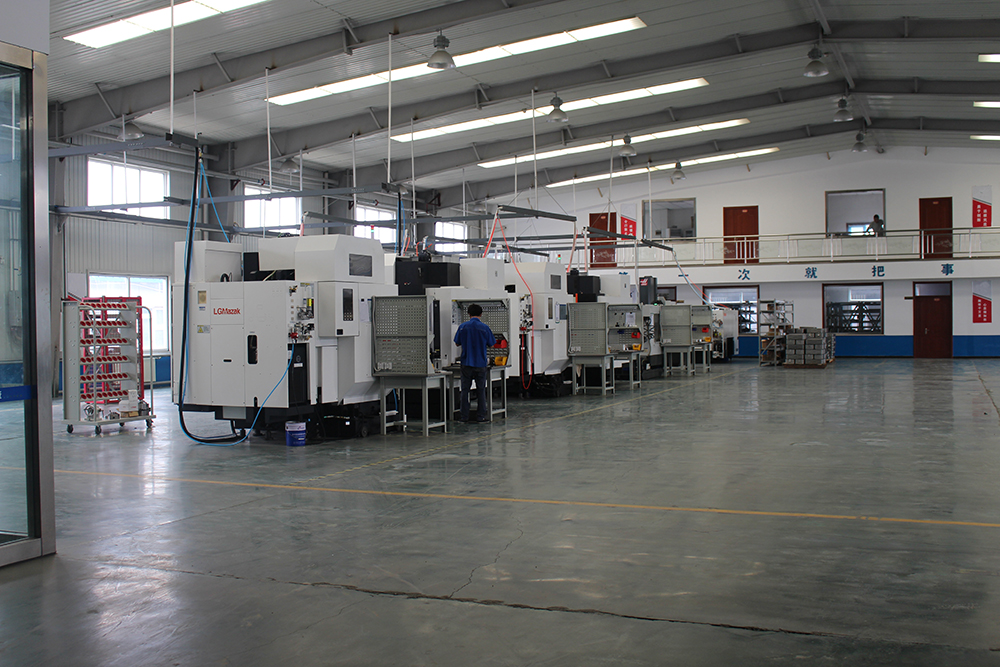
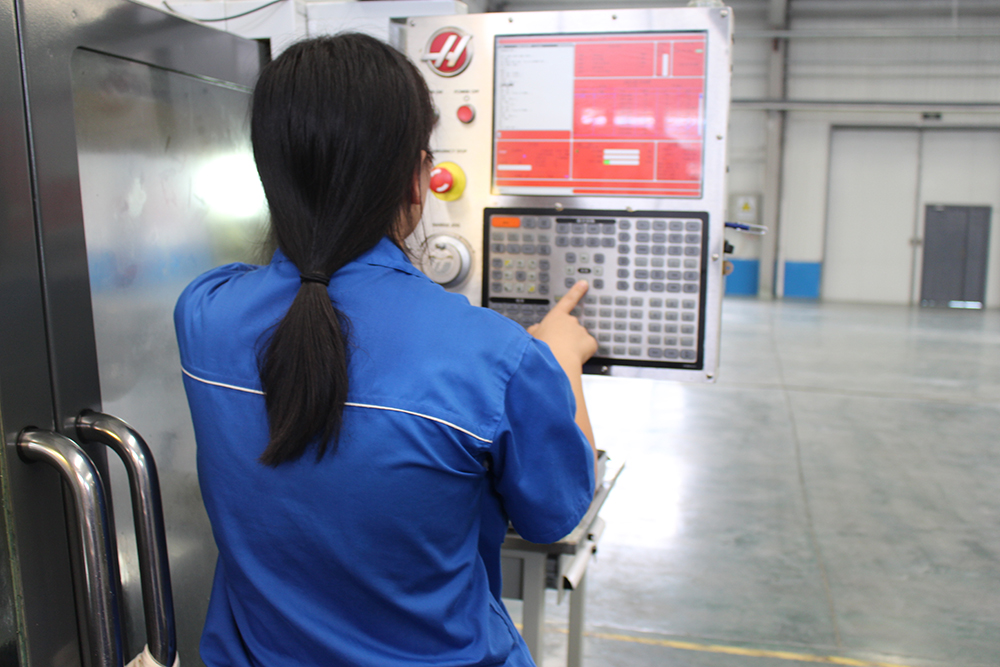
Manufacturing Cleanroom Facility Precision CNC Quality Inspection

Macro Industry Solutions & Global Sourcing Optimization

Procuring joint prostheses for the Hamburg metropolitan market requires navigating strict regulatory checkpoints, specialized packaging, and complex supply chain logistics. As a global OEM/ODM manufacturer, we offer comprehensive macro solutions designed to streamline procurement:

  • EU MDR (2017/745) Readiness Support: Our technical files, biological safety assessments (ISO 10993 series), and manufacturing validations are structured to assist German importers with the CE conformity assessment procedures.
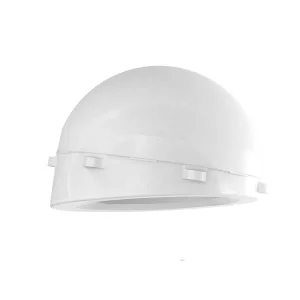
  • Customized OEM/ODM Capabilities: We specialize in custom-tailored femoral stem designs and customized acetabular cups optimized for specific demographic anthropometric parameters of Central European populations.
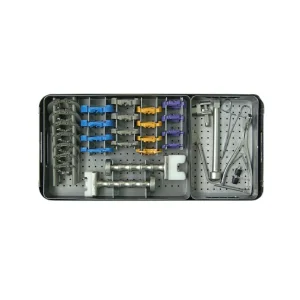
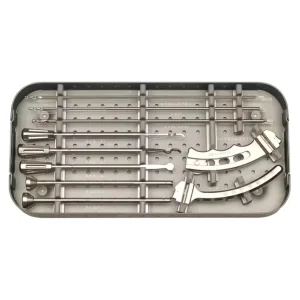
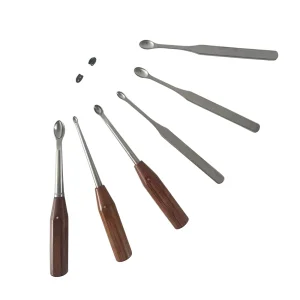
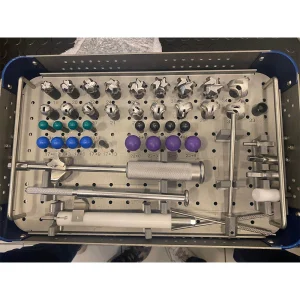
  • Complete Surgical Kits: We supply not only the implants but also the high-precision instrument sets (reamers, drills, trial heads, insertion tools) required to perform the surgery, ensuring seamless clinical workflow integration.
  • Sterile Barrier Packaging: Fully validated cleanroom packaging in ISO Class 8 (Class 100,000) environments using Tyvek® pouches, ensuring steric preservation for immediate hospital use post-delivery.

Addressing the Hamburg Market: Localization & Supply Logistics

The Hamburg port (Hafen Hamburg) serves as the primary maritime gateway for Northern Europe. For local distributors, optimizing transit times and reducing customs delays are crucial for inventory control. Our logistics system integrates directly with Hamburg-based forwarders:

We support diverse shipping arrangements including air freight to Hamburg Airport (HAM) for urgent clinical runs or custom patient-specific implants, and sea freight (FCL/LCL) directly to the Port of Hamburg for high-volume contract manufacturing orders. By maintaining an active, transparent tracking protocol and managing documentation like certificates of origin, biocompatibility dossiers, and sterilization validation documents (gamma-irradiation or ethylene oxide), we ensure frictionless customs clearance in Germany.

Frequently Asked Questions

Critical regulatory, metallurgical, and supply chain questions answered by our engineering and compliance teams.

Q1: How does Bopull Medical ensure compliance with Germany’s strict medical device standards?
Our facilities are certified under the ISO 13485:2016 quality management system. Every batch of implants undergoes rigorous non-destructive testing (NDT), including dye penetrant testing and coordinate measuring machine (CMM) dimensional verification. We provide complete material traceability from raw bars (certified medical-grade Ti or CoCrMo) to the finished implant, supplying complete documentation including material test reports, ISO compliance certificates, and biocompatibility studies.
Q2: What is the typical lead time for custom joint prosthesis orders bound for Hamburg?
For standard orthopedic catalog items (such as standard femoral stems or acetabular cups), standard order cycles take 30 to 45 days. For complex OEM/ODM projects requiring tooling modification or custom instrument sets, the developmental timeline ranges from 60 to 90 days. Expedited air freight to Hamburg Airport (HAM) can deliver critical shipments within 5 to 7 days post-production.
Q3: What sterilization options are available for the implants and surgical kits?
We provide implants in both sterile and non-sterile configurations. Sterile implants are packaged in high-grade Tyvek double-barrier pouches and sterilized via Gamma Irradiation (Co-60) or Ethylene Oxide (EO) gas, complying fully with ISO 11137 and ISO 11135 standards. Non-sterile orthopedic instrument kits are shipped in protective, autoclavable cases, allowing hospital sterilization departments in Hamburg to sterilize them using standard steam autoclave procedures.
Q4: Do you support custom branding (laser marking) for German orthopedic brands?
Yes, we offer complete OEM private label solutions. Utilizing high-precision fiber laser marking machines, we can print your logo, reference numbers, and UDI (Unique Device Identification) barcodes directly on the implant. The marking process is fully validated to prevent surface degradation or corrosion initiation.
Q5: How does your pricing structure help Hamburg distributors counter rising inflation?
By centralizing our production in China’s premier medical manufacturing clusters, we optimize material sourcing and labor efficiencies. We pass these cost reductions directly to our partners, offering high-precision joint replacements at a 30% to 50% cost advantage compared to domestic European manufacturers, while maintaining identical mechanical performance and chemical properties.