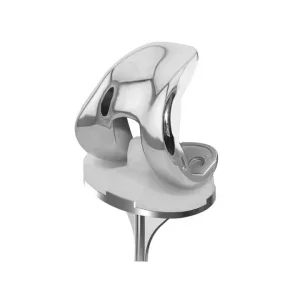
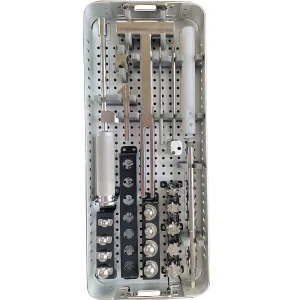
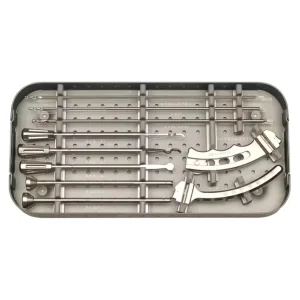
Advanced engineering solutions designed for premium survivorship rates and anatomical compatibility.
Australia has one of the world's most robust and highly scrutinized healthcare systems. The orthopedic implant sector is characterized by strict clinical oversight primarily guided by the Australian Orthopaedic Association National Joint Replacement Registry (AOANJRR). According to recent AOANJRR annual reports, primary hip and knee arthroplasties are growing at a steady compound rate, propelled by an aging population, rising rates of osteoarthritis, and the physical demands of active baby boomers.
For international manufacturers to successfully serve Australian public and private hospitals, implants must demonstrate superior bio-tribological characteristics. The market demands low-wear profiles, highly polished bearing surfaces, and advanced fixation interfaces. The distinction between public hospital tender boards and private healthcare procurement groups creates a dual-market challenge: implants must deliver premium clinical efficacy without inflating the cost barrier. Direct factory supply chains with rigid ISO 13485 quality control represent the path forward for sustainable orthopedic procurement in the region.
Clinical Insight: Revision joint replacements represent a massive cost burden for the Australian healthcare system. Implants engineered with advanced wear resistance—such as cross-linked polyethylene (XLPE) paired with delta zirconia-toughened alumina ceramic heads—dramatically reduce osteolysis and the subsequent need for premature revision surgeries.
Orthopedic implants operate in a highly corrosive and mechanically stressful environment. Choosing the optimal combination of materials determines the long-term biological response and mechanical survivorship. Shenzhen HUL Healthcare Technology Co., Ltd. (Bopull medical) sources clinical-grade raw materials that meet strict international consensus standards:
| Material Classification | Standard Compliance | Primary Clinical Application | Mechanical/Biological Advantages |
|---|---|---|---|
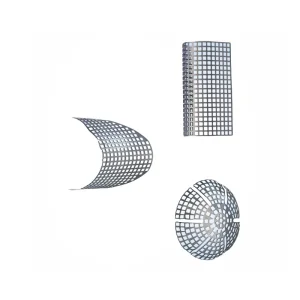
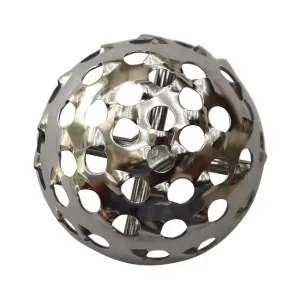
| Titanium Alloy (Ti6Al4V ELI) | ASTM F136 / ISO 5832-3 | Femoral Stems, Acetabular Shells, Metal Meshes | Excellent biocompatibility, low elastic modulus closest to cortical bone, and high fatigue strength. |
| CoCrMo Alloy (Cast/Wrought) | ASTM F75 / ISO 5832-4 | Femoral Heads, Knee Condyles, Articulating Joints | Superior wear resistance, high hardness, and resistance to scratching and corrosion under cyclic loading. |
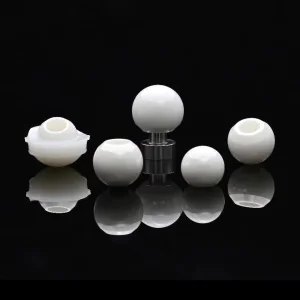
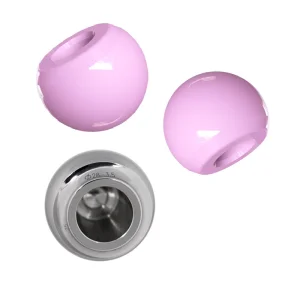
| Alumina-Zirconia Ceramic | ISO 6474-2 (ZTA) | Modular Femoral Heads, Liner Inserts | Extreme hardness, hydrophilic surface minimizing friction coefficient, and virtually zero wear particles. |
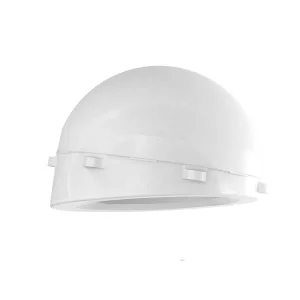
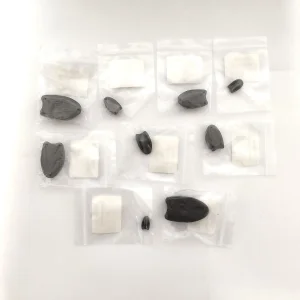
| Ultra-High-Molecular-Weight Polyethylene (UHMWPE) | ASTM F648 / ISO 5834-2 | Acetabular Liners, Patellar Components | Highly cross-linked option to reduce wear rate by over 90% compared to conventional polyethylene. |
The manufacturing of joint prostheses has transitioned from traditional casting and milling to highly automated, digitally controlled subtractive and additive technologies. To remain competitive in the Australian healthcare framework, our technology roadmap emphasizes three major pillars:
Utilizing Electron Beam Melting (EBM) and Direct Metal Laser Sintering (DMLS) to fabricate complex porous structures that mimic native trabecular bone, maximizing osseointegration and biological fixation.
Application of Plasma-Sprayed Hydroxyapatite (HA) and Titanium vacuum plasma spray (VPS) to joint replacement components, accelerating post-operative healing and ensuring rigid primary stability.
Automated multi-axis robotic polishing and chemical-mechanical planarization (CMP) to eliminate surface anomalies, ensuring fluid-film lubrication and lowering frictional torque.
In the wake of global supply chain disruptions, Australian hospitals, clinics, and veterinary associations require predictable delivery timelines, robust quality control, and scalable production capacities. Shenzhen HUL Healthcare Technology Co., Ltd. (operating under Bopull medical) has engineered an integrated manufacturing ecosystem in Beijing and Shenzhen to address this exact market gap.
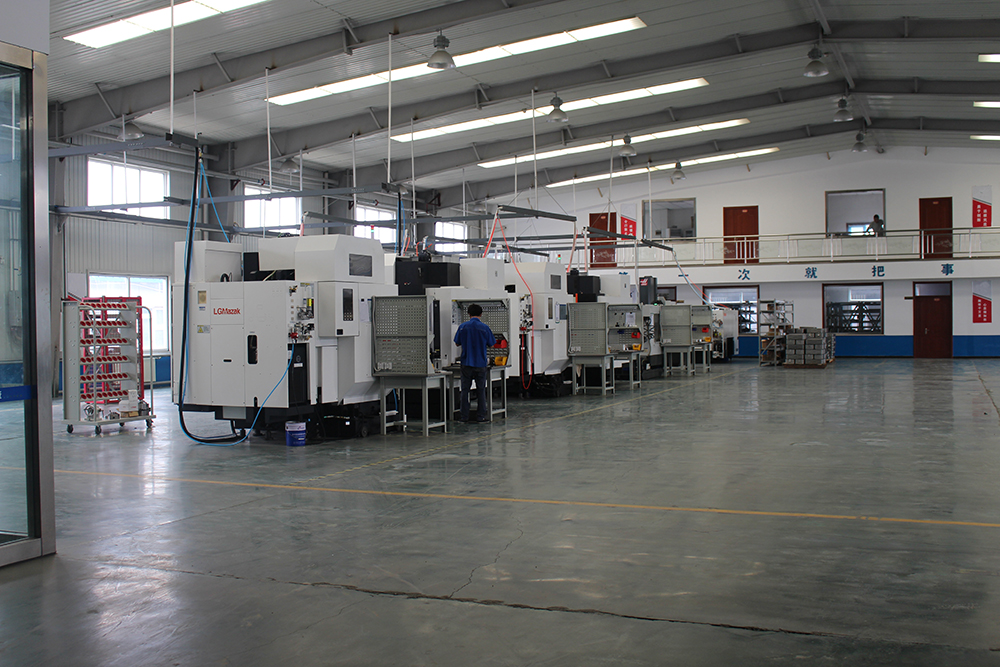
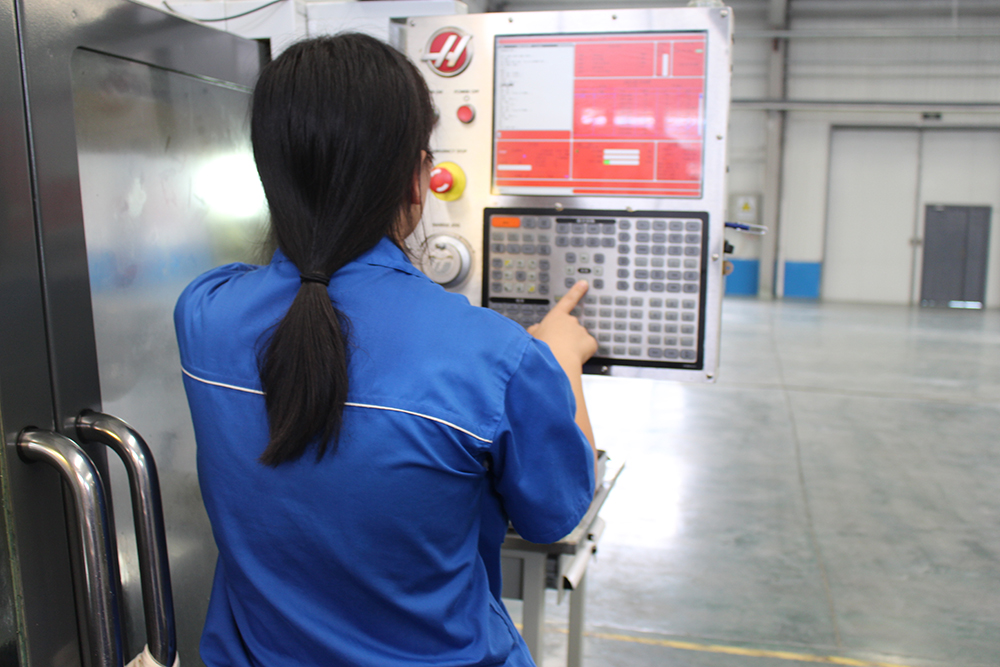
By utilizing high-precision DMG MORI 5-axis CNC milling centers, customized tooling configurations, and advanced coordinate measuring machines (CMM) for geometric dimensioning and tolerancing (GD&T), we guarantee that every orthopedic component sent to Melbourne, Sydney, or Brisbane matches the exact mechanical drawings.
Furthermore, the Bopull medical operational team manages logistics end-to-end. We offer expedited air-freight options ensuring urgent hospital surgical kits or veterinary implants arrive within days, alongside optimized sea-freight channels for bulk distributor stock replenishment.
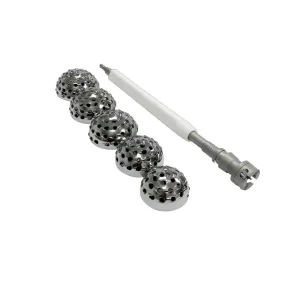
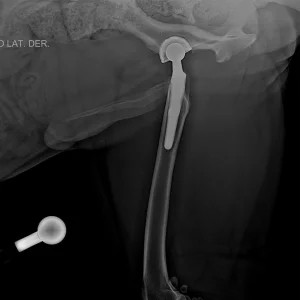
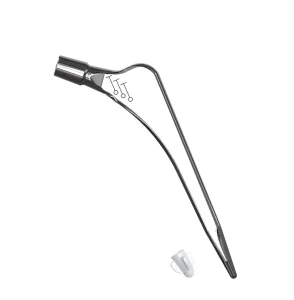
Complete surgical toolsets, acetabular cups, stems, and veterinary solutions engineered to international standards.
Operating in the orthopedic field requires more than just premium materials and mechanical precision; biological safety is the ultimate benchmark. Our production facilities maintain Class 10,000 (ISO Class 7) and Class 100,000 (ISO Class 8) cleanrooms dedicated to sterilization validation and packaging.
For Australian market access, Bopull medical works proactively with distributors to prepare comprehensive technical documentation for TGA ARTG inclusion. Every batch of titanium implants, ceramic femoral heads, and ultra-high-molecular-weight polyethylene (UHMWPE) liners undergoes extensive biocompatibility validation according to the ISO 10993 series.
Our validation protocols cover packaging integrity, ethylene oxide (EO) sterilization residue verification, and gamma irradiation validation. This level of quality assurance guarantees that the sterile barrier remains uncompromised from our cleanroom to the operating theaters of Australia.
Bopull medical has established a global footprint as a highly trusted development partner and manufacturer of orthopedic implants and surgical instruments. Through scientific rigor, state-of-the-art machinery, and a young, innovative R&D team, we fulfill high-volume OEM/ODM projects as well as complex, customized patient-specific implant runs.
| Organizational Attribute | Verified Operational Data |
|---|---|
| Company Name | Shenzhen HUL Healthcare Technology Co., Ltd. (Bopull medical) |
| Quality Management System | GB/T42061-2022 idt ISO13485:2016 Quality Management Standard |
| Total Workforce | 301 - 500 Skilled Professionals & Engineers |
| Total Annual Revenue | US$1 Million - US$2.5 Million |
| Customer Inquiry Response Rate | 95.36% (Typically ≤3h for urgent technical support) |
| Seller Reorder Rate | 34% (Reflecting high post-sales satisfaction) |
| R&D Focus Areas | Primary/Revision THA & TKA, Sports Medicine, Veterinary Orthopedics |
Our design and engineering offices located in Beijing and Shenzhen leverage advanced FEA (Finite Element Analysis) simulation to optimize load distribution across implant-bone interfaces. This engineering capability ensures that every design variant matches clinical kinematics, translating into faster recovery times and better long-term performance for the patient.
Key information regarding compliance, distribution, manufacturing lead times, and customization.
Connect directly with our engineering and procurement team in Shenzhen and Beijing. Request comprehensive catalogs, material test reports, and customized bulk quotations optimized for the Australian healthcare sector.
Send Inquiry Now HUL Healthcare Limited