High-precision spinal hardware tailored for public clinical centers and private surgical facilities across the Sarajevo Canton and surrounding Balkan regions.
The healthcare infrastructure in Sarajevo, the capital city of Bosnia and Herzegovina, serves as the primary medical powerhouse for the country and the wider Central/Eastern European region. Major institutions such as the Clinical Centre of University of Sarajevo (KCUS - Klinički centar Univerziteta u Sarajevu) and General Hospital "Prim. Dr. Abdulah Nakaš", alongside an expanding network of private orthopedic surgical clinics, handle complex reconstructive spinal surgeries, degenerative disc repairs, traumatic spinal injury fixations, and adult scoliosis corrections daily.
Over the past decade, Sarajevo’s medical sector has undergone significant structural modernization. There is an increasing operational shift away from traditional, highly invasive open spinal procedures toward Minimally Invasive Surgery (MIS) techniques including Anterior Lumbar Interbody Fusion (ALIF), Oblique Lumbar Interbody Fusion (OLIF), Transforaminal Lumbar Interbody Fusion (TLIF), and percutaneous pedicle screw fixation. This clinical evolution requires local healthcare providers and medical device distributors to source ultra-precise, reliable, and ergonomically superior spine implants and surgical instrumentation sets.
Medical procurement in Sarajevo operates under strict regulatory frameworks enforced by the Agency for Medicinal Products and Medical Devices of Bosnia and Herzegovina (ALMBIH). As Bosnia and Herzegovina aligns its medical standards with the European Union's Medical Device Regulation (MDR 2017/745), healthcare institutions require spine implant factories to provide exhaustive technical files, biocompatibility testing (ISO 10993 standard compliance), ISO 13485 quality system certifications, and valid CE markings. Factories that serve the Sarajevo market must provide uncompromised batch-to-batch consistency, full raw material traceability (Ti-6Al-4V ELI Grade 5 titanium alloy and 316LVM medical grade stainless steel), and seamless sterilizability to protect patient safety across public tenders and private hospital procurements.
The global spinal implants and surgical devices market is experiencing rapid expansion, driven by an aging global population, increased incidence of spinal stenosis, vertebral compression fractures, and traumatic spinal lesions resulting from vehicular and industrial accidents. According to global healthcare analytical benchmarks, the global spinal instrumentation market is projected to surpass USD 14 billion in the coming years, with titanium pedicle screw systems, cervical plates, and minimally invasive tubular retractors representing the largest single market share segments.
Modern spinal stabilization systems require exceptional fatigue strength, low modulus of elasticity (to minimize stress shielding), and optimal osseointegration capability. High-tier manufacturing facilities utilize cold-worked 316LVM stainless steel (ASTM F138) for dynamic rigidity and Titanium Grade 5 (Ti-6Al-4V ELI / ASTM F136) for permanent biomechanical implants.
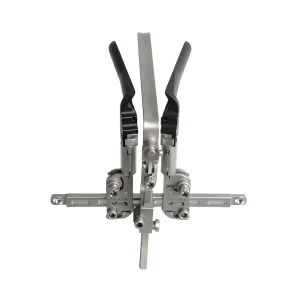
Traditional open spine surgery involves extensive muscle detachment and high blood loss. Global surgical trends—mirroring trends observed in Sarajevo’s top clinics—favor Minimally Invasive Tubular Retractor sets (MIS OLIF/TLIF). These systems demand hyper-precise manual retractors, flexible reamers, and light-guide integration to optimize surgical field visualization.
For hospital purchasing directors, healthcare logistics providers, and orthopedic distributors in Sarajevo, balancing clinical safety with fiscal responsibility is a ongoing operational priority. Tier-1 Western European and American OEM brands often impose significant price premiums, placing immense budget pressures on public healthcare funds and private surgical centers across Bosnia and Herzegovina.
China has established itself as the world’s leading hub for advanced medical precision manufacturing. By combining high-speed 5-axis Swiss-type CNC automatic lathes (such as Citizen and Star equipment), high-precision wire-EDM cutting, multi-axis optical CMM inspection, and Class 10,000 cleanroom cleaning/packaging facilities, Chinese spine instrument factories achieve technical parity with European manufacturers at a fraction of the capital cost.
Pedicle screws and anterior cervical plates require micro-level tolerances (±0.005mm). Multi-axis CNC technology allows seamless threading, variable-pitch leads, and smooth dual-lead locking mechanisms.
100% optical inspection, salt-spray corrosion testing, static & dynamic axial fatigue testing (ASTM F2193 / ASTM F1717 standard protocols) guarantee structural integrity under extreme human biomechanical loads.
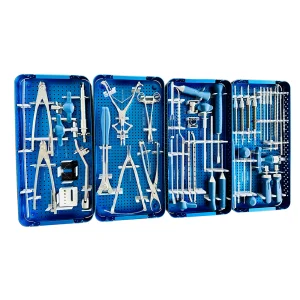
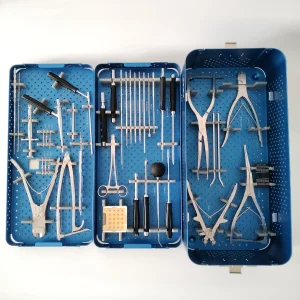
Customization of surgical tray configurations, localized laser-etching of batch numbers/brand logos, and rapid rapid-prototyping lead times (under 14 days) allow Sarajevo distributors to quickly capture local tenders.
Spinal conditions treated across the Sarajevo Canton present specific clinical patterns dictated by regional demographic factors, physical labor activities, high-altitude alpine sports injuries (such as trauma from nearby Bjelašnica and Jahorina ski resorts), and traffic-related spinal fractures. Dedicated factories serving this market provide surgical sets engineered to excel across several critical surgical interventions:
In cases of high-impact motor vehicle accidents or industrial falls, emergency surgical trauma teams at KCUS require immediate posterior thoracolumbar pedicle screw fixation systems. Fast-threading self-tapping pedicle screws, combined with high-rigidity straight and pre-bent titanium rods, ensure rapid intraoperative stabilization, reducing surgery times and intraoperative blood loss.
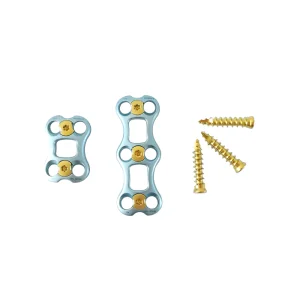
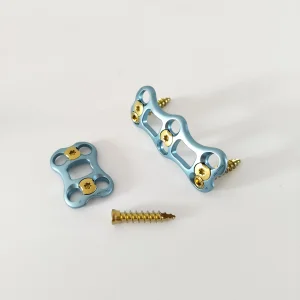
Anterior Cervical Discectomy and Fusion (ACDF) is widely performed in Sarajevo to treat severe cervical disc herniations and radiculopathy. The introduction of low-profile Anterior Cervical Plate Systems equipped with intuitive drill guides, tap instruments, and locking mechanisms prevents plate displacement while facilitating early patient mobilization.
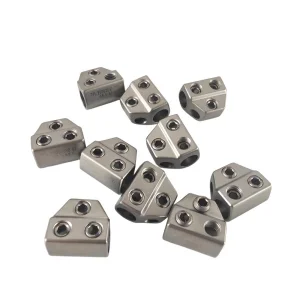
For complex cases involving multi-segment lumbar fusion breakdown, parallel domino connectors (rod-to-rod cross connectors) allow spine surgeons to attach extension rods without removing existing hardware. This minimizes construct failure risks and saves critical operative hours.
The spinal implant industry is rapidly evolving toward smart, patient-tailored, and minimally traumatic surgical ecosystems. Advanced factories serving international markets like Sarajevo are integrating key innovations into their production pipelines:
Physical Vapor Deposition (PVD) TiN (Titanium Nitride) and DLC (Diamond-Like Carbon) coatings on manual instruments enhance surface hardness, eliminate glare under intense operating theatre lamps, and prolong tool lifespan over hundreds of autoclave cycles.
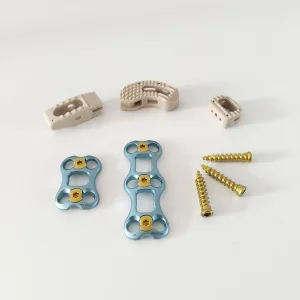
Selective Laser Melting (SLM) additive manufacturing allows for the production of porous titanium interbody cages with biomimetic trabecular structures, accelerating osteointegration and bone graft fusion rates.
Integration of optical tracking array posts on MIS retractors and pedicle screw inserters to ensure full compatibility with modern 3D intraoperative O-arm and computer-assisted robotic navigation platforms.
When selecting an overseas spine implant factory to supply hospitals in Sarajevo, procurement directors must conduct thorough duediligence across five critical evaluation pillars:
Ensure the manufacturer supplies complete Technical Files under ISO 13485:2016, full material analysis certificates (MTRs), bio-burden sterilization test reports, and clear CE compliance documentation required for swift ALMBIH registration in Bosnia and Herzegovina.
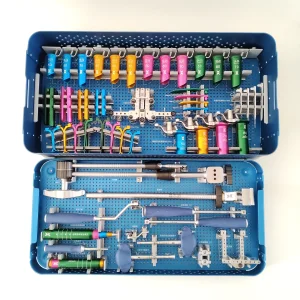
Instruments must feature ergonomic silicone-coated or hard-anodized aluminum handles, positive locking detents, and effortless disassembly mechanisms for thoroughly validated sterile processing department (SPD) washing and autoclaving.
Disruptions in global ocean freight necessitate working with factories that maintain standing raw material stocks and rapid air-freight packing protocols to guarantee dispatch within 7-14 days for urgent hospital tenders.
Ability to assemble customized, color-coded instrument trays tailored specifically to the preference cards of Sarajevo’s leading spine surgeons, optimizing operating room setup times.
Explore our CE & ISO 13485 certified product lines engineered for posterior, anterior, and minimally invasive spinal surgeries serving Sarajevo healthcare partners.
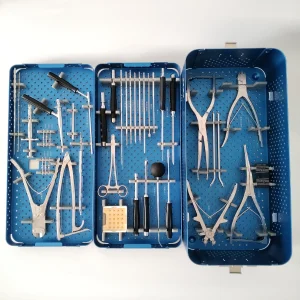
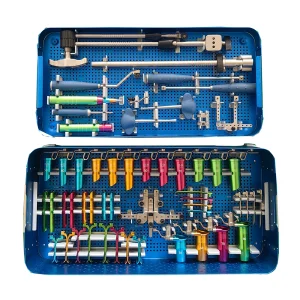
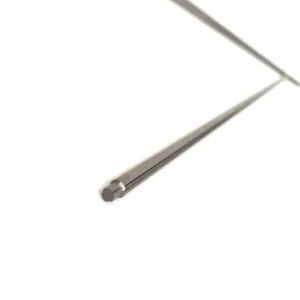
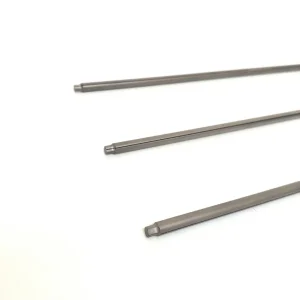
Your Trusted OEM/ODM Partner for World-Class Spine Fixation Implants & Surgical Tools
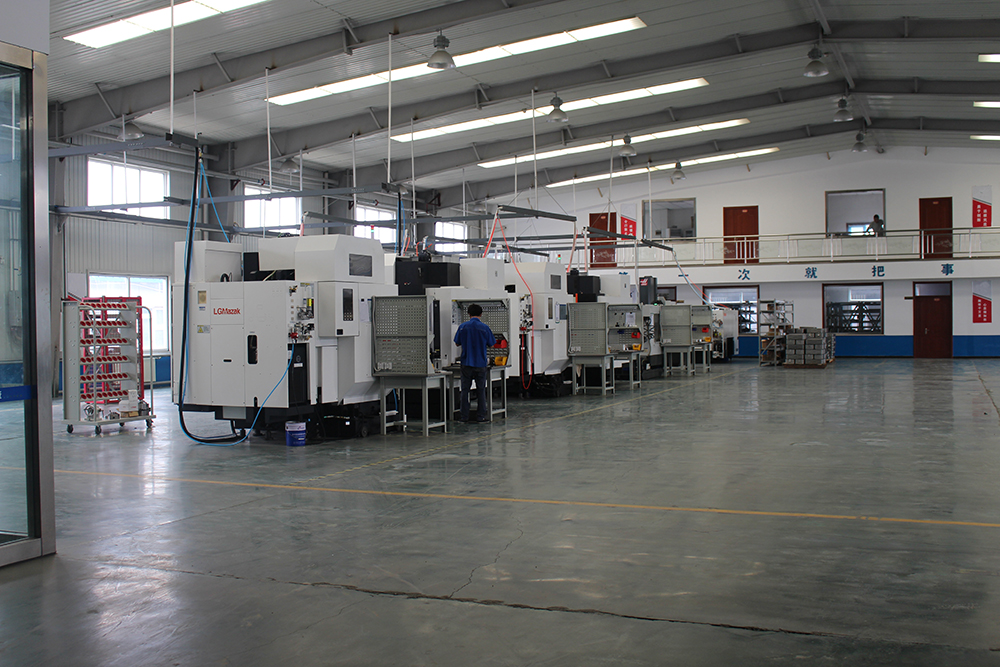
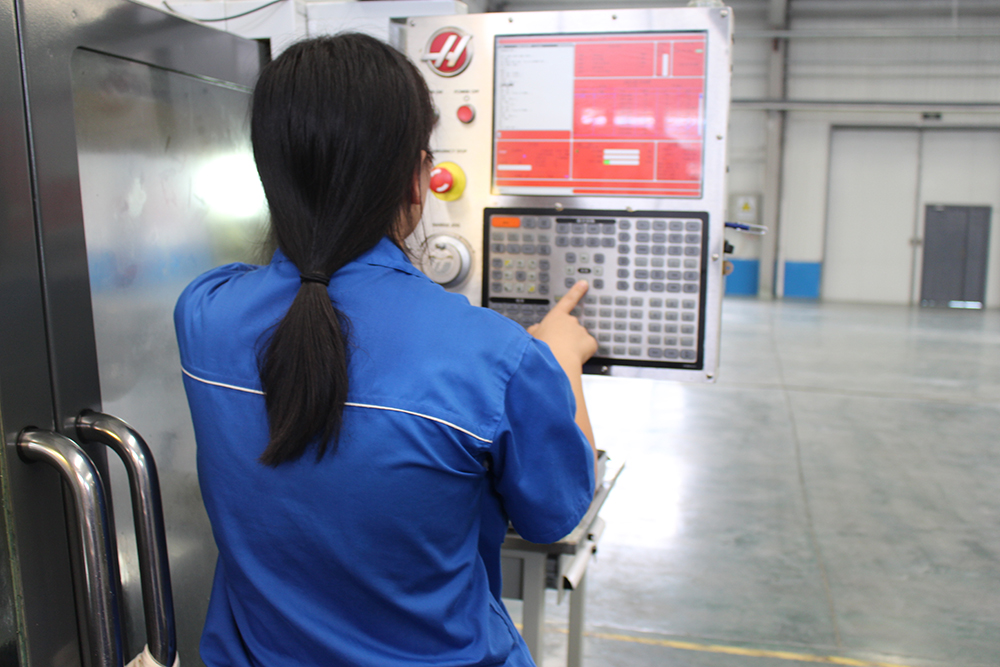
Shenzhen HUL Healthcare Technology Co., Ltd. operates in strict accordance with international medical laws, regulatory mandates, and industrial manufacturing standards. Having earned formal certification under the GB/T42061-2022 idt ISO13485:2016 quality management system standard, our enterprise provides comprehensive engineering and clinical solutions for distributors serving challenging global markets, including Sarajevo and the Western Balkans.
Driven by an unwavering pursuit of manufacturing excellence, our industrial complex houses advanced multi-axis CNC machines, automated optical measuring devices, ultrasonic passivating equipment, and ISO Class 7 ultra-clean packaging suites. Supported by an innovative engineering workforce of 301–500 professionals, we continuously push the boundaries of orthopedic design to exceed client expectations.
Clear, authoritative answers regarding regulatory compliance, metallurgical quality, custom manufacturing, and Balkan logistics.
Empower your healthcare distribution business with high-margin, ISO 13485 certified, CE-marked spinal fixation systems and MIS instrumentation sets direct from our manufacturing facility.
 HUL Healthcare Limited