Surgery Instrument Manufacturers & Exporters Serving Japan

Providing Japanese Medical Institutions and Veterinary Clinics with Ultra-Precision, PMDA-Compliant Surgical Hardware & Custom OEM Instruments.

Send Inquiry Now Explore Industry Insights

Executive Summary: Surgical Instrument Importation and Manufacturing in Japan

The Japanese market for surgical instrumentation represents one of the most demanding regulatory and quality landscapes globally. Controlled tightly under the Ministry of Health, Labour and Welfare (MHLW) and evaluated by the Pharmaceuticals and Medical Devices Agency (PMDA), medical equipment must exhibit near-zero failure rates and ultra-high metallurgical performance.

As Japan continues to tackle challenges related to an rapidly aging population, clinical demands have pivoted significantly towards Minimally Invasive Surgery (MIS), micro-surgical systems, and highly specialized veterinary orthopedics. For overseas exporters, securing market access requires not just compliance with standard ISO 13485 (or the domestic Japanese version, MHLW Ministerial Ordinance No. 169), but also a granular understanding of clinical preferences in key hubs like Tokyo, Osaka, and Fukuoka.

Current State of Japan's Surgical Instrument Industry & Market Dynamics

Japan’s domestic manufacturing sector for surgical tools historically centered in regions like Seki City (Gifu Prefecture) and Sanjo (Niigata Prefecture)—areas renowned for metallurgy and bladesmithing. However, while local manufacturers excel in manual cutting hand tools, the domestic sector relies heavily on imports for complex power tools, active implantable systems, and specialized spinal or orthopedic sets.

  • High-Barrier Importation Pathways: Exporters must work with a designated Designated Marketing Authorization Holder (DMAH) or a Marketing Authorization Holder (MAH) located within Japan to oversee safety releases and post-market vigilance.
  • Metallurgical Demands: Stainless steels (like SUS420J2 and SUS630) must exhibit pristine resistance to pitting and corrosion under repeated autoclave cycles common in Japanese centralized sterile supply departments (CSSD).
  • Veterinary Demands: The small-animal veterinary sector in Japan is experiencing unprecedented growth. Premium pet-care trends demand human-grade orthopedic kits (such as locking plate systems) optimized for smaller anatomical dimensions characteristic of popular dog breeds in Japan (e.g., Toy Poodles, Chihuahuas).

Global Supply Chain Integration: The Role of Shenzhen HUL Healthcare

Operating globally as a leading provider of orthopedic and spinal configurations, Shenzhen HUL Healthcare Technology Co., Ltd. (operating globally under Bopull Medical) integrates advanced CNC fabrication, laser welding, and cleaning technologies with a stringent quality management framework.

By bridging high-capacity precision manufacturing in China with the stringent technical criteria required by Japanese distributors, Bopull Medical provides OEM/ODM services that significantly lower the total cost of ownership for Japanese healthcare groups without compromising structural tolerances. Our GB/T42061-2022 / ISO13485:2016 management certifications guarantee that every production run is fully documented and traceable.

95.3%
Response Rate
ISO13485
Certified Quality
34%
Reorder Rate

Localized Application Scenarios in Japan

Medical equipment must conform to unique structural constraints inside the Japanese surgical suite.

  • Minimally Invasive Spine Surgery (MISS): Over 60% of spinal surgeries on elderly patients in Japan utilize minimally invasive techniques to accelerate postoperative recovery. Tubular retractor systems and torque-limiting instruments are essential.
  • Small-Scale Orthopedics: Bone structures in the native population often require implants and fixation drills with scaled-down cross-sectional profiles. High-tensile titanium locking plate configurations ensure robust fixation in thin cortical bone.
  • Veterinary Bone Surgery: Unlike Western markets where large dog breeds are common, Japanese veterinary clinics primary treat toy breeds. This necessitates specialized micro-screw sets (1.5mm to 2.4mm locking plate options) and specialized veterinary orthopedic power systems.

Manufacturer & Exporter Overview

Company Name Shenzhen HUL Healthcare Technology Co., Ltd. / Bopull Medical
Quality Standards GB/T42061-2022 / ISO13485:2016 Management System
Total Employees 301 - 500 People
Operational Focus Orthopedics, Spinal Systems, Power Tools, Veterinary Instruments
Annual Revenue US$1.0 Million - US$2.5 Million
Export Region Support Japan (Tokyo, Osaka, Nagoya, Fukuoka, etc.) & Global Partners
Response Metrics Within 3 Hours (≥95% response efficiency)

Japan Regulatory Compliance Notes (PMDA/MHLW)

Under the Japanese PMDA guidelines, Class I devices (e.g., manual surgical retractors, scalpel handles) require a basic registration (Todokede). Class II devices (such as electric bone drills and micro-power systems) require third-party certification (Ninsho). Our engineering team cooperates fully with your Japanese DMAH to supply testing reports, material certification sheets (ISO 5832-3 equivalent for Titanium alloy), and cleanroom validation data.

Technological Roadmap & Metallurgy Development

Enabling future-oriented surgical procedures with cutting-edge alloys and advanced industrial design.

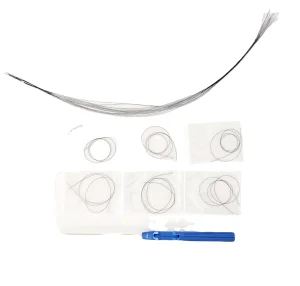
Nitinol (NiTi) Smart Alloys

Utilizing high-elasticity shape memory properties for orthopedic fixation wires and active structural components, ideal for minimally invasive access ports.

Advanced Power Transmission

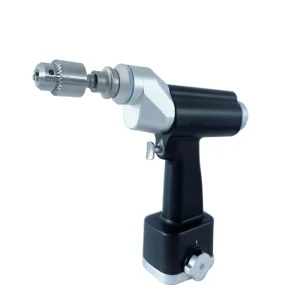
Micro-motor integrations for surgical bone drills that deliver high torque with lower heat generation, eliminating structural degradation risk under autoclaving.

Carbon-Fiber Sterile Containment

Developing lightweight, structurally rigid storage cases that offer superior thermal conductivity during steam sterilization cycles inside Japanese CSSD units.

Manufacturing and Assembly Showcase

Strict process controls, advanced production environments, and rigorous validation operations.
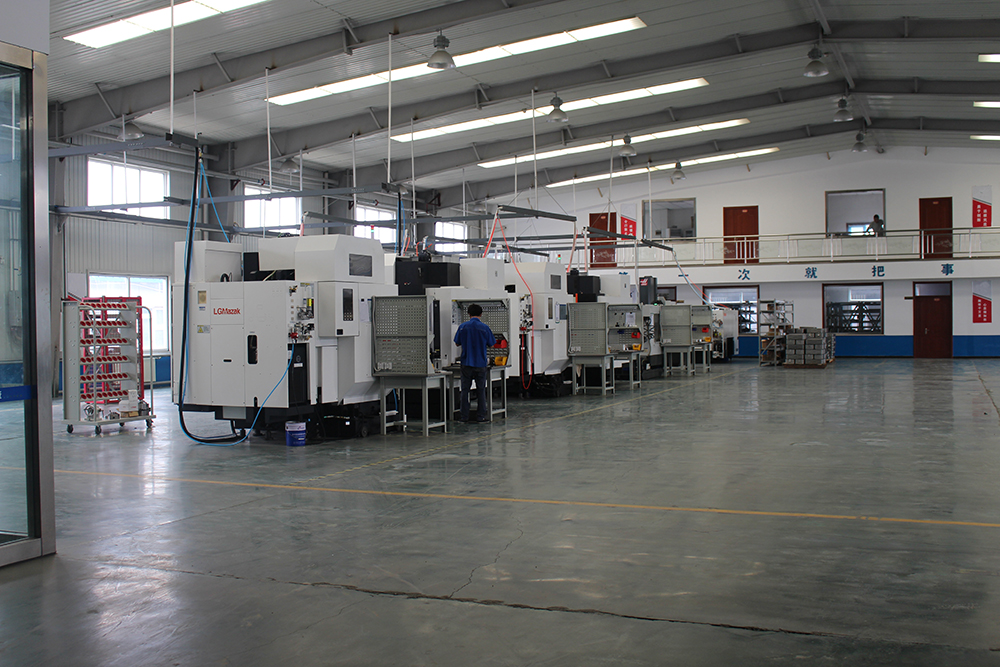
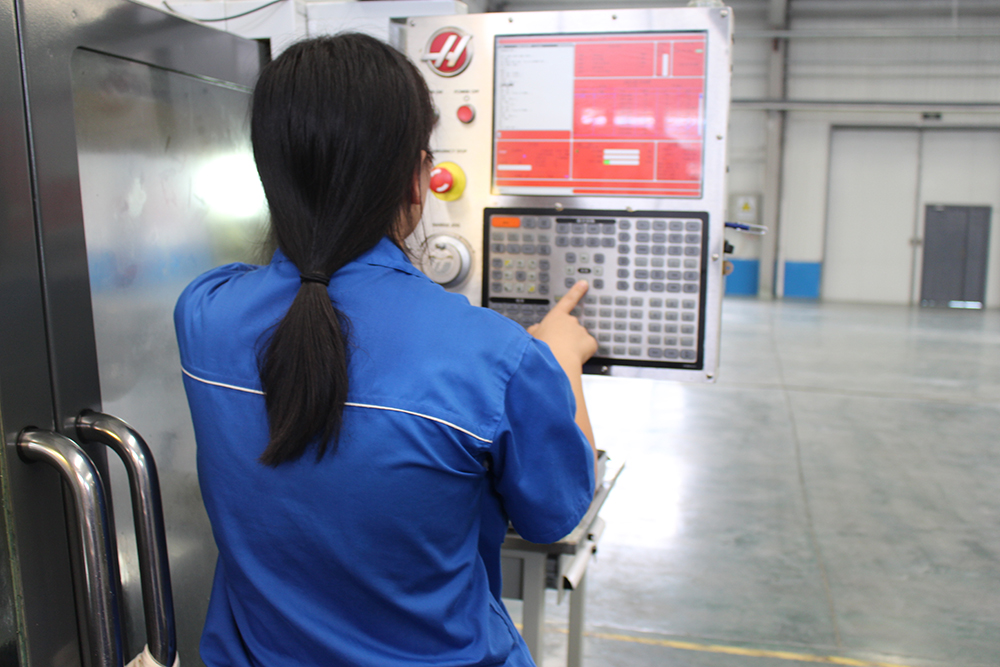
Production Facility CNC Machining for Orthopedics
High-precision CNC production department for custom orthopedic implants.
Assembly and Sterile Packaging Area
Class 100,000 cleanroom packaging and final QA inspection area.

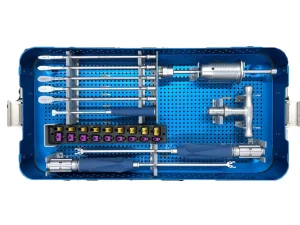
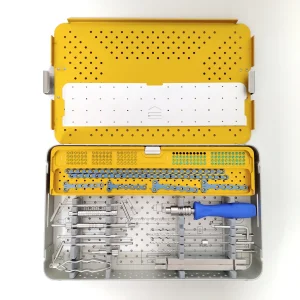
Comprehensive Surgical & Orthopedic Catalog

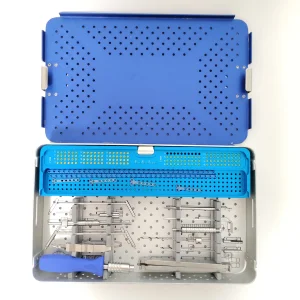
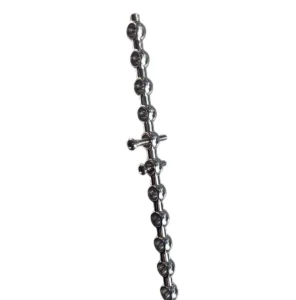
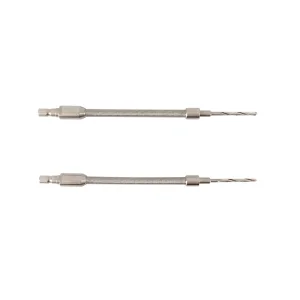
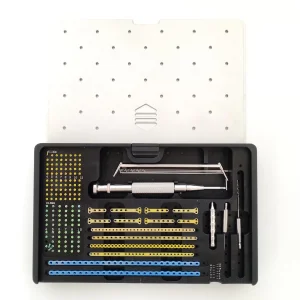
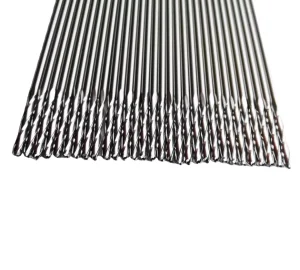
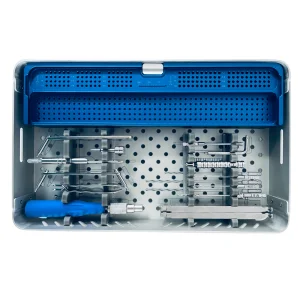
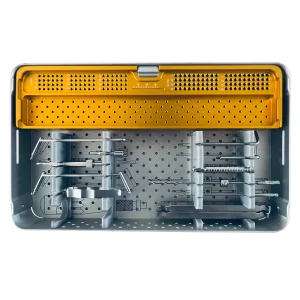
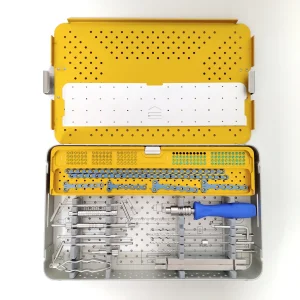
Extensive selections of titanium locking sets, specialized bone drill bits, and orthopedic torque tools.
Supplementary Orthopedic Hand Tools Available for Direct Export

Importing & Sourcing FAQ for Japanese Medical Importers

Key technical answers regarding PMDA validation, material certificates, OEM capability, and delivery.

1. What materials are used for your orthopedic implants and tools?
We use surgical-grade implant materials conforming to international standards, primarily Titanium Alloy (Ti-6Al-4V ELI conforming to ASTM F136 / ISO 5832-3) and premium Medical-Grade Stainless Steel (such as SUS316L for temporary fixation pins and SUS420J2/630 for cutting tools and instruments). Each batch undergoes mechanical testing and metallurgical structure validation.
2. Do you comply with the Japanese MHLW Ordinance No. 169?
Our facility operates under a QMS audited to GB/T42061-2022 and ISO 13485:2016. The specifications and production flows conform with the Japanese Ministerial Ordinance No. 169 regarding Quality Management Systems (QMS) for Medical Devices. We provide all necessary raw data and documentation requested by your domestic MAH/DMAH during the PMDA filing process.
3. Can you customize veterinary orthopedic plates for ultra-small toy dog breeds?
Yes. We specialize in micro-fixation and locking plate configurations. For the Japanese companion animal market, we provide custom configurations starting at 1.5mm locking plate setups and Pearl Plates (such as the SOP system), complete with customized screw thread designs to minimize bone splitting risk.
4. What is the typical lead time for custom OEM batches bound for Japan?
For standard orthopedic kits, shipment can occur within 15–30 days. Custom tool components or specialized titanium implants under OEM arrangements require roughly 45–60 days, including complete test-fit evaluations, CNC configuration runs, and cleanroom sterile packaging verification.

Establish Your Regulatory Compliant OEM Stream

Get in touch with Bopull Medical's dedicated Japan Export Desk today. We will provide pricing, product catalogs, and metallurgical data sheets matching your exact clinical needs.

Send Inquiry Now