Featured high-precision systems compliant with EU standards, engineered for German neurosurgical and orthopedic operating theaters.
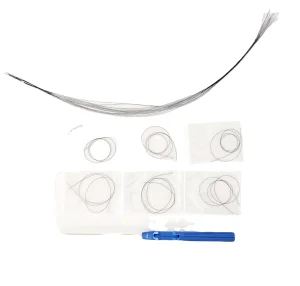
Sports Medicine High Quality Nickel-Titanium Alloy Wire for Orthopedic Bone Surgical Instruments in Sports Medicine, CE and ISO Certified for German Clinics Inquire Specifications
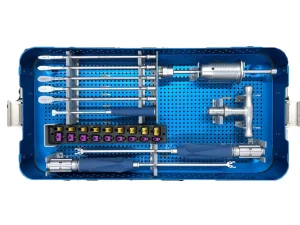
Spinal Surgery Spine Instruments Set Stainless Steel Manual Minimal Invasive for OLIF Tubular Retractor with Carbon Box, Designed for German Neurosurgical Standards Request Quote
Germany represents the largest medical technology market within the European Union, characterized by its historical manufacturing cluster in Tuttlingen (Baden-Württemberg) and world-renowned clinical research institutions like Charité - Universitätsmedizin Berlin and LMU Klinikum Munich. The local healthcare environment demands unparalleled precision, biomechanical reliability, and rigorous material tracing.
However, the German healthcare system (Krankenhäuser and private clinics) is facing unprecedented cost optimization pressures. While surgical quality cannot be compromised, hospital purchasing groups (Einkaufsgemeinschaften) and distributors are actively seeking reliable global OEM/ODM manufacturers who can bridge the gap between premium performance and cost efficiency.
"German surgical standards do not allow for compromises. Suppliers must demonstrate absolute compliance with DIN EN ISO 13485:2016 and provide seamless documentation supporting EU MDR requirements."
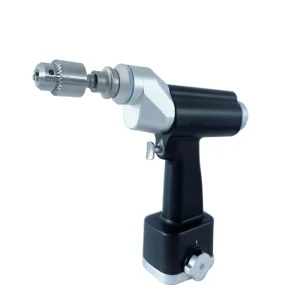
As a global partner serving the German market, we match our precision production capabilities to these specific requirements. We utilize premium German stainless steels (such as 1.4112, 1.4021) and biocompatible titanium alloys to ensure that every retracting arm, bone screw, and power drill aligns with the stringent clinical demands of German surgeons.
Every instrument batch destined for Hamburg, Frankfurt, or Munich undergoes coordinate measuring machine (CMM) testing, surface passivation evaluations, and hardness tests (HRC/HV) to guarantee longevity under autoclave sterilization cycles.
Our raw materials, including Nickel-Titanium wire and implant-grade Titanium (Grade 5 ELI / ASTM F136), are accompanied by mill test certificates (MTC) showing detailed chemical compositions and mechanical properties.
Navigating the transition from the old Medical Device Directive (MDD) to the current European Union Medical Device Regulation (EU MDR 2017/745) has been one of the biggest challenges for medical device distributors in Germany. Our engineering and regulatory affairs team provides complete technical files, risk analysis reports, and biological evaluation documentation to ensure your import processes are hitch-free.
We operate in strict accordance with laws and regulations, running a quality management system certified under GB/T42061-2022 idt ISO13485:2016. This international standard certification ensures that every process, from product development and raw material inspection to electrochemical polishing and final cleanroom packaging, is fully documented and traceable.
Our commitment to quality has earned us a solid reputation in the industry. By purchasing advanced manufacturing equipment and building a young, innovative engineering team, we deliver high-precision instruments that meet and exceed customer expectations.
Combining the rapid scaling, high efficiency, and cost advantages of Shenzhen's high-tech manufacturing with German-level quality assurance.
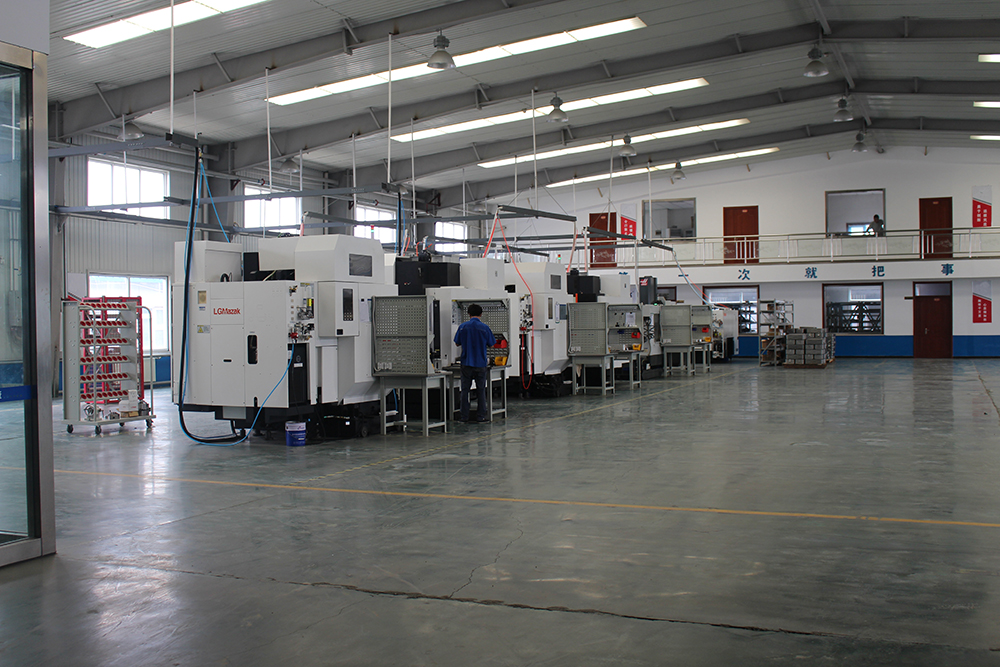
We utilize multi-axis Swiss-type lathe centers and CNC wire cutting systems to hold dimensional tolerances within ±0.005mm, crucial for micro-orthopedic drills and retractor alignment gears.
We offer rapid prototype turnarounds within 10-15 business days for custom spinal retractor blades, target guides, and orthopedic drill bits tailored to specific German clinical needs.
Our ISO-certified packaging lines minimize micro-contamination. Each instrument is cleaned using multi-stage ultrasonic baths before undergoing final cleanroom packaging.
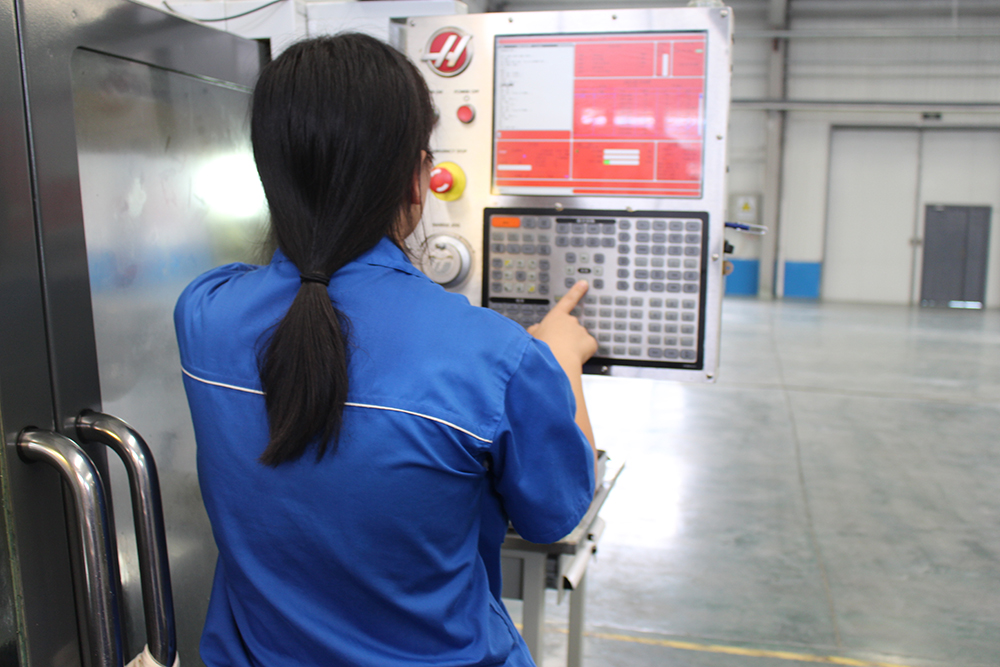
Our inspections go beyond mere visual checks. Every piece of orthopedic hardware and spinal instrument is subjected to strict quality verifications, including hardness testing, surface roughness analysis, and assembly compatibility tests. We also retain batch samples and test logs for at least 10 years to comply with regulatory requirements, ensuring that every product can be traced back to its initial production run.
Request Factory Inspection ReportA trusted manufacturing and trading partner delivering high-performance surgical instruments to Germany and worldwide markets.
Designed for veterinary centers, trauma hospitals, and specialized reconstructive clinics in Germany.
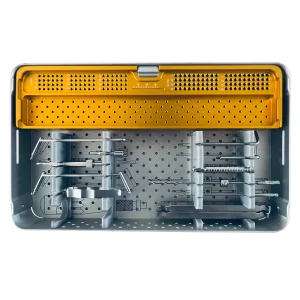
Vet Orthopedics ALPS Large Animal Veterinary Orthopedic Set 5.0 6.5mm Titanium Locking System Diagnosis Instruments for Pets, German Standard Veterinary Kits Inquire Set
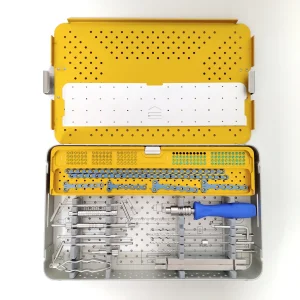
Vet Instruments ALPS Veterinary Orthopedic Set 5.0 6.5mm Titanium Locking System for Large Animals Including Dogs Surgical Instruments Syringes, Berlin Animal Clinic Approved Order Sample
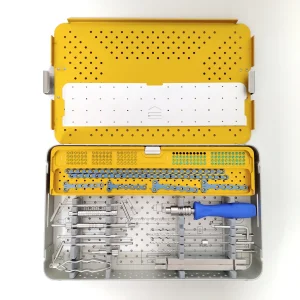
Locking Systems ALPS 5.0 6.5mm Titanium Locking System Veterinary Orthopedic Instrument Set for Pet Surgery in German Hospitals Get Price List
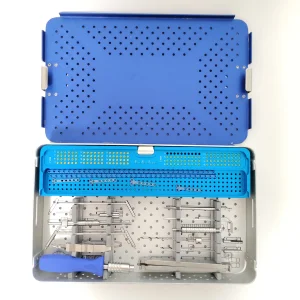
Canine Surgery ALPS Veterinary Instrument Set for Dog Orthopedic Locking Plate 1.6/2.4/3.2/4.0 Featuring Syringes for Pet Diagnosis, Hamburg Distribution Ready Request Specs
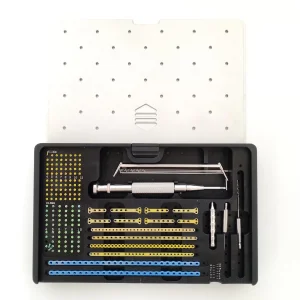
Diagnostics Veterinary Plate Instrument Set with Properties for Dog Syringes, Germany Veterinarian Standard Inquire Now
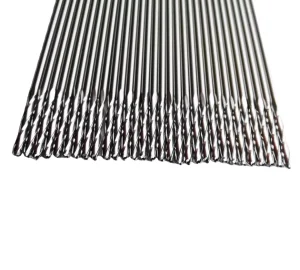
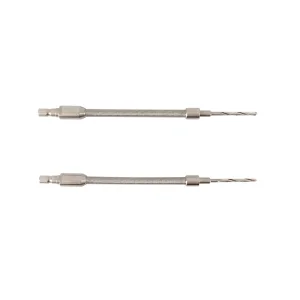
Drills & Bits Hot Selling Orthopedic Drill Bit Surgical Bone Drill Bits Manufacture, Compliant with German Orthopedic Systems Quote Bit Sizes
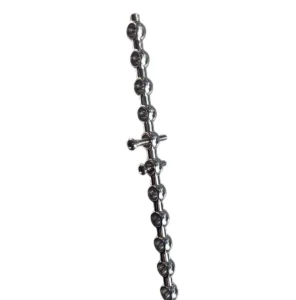
SOP Plates Veterinary Orthopedic Plate and Screw SOP Pearl Plate for Dog Surgery Adjustable, High-Precision for Munich Veterinary Surgeons Request Sample Plate
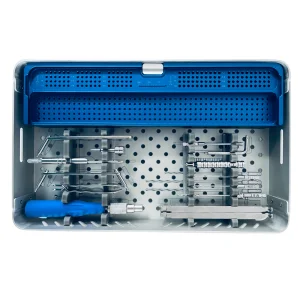
Orthopedic Kits ALPS Instrument Package for Veterinary Orthopedic Procedures Animal Use Orthopedic Instrument Set by Veterinary Systems, Germany Regional Logistics Support Get Kit Catalog
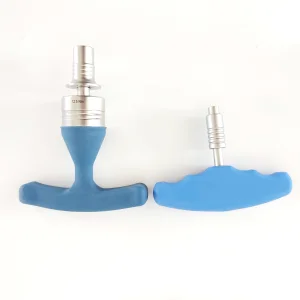
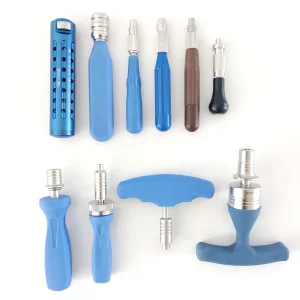
Screwdrivers Medical Hospital Orthopedic Bone Screwdriver With Torque Handle Stainless Steel Basic Surgical Instruments, Engineered for German Clinical Use Get Torque Range Details
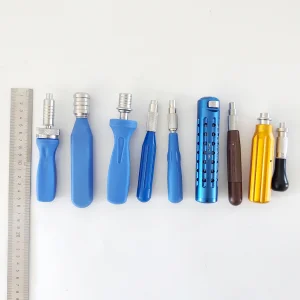
Spinal Screwdrivers Hospital Orthopedic Bone Screwdriver with Torque Handle Basic Surgical Instruments for Spine Spinal Surgery, Cologne Clinical Specifications Request Spine Catalog
In Germany, the applications for orthopedic surgical instruments are split between human medicine, dominated by regional clinical centers, and a highly advanced veterinary sector. In human clinics, instruments such as spinal retractor sets, OLIF tubular retractors, and torque-limiting screwdrivers are critical for performing complex spinal reconstructions. Biomechanical precision is paramount; a torque-control handle must release at the exact Newton-meter (Nm) rating to prevent screw stripping or bone fracture during pedicle screw fixation.
Conversely, veterinary surgery in Germany has experienced significant modernization. With high dog ownership rates (over 10 million dogs in Germany) and pet owners demanding human-grade healthcare, veterinary practices frequently perform complex fracture repairs, TPLO (Tibial Plateau Leveling Osteotomy), and spinal decompressions. Our ALPS titanium locking plate sets, designed with 1.6mm to 4.0mm options, are engineered specifically to meet this clinical demand, providing German veterinarians with systems that reduce postoperative complications and shorten healing times.
The performance of a surgical instrument is ultimately determined by its material composition. For dynamic applications, such as orthopedic guide wires used in minimally invasive sports medicine, Nickel-Titanium (Nitinol) alloy is preferred due to its shape memory and superelastic properties. It allows surgeons to navigate complex anatomical structures without the risk of wire kinking or permanent deformation.
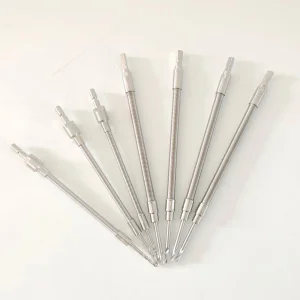
For load-bearing implants and related instruments, Titanium Grade 5 (Ti-6Al-4V ELI) is chosen for its superior biocompatibility, low modulus of elasticity, and excellent fatigue resistance. This material minimizes stress shielding when implanted. For manual and power-driven instruments (such as flexible reamers, drill bits, and retractors), high-strength stainless steel (e.g., 316LVM, 420, or 440C) is utilized. This steel undergoes specialized heat treatment and passivation processes, forming a passive chromium oxide layer that prevents corrosion during exposure to physiological fluids and harsh enzymatic detergents during sterile processing.
Managing a medical device supply chain across continents requires more than just high-quality manufacturing; it demands localized communication and rapid technical assistance. We support German medical device distributors, purchasing groups, and hospitals by providing:
Addressing the common questions raised by German procurement managers, quality engineers, and regulatory affairs offices.
 HUL Healthcare Limited