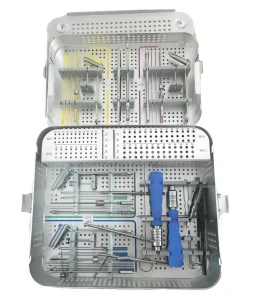
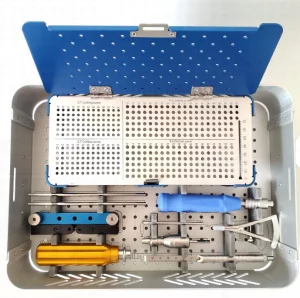
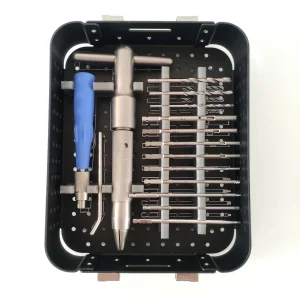
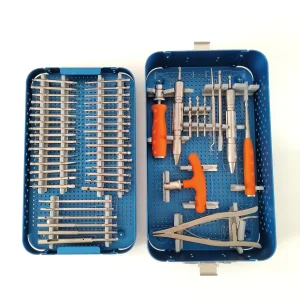
Advanced diagnostic and operative instrumentation engineered to withstand heavy-duty sterilization protocols in Victoria's primary healthcare centers.
Melbourne is globally recognized as one of the premier hubs for clinical medicine, home to world-class facilities in the Parkville Biomedical Precinct, the Alfred Health Network, and the Monash Health system. As healthcare infrastructure continues to expand across Victoria, there is a distinct surge in clinical operations calling for surgical instrumentation that offers absolute mechanical reliability and strict regulatory compliance.
The demand curves for orthopedic and general surgical devices have shifted. Operating theaters are increasingly moving toward high-efficiency, multi-use instrumentation systems that lower procedural times and minimize recovery periods. In parallel, Victoria’s veterinary sector—driven by advanced veterinary specialty hospitals in suburbs like Werribee, Blackburn, and Moorabbin—now demands animal care instrumentation matching the exact precision of human-grade orthopedic kits.
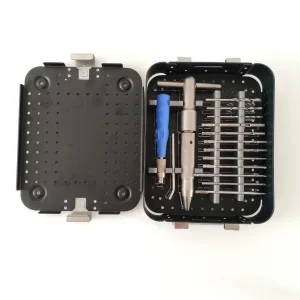
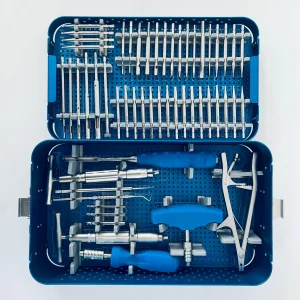
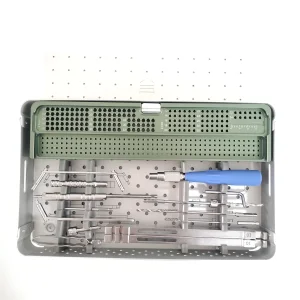
Local procurement departments in Melbourne prioritize sourcing from suppliers capable of maintaining high inventory availability, offering fast lead times, and proving traceability. Whether it is cannulated screw fixation assemblies, flexible reamer setups, or complex veterinary osteosynthesis locking systems, products must withstand high-temperature autoclaving and mechanical fatigue over extended clinical lifecycles.
Surgical instruments are manufactured using implant-grade stainless steel (ASTM F138 / ISO 5832-1) and high-tensile titanium alloys (Ti-6Al-4V ELI) to guarantee corrosion resistance and superior mechanical strength during high-torque bone procedures.
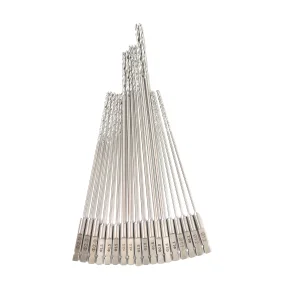
Precision machining with tolerance limits under ±5 microns ensures that drills, screw taps, guide wires, and screwdrivers mate seamlessly with implants and plate slots.
Providing comprehensive regulatory file support, helping Melbourne distributors and healthcare systems streamline local registration protocols.
Evaluating raw material access, technological shifts, and the critical role of specialized manufacturers in meeting clinical benchmarks.
Modern clinical practices demand cross-compatibility. OEM factories align production styles with the AO Foundation standards, assuring that orthopedic drill bits, drivers, and screw threads are compatible globally.
Regulatory scrutiny has tightened worldwide. Facilities must operate within cleanroom standards ISO Class 7/8, maintaining documented component validation protocols and batch number tracing for all materials.
Advanced processing methods such as Vacuum Induction Melting (VIM) and Electroslag Remelting (ESR) are applied to tool steel. This significantly reduces microscopic inclusions, boosting durability under torque stress.
Shenzhen HUL Healthcare Technology Co., Ltd. (operating Bopull Medical) runs a highly integrated orthopedic and surgical production infrastructure. With a modern workforce numbering between 301 to 500 engineering professionals, the factory provides high-precision manufacturing processes tailored to meet the technical expectations of Melbourne medical distributors, research facilities, and hospital purchasers.
Operating strictly under international laws, regulations, and standardized management frameworks, we have achieved the prestigious GB/T42061-2022 idt ISO13485:2016 Quality Management System International Certification. This certification underpins our entire operation—from design verification and mechanical engineering to final clinical-grade sterilization and logistics documentation.
By leveraging advanced machinery, a young and innovative technical core, and robust quality control systems, HUL Healthcare bridges the gap between cost-effective Chinese manufacturing scale and strict Western medical regulatory compliance.
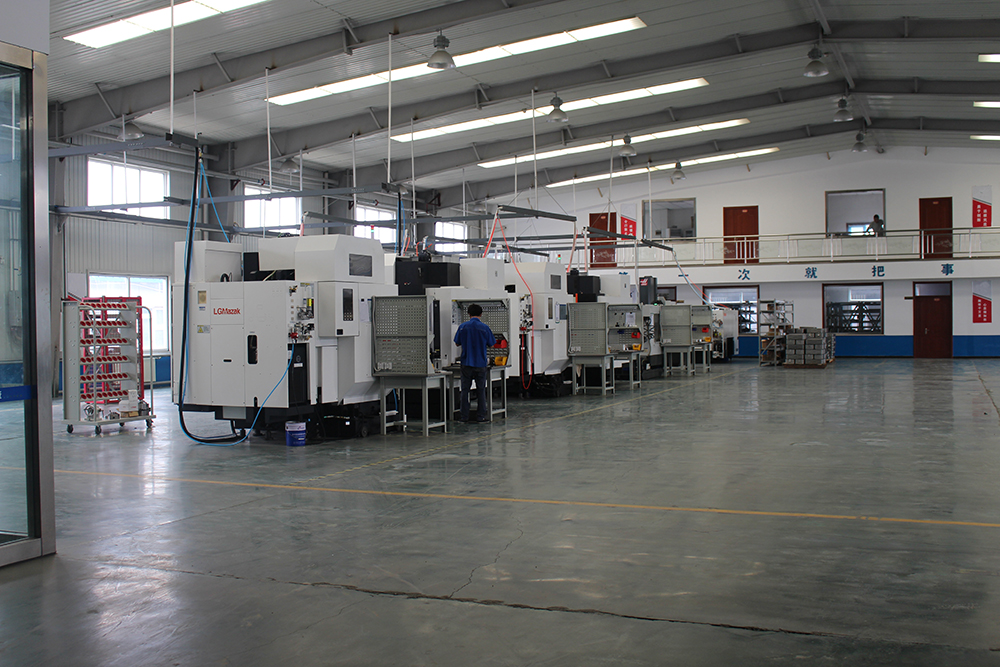
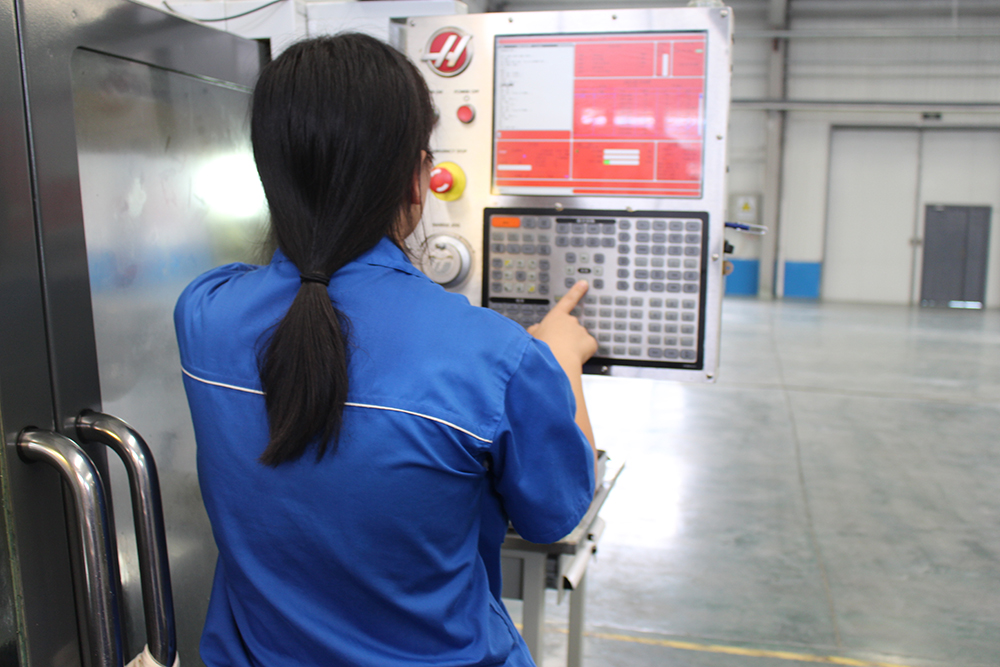
From complex orthopedic human reconstructive surgeries to advanced small animal veterinary care, our products deliver consistent tactile feedback and precision.
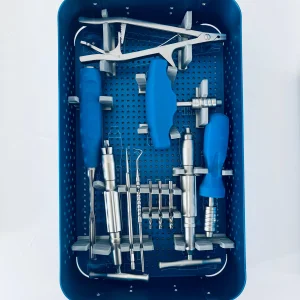
In fast-paced trauma environments, surgeon efficiency is crucial. Our stainless steel screw extraction tools and cannulated fixation instruments allow surgical teams to address complex joint and long-bone fractures without mechanical delay.
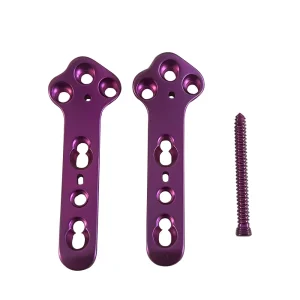
Pet orthopedics, including TPLO (Tibial Plateau Leveling Osteotomy) and ALPS system integrations, demand specialized micro-sized screws and locking plates. Our veterinary series serves specialized feline and canine surgical programs across Melbourne.
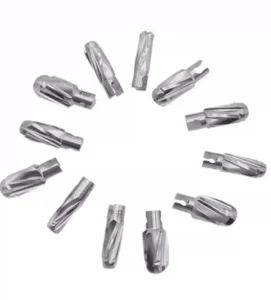
Collaborating with Melbourne-based research labs and biomechanical engineers by offering customizable drill bits, customized reamer assemblies, and milling cutters optimized for mechanical assessment trials.
The medical manufacturing sector is currently experiencing a technological revolution. Handheld tools are shifting from generic shapes toward smart, ergonomic designs that reduce hand fatigue during long operations. Furthermore, surface treatment technologies have improved. Physical Vapor Deposition (PVD) coatings and anodization techniques protect tools from chemical corrosion caused by aggressive sterilization solutions.
In the veterinary and pediatric spaces, there is a push toward ultra-thin profile plates and micro-instrumentation. TPLO surgery, locking screw designs, and hybrid stabilization demand specialized materials that support bone growth while maintaining mechanical strength.
HUL Healthcare remains at the forefront of these transitions. By continuously researching surgical processes and raw material behaviors, we supply Melbourne healthcare institutions with advanced titanium bone plates, high-efficiency carbide drills, and dependable broken screw extractors.
Our standard specifications are designed for high durability and performance in busy surgical centers:
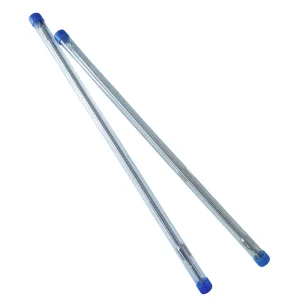
Explore our highly specialized selection of screw removal setups, medical screwdrivers, precision bone drill bits, and customizable osteosynthesis plating solutions.
How our factory maintains high levels of consistency across large manufacturing volumes.
Every instrument goes through electrochemical passivation to construct a chromium oxide-rich layer on the metal surface. This process prevents rust and oxidation during repeat steam sterilization procedures.
Our drill guides, locking drills, and custom taps are subjected to 100% mechanical checkouts. This step ensures that screw alignments stay true, preventing osteosynthesis screw jamming or threads stripping during insertion.
Laser marking applies unique production lot codes to every bone plate and instrument handle. This tracking mechanism simplifies inventory organization and aligns with Melbourne healthcare quality standards.
Key information regarding international logistics, customization services, regulatory credentials, and technical parameters for Melbourne hospital administrators and suppliers.
Yes, our manufacturing systems are certified under GB/T42061-2022 idt ISO13485:2016, which is the global standard for medical device quality management systems. Our orthopedic implants and instruments carry CE certifications, and we supply full regulatory dossiers to help Melbourne distributors register products with the Therapeutic Goods Administration (TGA).
Standard inventory items ship within 7–14 business days. For customized OEM surgical tools or large-scale wholesale consignments, manufacturing lead times range from 30 to 45 days. We offer air cargo delivery directly to Melbourne Airport (MEL) or sea freight via Port of Melbourne to accommodate varied logistics requirements.
We provide full OEM and ODM services. Utilizing our modern CNC milling machinery and wire-cut electrical discharge machining (EDM), our engineering team can manufacture bone drill bits, specialty screw extractors, and custom anatomical locking plates to your precise specifications.
Our veterinary orthopedic bone plates (such as the ALPS and TPLO ranges) are manufactured from biocompatible medical-grade titanium alloy (Ti-6Al-4V ELI / ASTM F136). The accompanying surgical instruments and extraction tools are constructed from high-tensile martensitic stainless steel (such as 420 or 316LVM), ensuring maximum durability.
Every step of production is carefully monitored. We conduct coordinate measuring machine (CMM) testing to verify geometry, hardness testing (HRC), corrosion testing, and mechanical fatigue testing. Our 34% reorder rate highlights the reliable quality we deliver to our global clinical partners.
 HUL Healthcare Limited