Premium orthopedic solutions specifically tailored for clinical trauma centers and reconstructive surgeries in the Turkish healthcare sector.
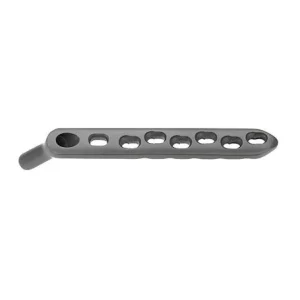
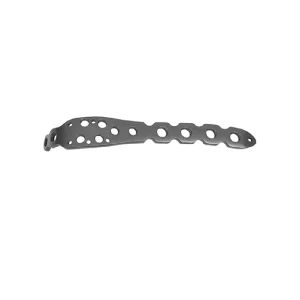
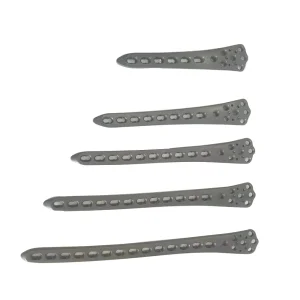
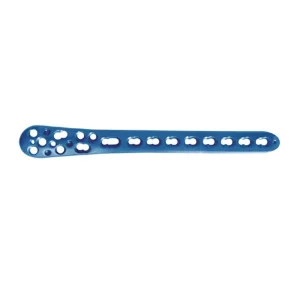
The medical device industry in the Republic of Turkey has witnessed a massive evolutionary leap over the past decade. Driven by the strategic healthcare reforms initiated under the Health Transformation Program (HTP) and a significant rise in domestic healthcare infrastructure, Turkey has emerged as both a major clinical consumer and a crucial logistics hub for medical devices. For global procurement specialists, public hospital purchasing departments (SGK/SUT systems), and private hospital chains like Acıbadem, Memorial, and Medical Park, navigating the selection of premium trauma suppliers requires a deep understanding of local regulations, clinical demands, and material integrity.
Key Insight: The Turkish medical device market is highly regulated, requiring alignment with the Product Tracking System (ÜTS) managed by the Turkish Medicines and Medical Devices Agency (TİTCK). Procurement success relies on finding a supplier that offers not just CE-marked products, but robust clinical documentation, material traceability, and prompt regulatory support.
Turkey’s geographic position bridging Europe, the Middle East, and Central Asia makes it a crucial market. The country has a double-faceted demand pattern: domestic clinical needs and a fast-growing medical tourism sector. Turkey is currently one of the top ten global destinations for medical tourism, particularly for complex orthopedic interventions, spinal fusion, joint reconstructions, and sports medicine therapies. Consequently, local surgeons demand surgical implants and trauma hardware that match or exceed Western European standards.
Historically, the Turkish market has relied heavily on imported orthopedic products. However, the domestic industry is actively shifting toward localization. The state incentivizes domestic manufacturing and technological joint ventures. For international suppliers, this translates to providing highly customizable OEM services, flexible branding, and strict adherence to local tender requirements. To stay competitive, orthopedic hardware must feature modern surface treatments, bio-compatible alloys (Ti6Al4V ELI conforming to ASTM F136), and precision-engineered locking mechanisms.
For B2B buyers looking to import trauma plates, spinal systems, and surgical tools into Turkey, the procurement pipeline involves distinct technical benchmarks:
Why clinical providers and distributors in Istanbul, Ankara, and Izmir partner with us for their trauma and orthopedic hardware requirements.
Aligned with the latest EU MDR (2017/745) requirements and certified under ISO 13485:2016 to facilitate rapid registration in the Turkish ÜTS database.
Rapid response times under 3 hours, combined with streamlined shipping channels to ensure delivery directly to major Turkish distribution hubs.
Providing specialized engineering, custom instrument configurations, and custom sizes tailored for specific clinical protocols in Turkey.
Entering the Turkish clinical market requires meticulous regulatory preparation. The regulatory body, TİTCK, enforces strict alignment with the European Union's Medical Device Regulation (MDR 2017/745). All implants and Class I/II/III devices must be registered in the central ÜTS (Ürün Takip Sistemi) system. The ÜTS tracks every single medical device from production/importation to its ultimate implantation in a patient. Without a clean, verifiable ÜTS registration, products cannot clear customs, nor can hospitals receive reimbursement from the Social Security Institution (SGK).
As a global trauma supplier, we provide our Turkish distribution partners with a comprehensive regulatory dossier packet:
The orthopedic trauma industry is undergoing rapid technical evolution. Modern trauma devices are shifting from passive stabilization implants to dynamic, biologically interactive systems. Key trajectories that are defining the future of trauma supplies in the Turkish market include:
Partner with an industry leader backed by rigorous ISO certifications, high-precision engineering systems, and reliable supply chain operations.
Bopull Medical (Shenzhen HUL Healthcare Technology Co., Ltd.) operates under strict alignment with international regulatory standards. We have successfully obtained the GB/T42061-2022 idt ISO13485:2016 quality management system certification. Our operations are structured around clinical reliability, precision engineering, and proactive technical support.
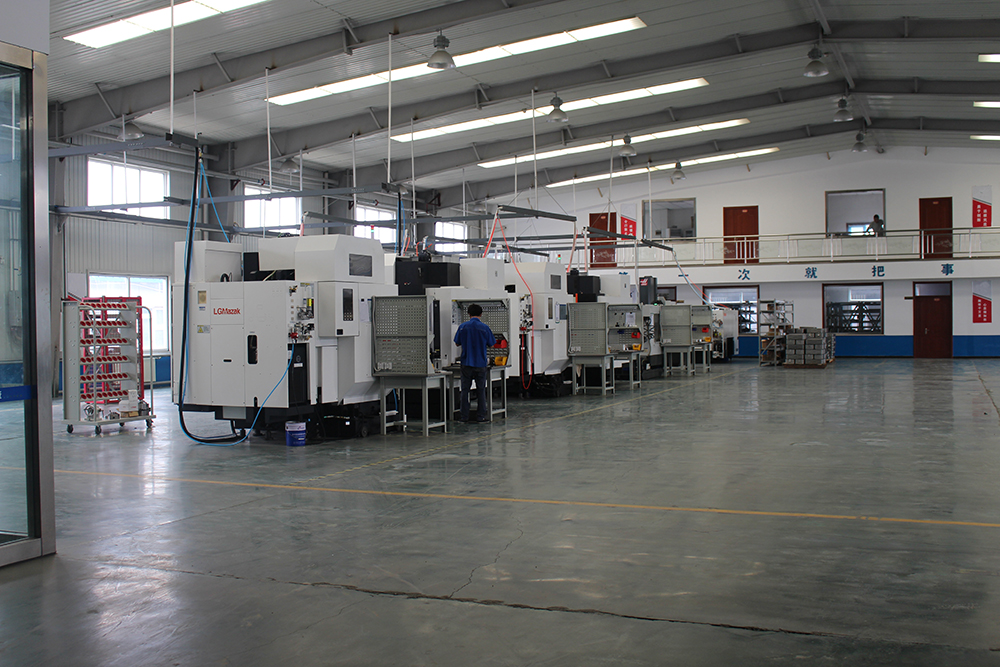
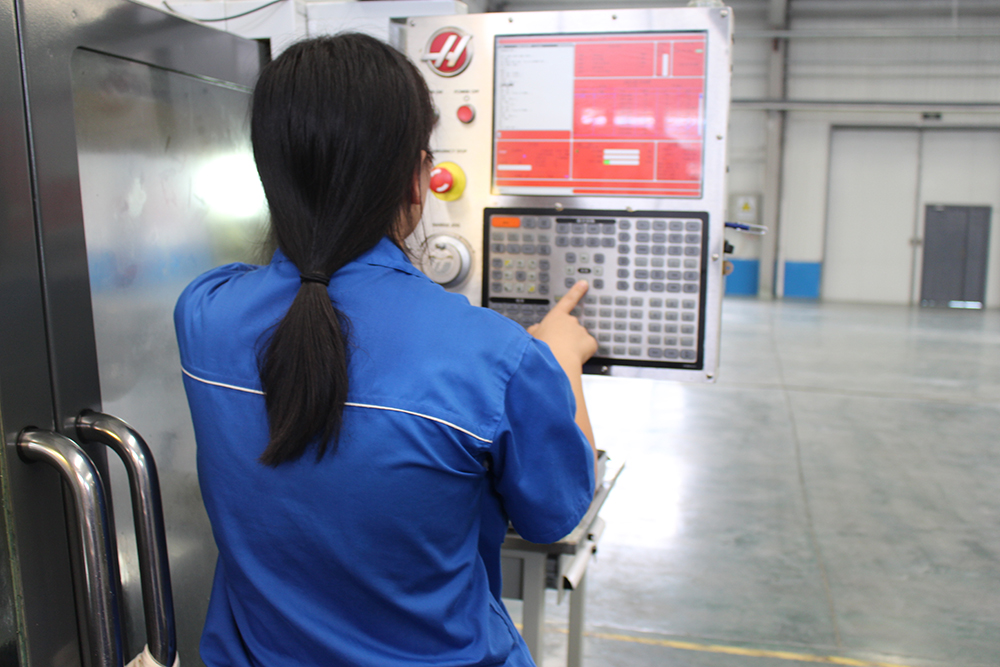
By investing in modern, high-precision CNC machinery and class-10,000 cleanrooms, Bopull Medical maintains control over the entire production cycle—from raw titanium bars to sterile-packaged orthopedic plates and surgical instrument kits. Our young, highly innovative engineering team works closely with clinical advisors to continuously optimize products, ensuring they exceed customer and surgeon expectations.
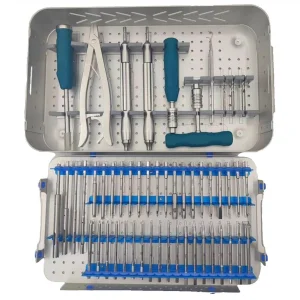
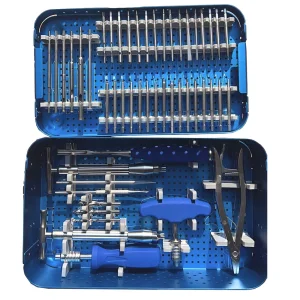
Premium revision kits, spinal fusion assemblies, and specialized arthroscopic instrumentation for Turkish clinical environments.
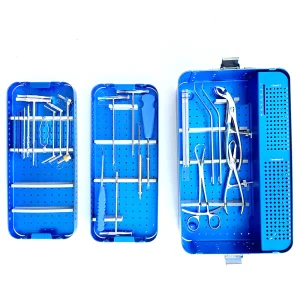
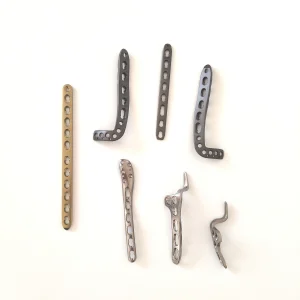
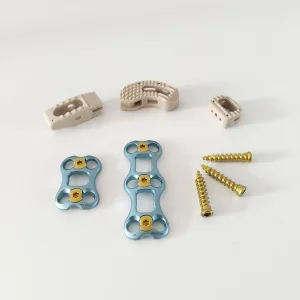
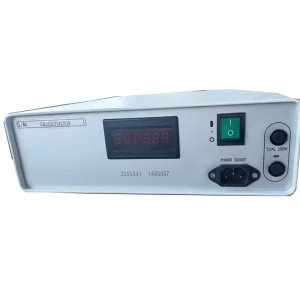
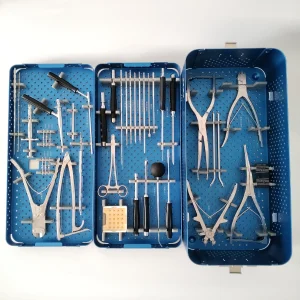
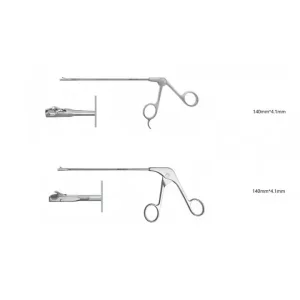
Detailed answers to the key questions asked by Turkish medical device distributors, purchasing managers, and regulatory consultants.
 HUL Healthcare Limited